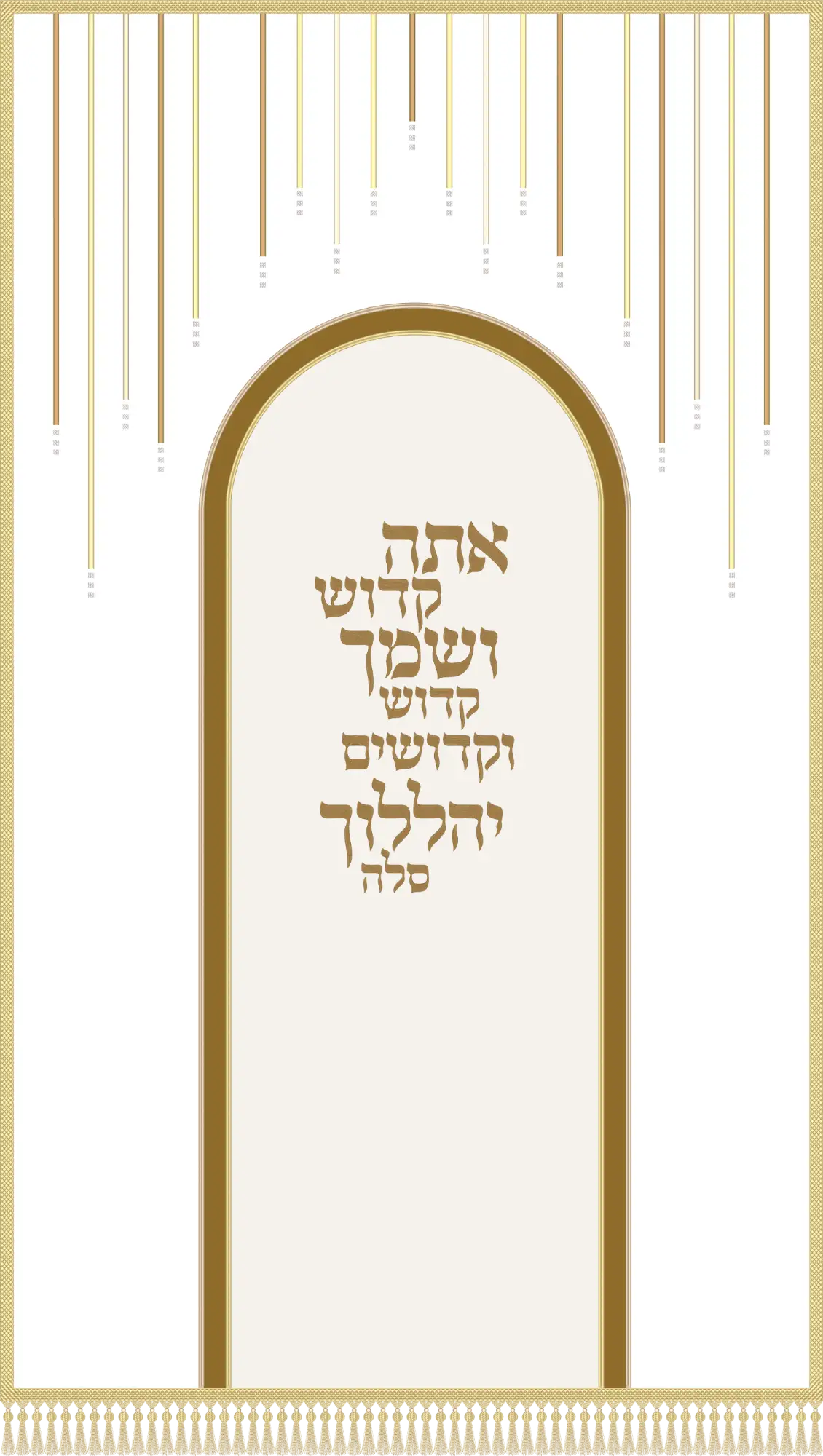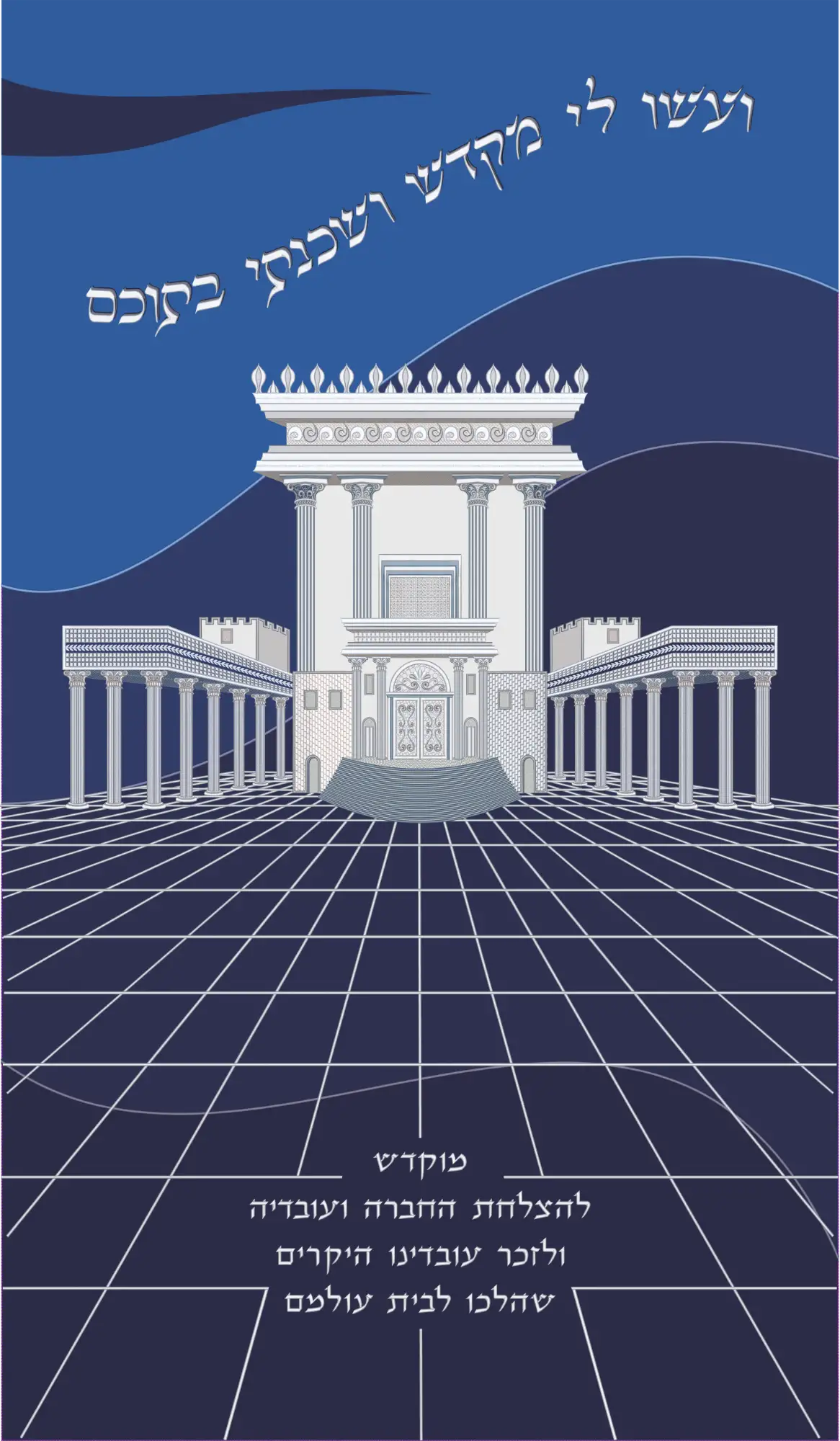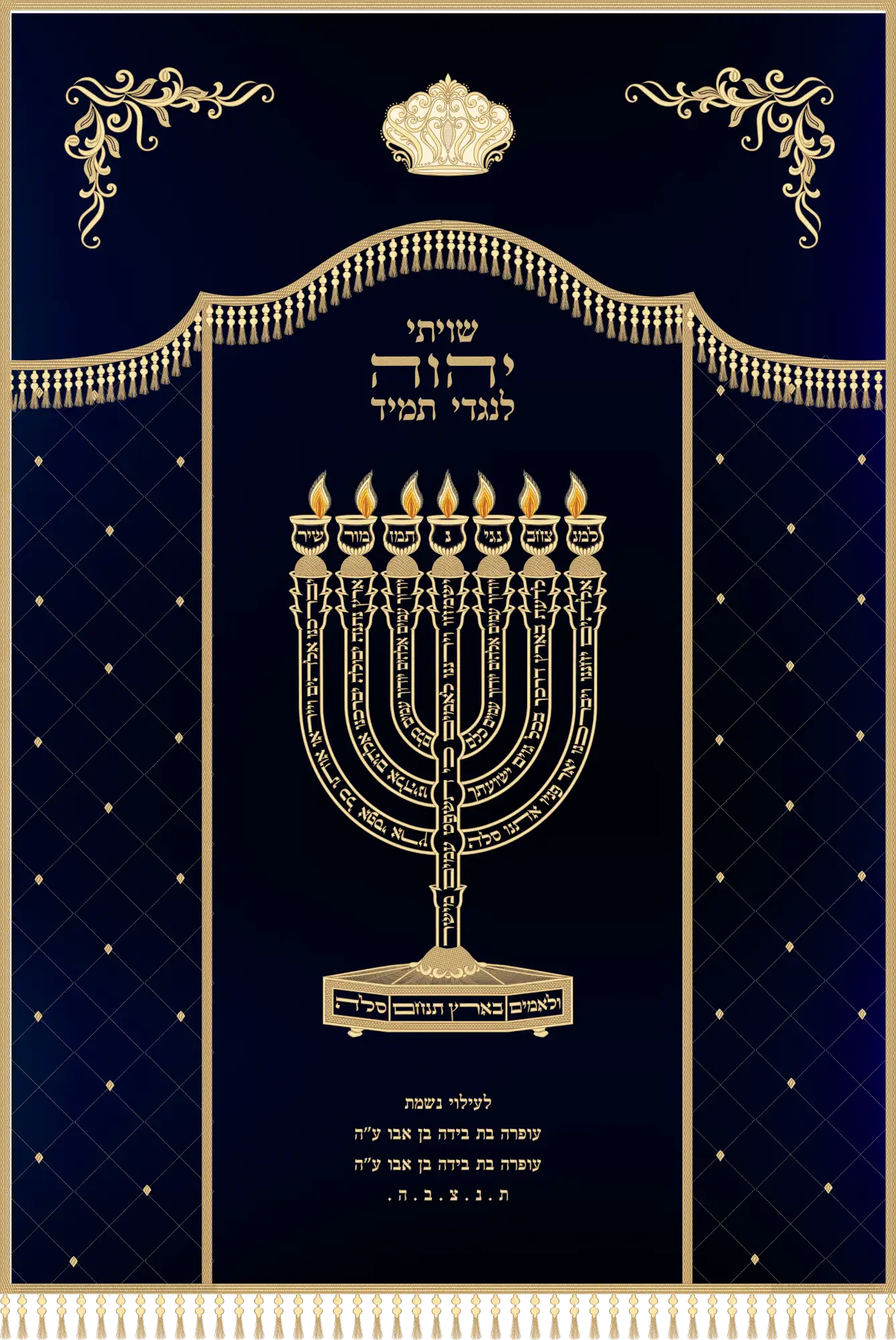

A מעיל לספר תורה is the fabric mantle that covers and protects a Torah scroll when it is not being read, and for centuries it has stood as a quiet sign of honor, reverence, and communal pride. Far more than simple protective cloth, the mantle turns the scroll into a dressed, dignified presence at the heart of the synagogue. Understanding its history and symbolism helps explain why so many communities put such care, artistry, and love into a single garment made for their Sifrei Torah.
In Brief
- A מעיל לספר תורה is the mantle or cover placed over a Sefer Torah to protect its parchment and to honor its sanctity.
- Ashkenazi communities traditionally use a soft fabric mantle, while many Sephardic and Mizrahi communities dress the scroll in a rigid decorative case known as a tik.
- Communities often change the mantle for holidays, using white for the Days of Awe and richer colors or embroidery for festivals and joyous occasions.
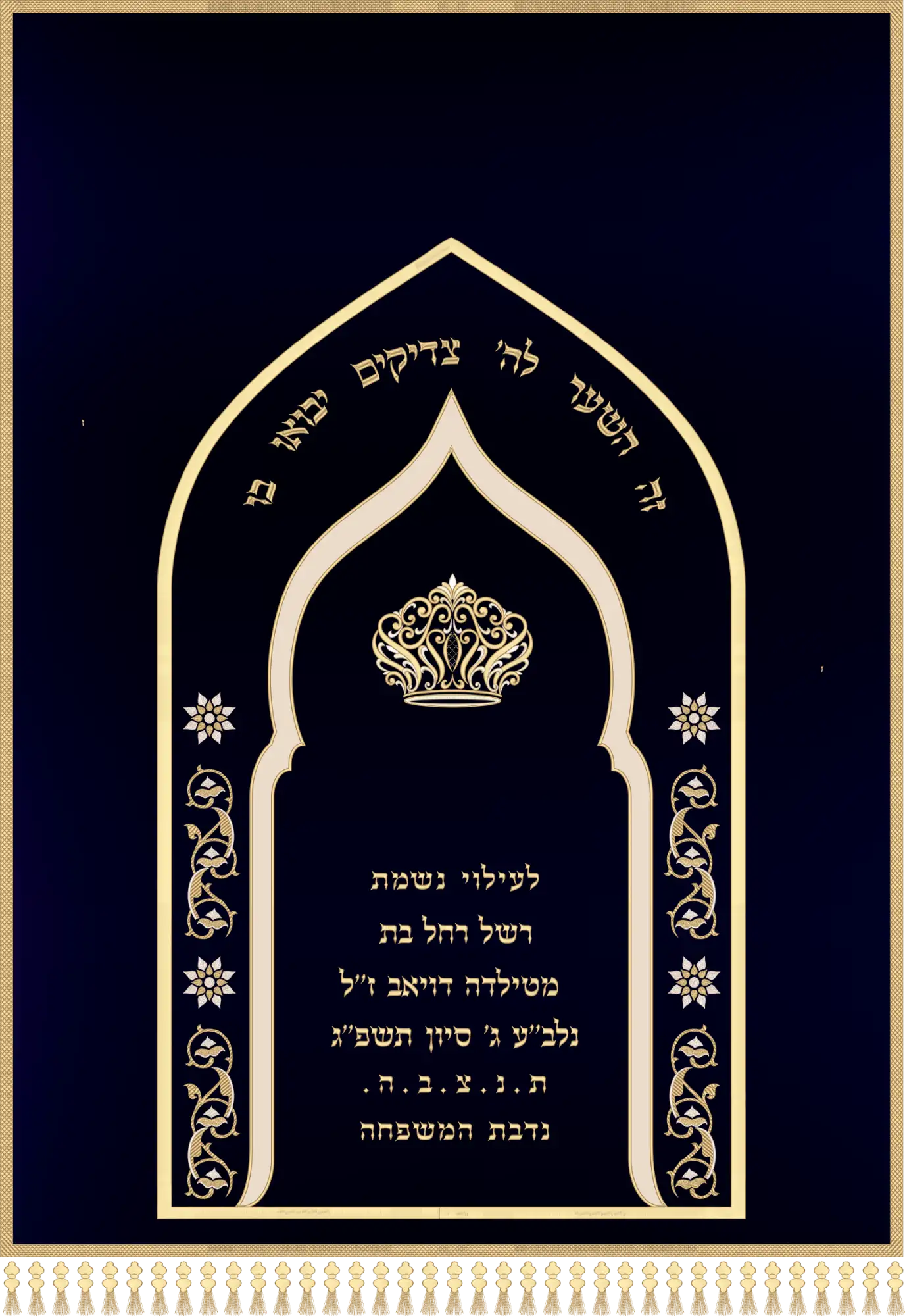
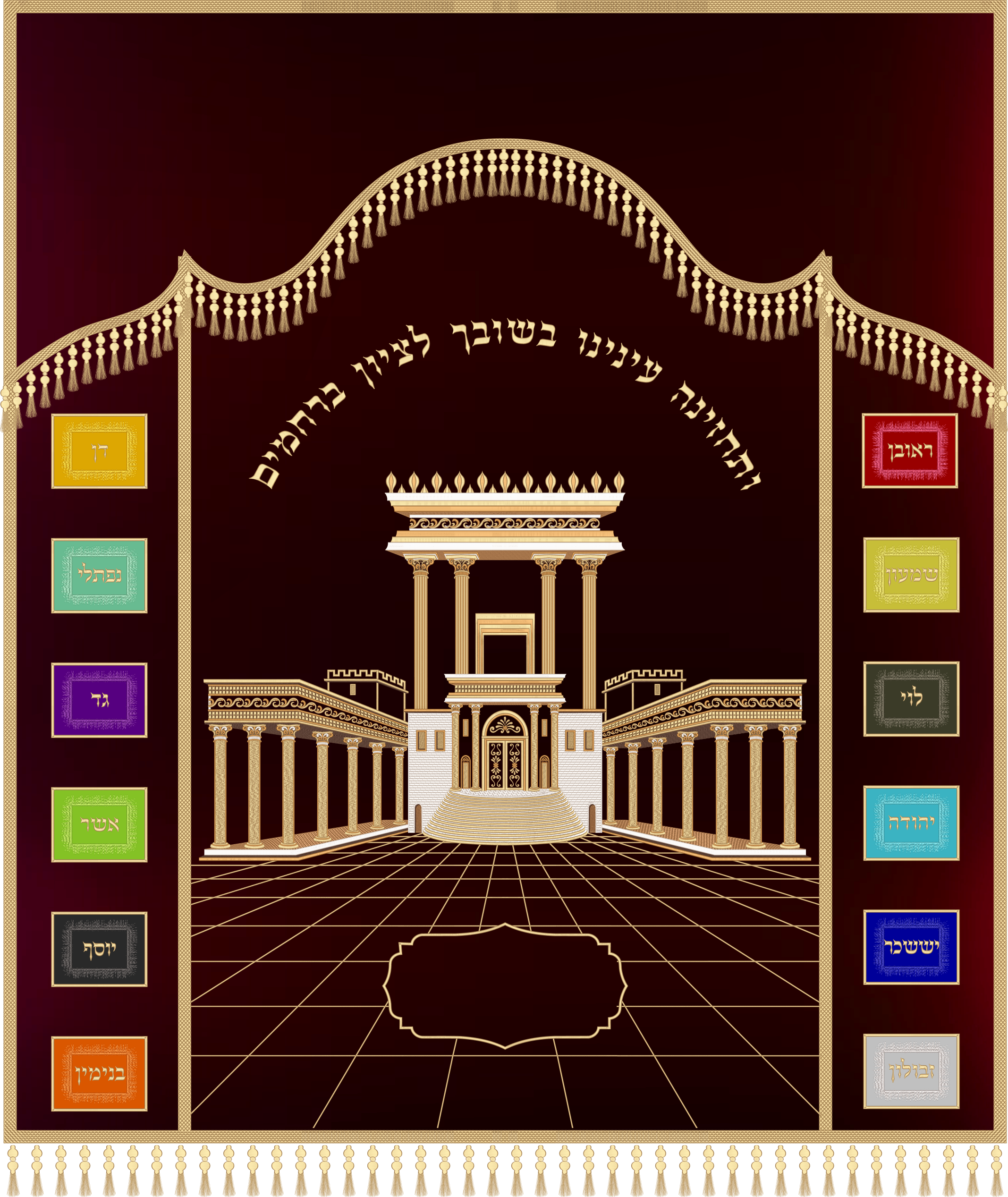
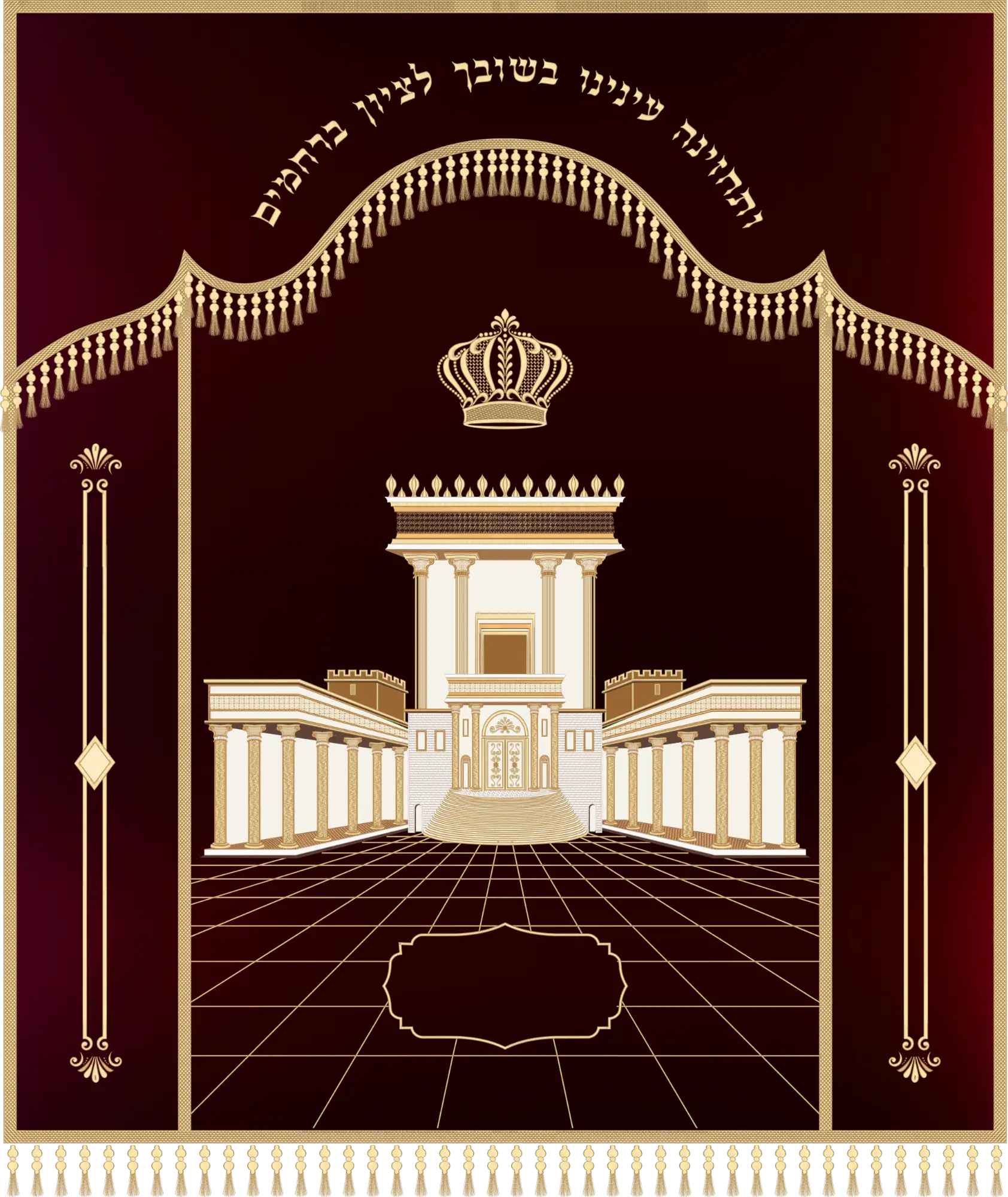
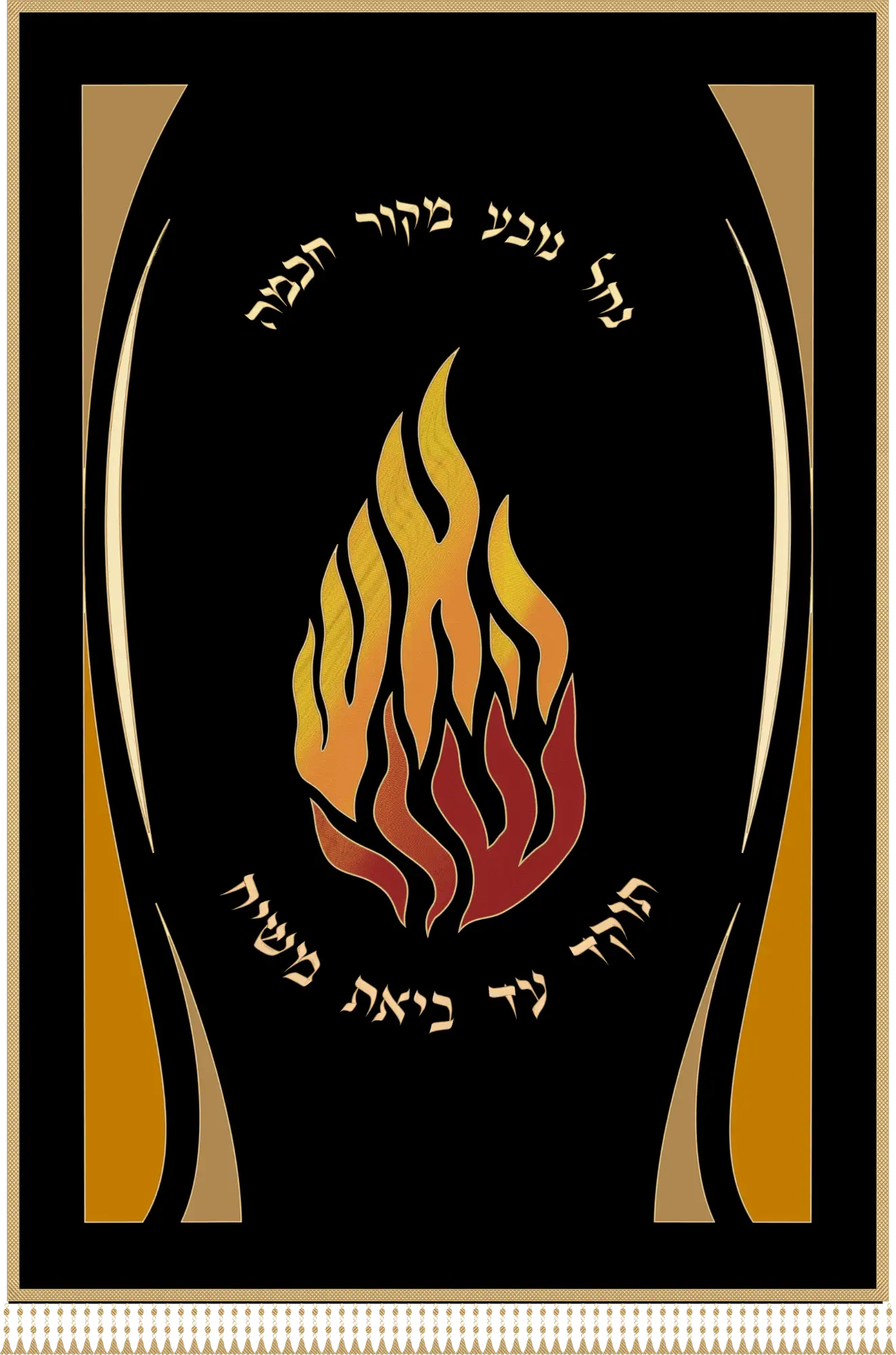
- A hand-embroidered mantle can be commissioned to echo a synagogue's parochet, creating one unified, dignified look around the ark.
What Is a מעיל לספר תורה, and Why Does It Matter?
A מעיל לספר תורה is the sleeve-like fabric cover that slides over the wooden rollers (atzei chaim) of a Sefer Torah, closing at the top and gathered at the waist with a sash or belt. Its first purpose is practical: shielding the parchment from dust, handling, and light. Its deeper purpose is one of honor. Just as a person dresses respectfully for an important occasion, the Torah scroll is symbolically "dressed" before it is brought out, carried, and read in front of the congregation. Over generations, this simple act of covering grew into a rich craft tradition, with communities choosing fine fabrics, embroidered crowns, and meaningful inscriptions to reflect the weight of what the mantle holds.
The Symbolism Behind Covering the Torah
Dressing the Torah scroll is generally understood as an expression of kavod, or honor, toward the holiest object in Jewish communal life. Many communities describe the mantle, sash, crown, and breastplate together as echoing the priestly garments described in the Torah itself, worn by the Kohen Gadol in the Temple service. This broader custom of ornamenting and covering the scroll is discussed in general terms on reference sources such as the Wikipedia entry on the Sefer Torah, which traces how these coverings developed across different Jewish communities over the centuries.
Ashkenazi and Sephardic Traditions: Two Ways of Dressing the Torah
The מעיל לספר תורה worn by an Ashkenazi scroll looks quite different from the covering used by many Sephardic and Mizrahi communities, though both serve the same underlying purpose of protection and honor. These differences often echo the broader design language seen in ark curtains from the same tradition, such as a Moroccan-style ark gate parochet, which shares motifs with the ornate cases found in North African and Middle Eastern communities.
| Tradition | Typical Covering | Common Features |
|---|---|---|
| Ashkenazi | Soft fabric mantle | Velvet or silk, embroidered crown or Tablets, cinched with a sash |
| Sephardic / Mizrahi | Rigid case (tik) | Wood or metal frame covered in fabric or metal plating, scroll stands upright |
| Yemenite | Cloth wrapping with structural elements | Blends soft textile with a supportive inner frame |
Changing the Mantle for Holidays and Special Occasions
Many congregations change the מעיל לספר תורה together with the ark's parochet at set points in the year, dressing the scroll in white for the Days of Awe and in richer, more festive colors and embroidery for Sukkot, Simchat Torah, and other celebrations. This custom of "dressing the season" often extends to the whole ark, as seen in pieces like a holiday gate parochet, with many synagogues coordinating both textiles so the ark tells one visual story throughout the year. General background on Jewish holiday customs and their symbols can be found through resources like My Jewish Learning.
Choosing a Meaningful Torah Mantle for a Synagogue or Simcha
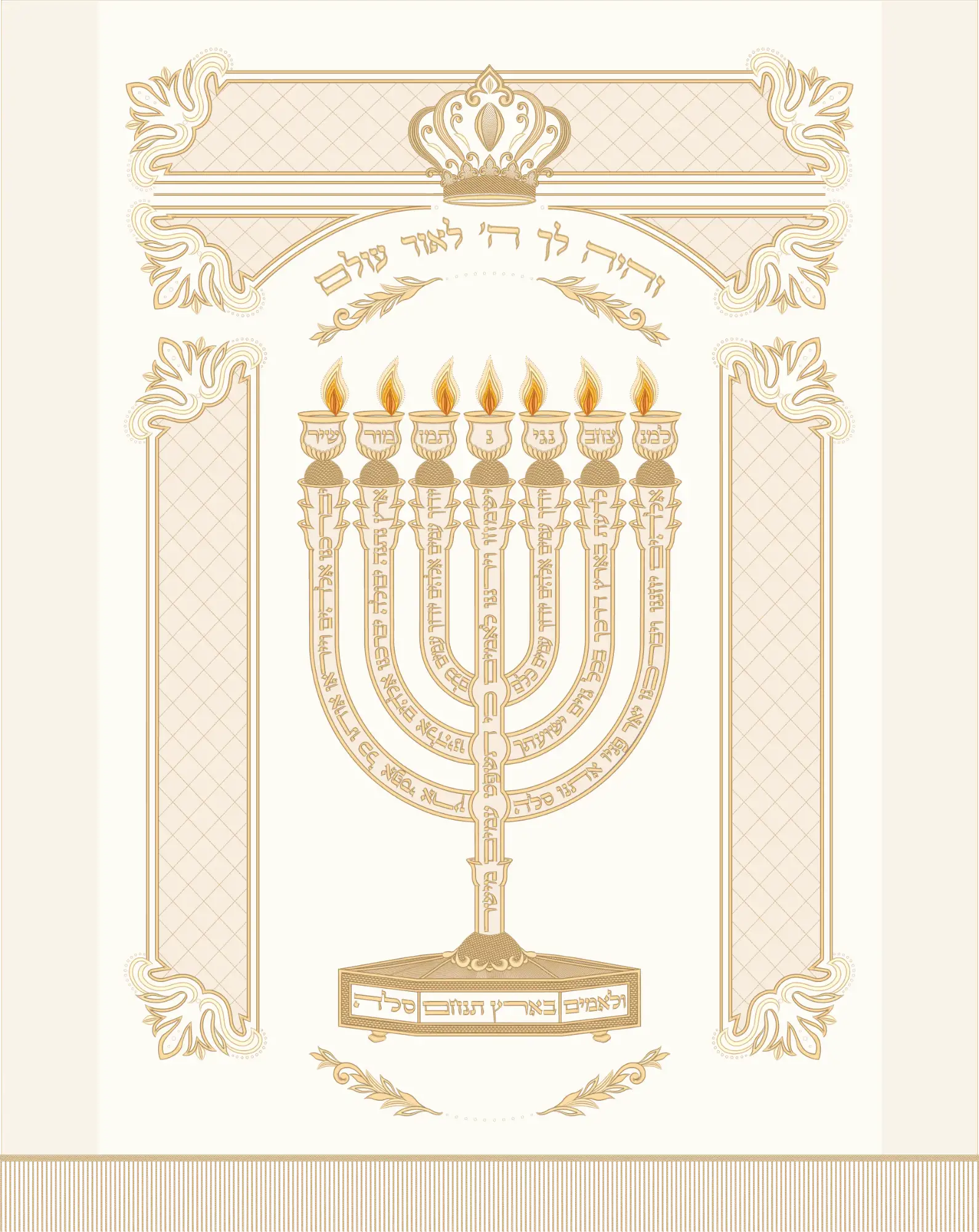
Choosing a mantle is often a meaningful act of dedication, whether to honor a family member, mark a simcha, or complete a set of Judaica for a new ark. At Hichala (היכלא), the same hand-embroidery techniques used for parochot such as a crowned parochet can be adapted to complement a Torah mantle, creating a unified look throughout the sanctuary. Browse our gallery of parochot for inspiration on colors, motifs, and embroidery styles that can be echoed in a matching mantle. A few practical points worth considering:
- Fabric: velvet and silk are common choices, offering durability alongside a rich appearance.
- Embroidery: motifs such as the Tablets of the Covenant, a crown, or lions are traditional choices with deep symbolism.
- Fit: the mantle should be measured against the scroll's height and roller width for a proper, dignified fit.
- Occasion: many mantles are commissioned as a dedication gift in memory of a loved one or to mark a family milestone.
Frequently Asked Questions
What is the difference between a Torah mantle and a tik?
A Torah mantle is a soft fabric cover used mainly in Ashkenazi communities, while a tik is a rigid case common among Sephardic and Mizrahi communities; both protect the scroll and express honor for it.
How often is the Torah's mantle changed?
Many congregations change the mantle for the High Holidays, major festivals, and other special occasions, often coordinating it with the ark's parochet for a unified appearance.
Can a Torah mantle be commissioned as a dedication gift?
Yes, a hand-embroidered mantle is a popular way to dedicate a gift to a synagogue, whether in memory of a loved one or to mark a family milestone.
From its practical origins as a protective cover to its role as a carrier of deep symbolism, a מעיל לספר תורה remains one of the most personal and meaningful pieces of synagogue Judaica a community can commission, connecting everyday care for the scroll with generations of honor and tradition.