
A ספריית קודש (sifriyat kodesh), or sacred library, is a dedicated collection of holy Jewish books — Chumash, Mishnah, Talmud, and works of halacha and Jewish thought — set apart and treated with special reverence in a home or synagogue. Its purpose is to keep sacred texts within easy reach for daily study while honoring the sanctity of every page they contain. Whether it fills a single shelf or an entire room, a ספריית קודש reflects how deeply Jewish tradition values Torah learning and the written word.
In Brief
- A ספריית קודש is a collection of sacred Jewish books set aside for study and treated with special care.
- Common categories include Tanakh, Mishnah, Talmud, halacha, and machshava (Jewish thought).
- Sefarim are traditionally arranged with Torah-related texts given the most honored, accessible placement.
- Pairing thoughtful organization with handcrafted details, such as fine woodwork or embroidered textiles, reflects the long-standing custom of hiddur mitzvah — beautifying sacred items.
What Is a ספריית קודש?
A ספריית קודש is more than a bookshelf — it is a designated space that treats holy books as objects worthy of honor, not merely as reference material. In synagogues, this often takes the form of a communal collection available to the whole congregation, placed near the Aron Kodesh or study hall. In private homes, it may be a single bookcase in a study, living room, or hallway, built up gradually as a family collects siddurim, chumashim, and other volumes over the years. In both settings, the underlying idea is the same: sacred texts deserve a setting that reflects their importance.
Why Every Jewish Home Can Benefit from a ספריית קודש
A home ספריית קודש makes Torah study a natural, everyday part of family life rather than something reserved for the synagogue. Having a Chumash or Tehillim within arm's reach encourages spontaneous learning, quick lookups during a discussion, and a visible reminder of what the household values. Many families also find that a well-kept sacred library becomes a meaningful inheritance, with inscribed volumes passed from one generation to the next.
How to Organize Your ספריית קודש
Organizing a sacred library well makes it both easier to use and more respectful of the books it holds. A simple, traditional approach follows a general order of holiness and frequency of use:
- Group texts by category — Tanakh, Mishnah, Talmud, halacha, and machshava — rather than mixing them with general reading material.
- Give Torah-related texts, such as Chumashim and sets of Mishnah or Talmud, the most prominent and accessible shelves.
- Avoid placing non-sacred books or everyday items directly on top of sifrei kodesh.
- Keep siddurim and machzorim at eye level or within easy reach, since they are used most often.
- Leave a little room for growth, since most sacred libraries expand steadily over time.
| Category | Example Works | Typical Shelf Placement |
|---|---|---|
| Torah & Chumash | Chumash, Tanakh | Top shelf, most honored position |
| Mishnah & Talmud | Mishnayot, Gemara volumes | Upper-middle shelf |
| Halacha | Shulchan Aruch, Mishnah Berurah | Middle shelf |
| Machshava & Chassidut | Tanya, Mesillat Yesharim | Lower-middle shelf |
| Siddurim & Machzorim | Daily siddur, holiday machzor | Eye level, for daily use |
Hiddur Mitzvah: Honoring the ספריית קודש Through Beauty
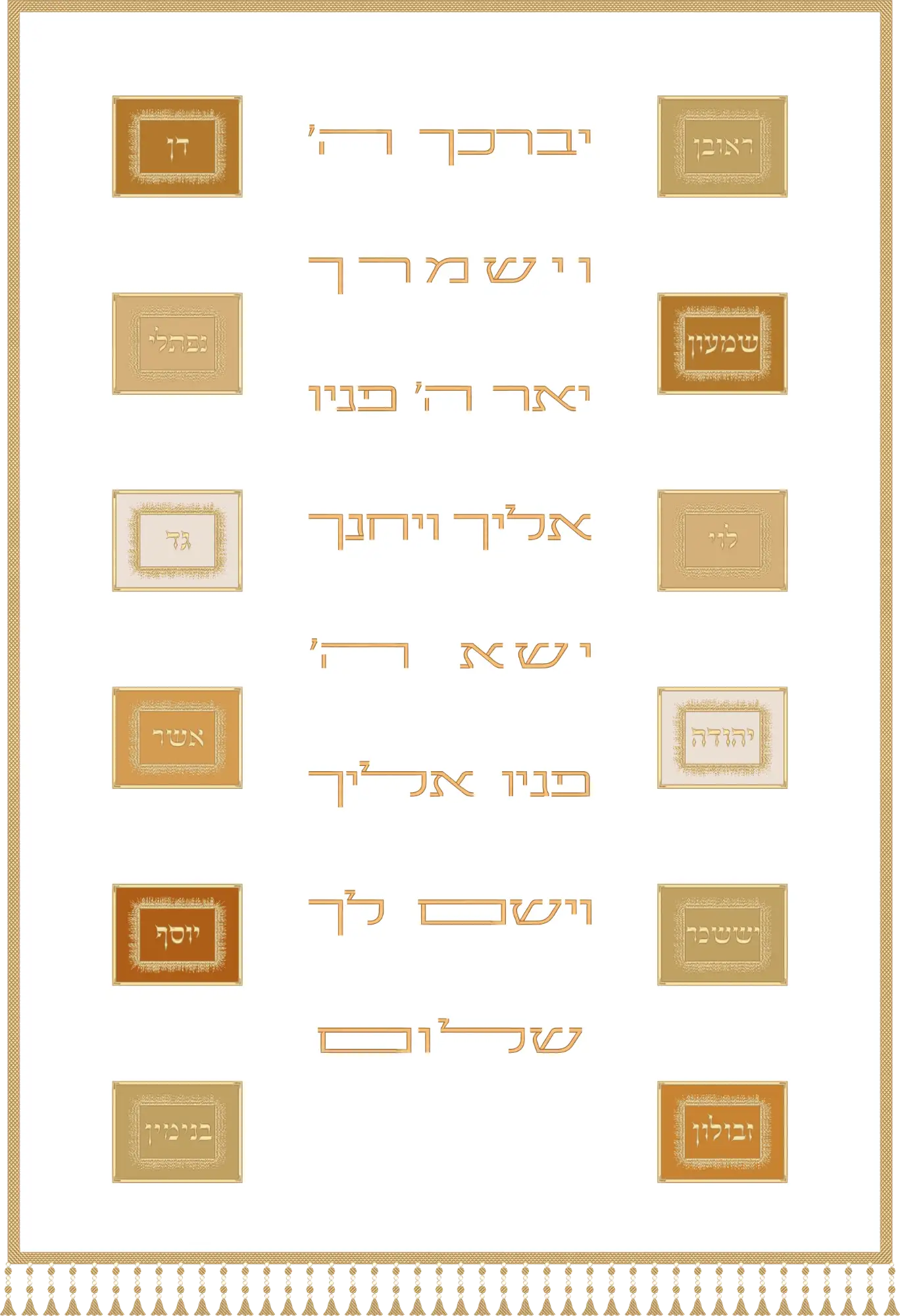
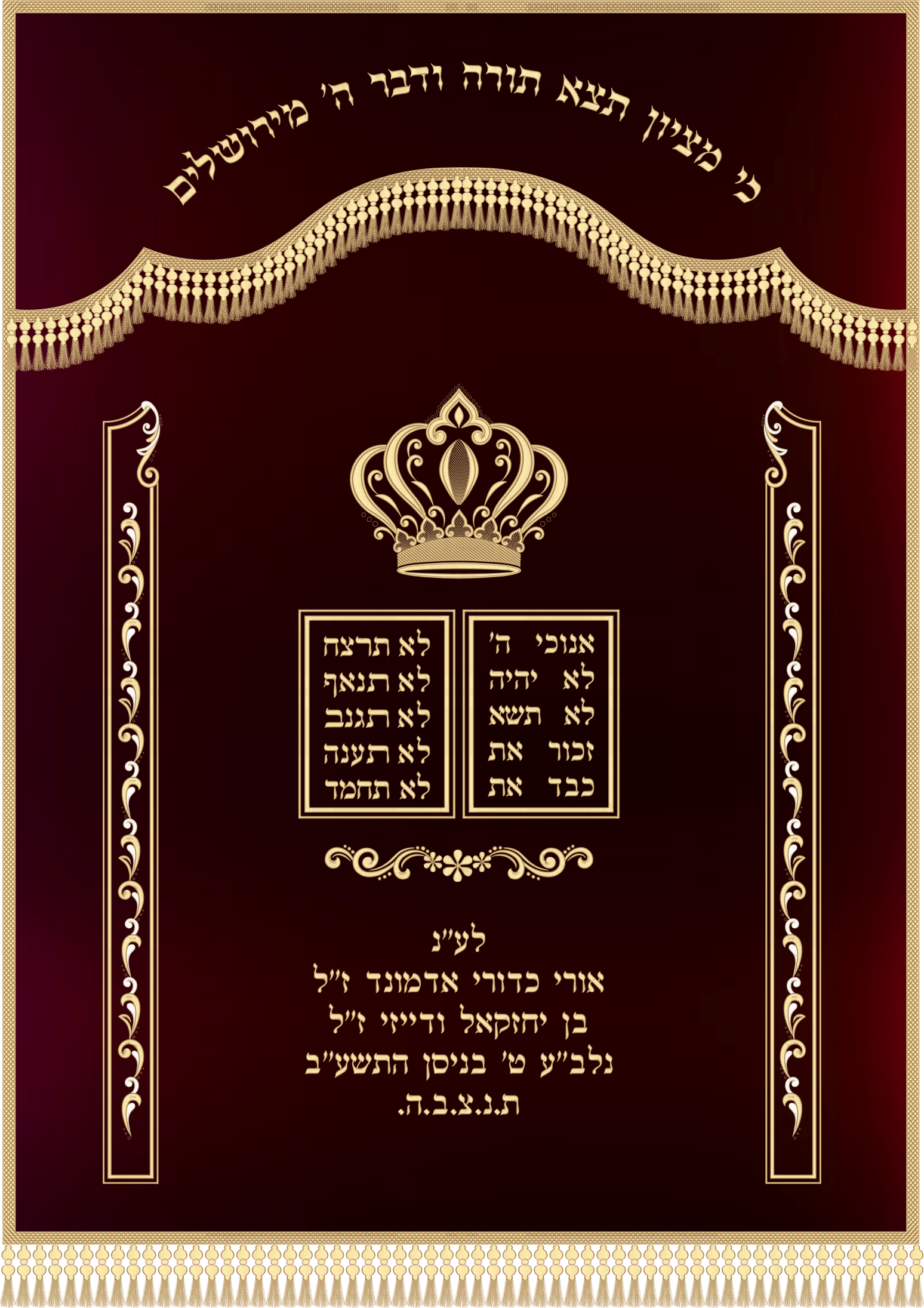
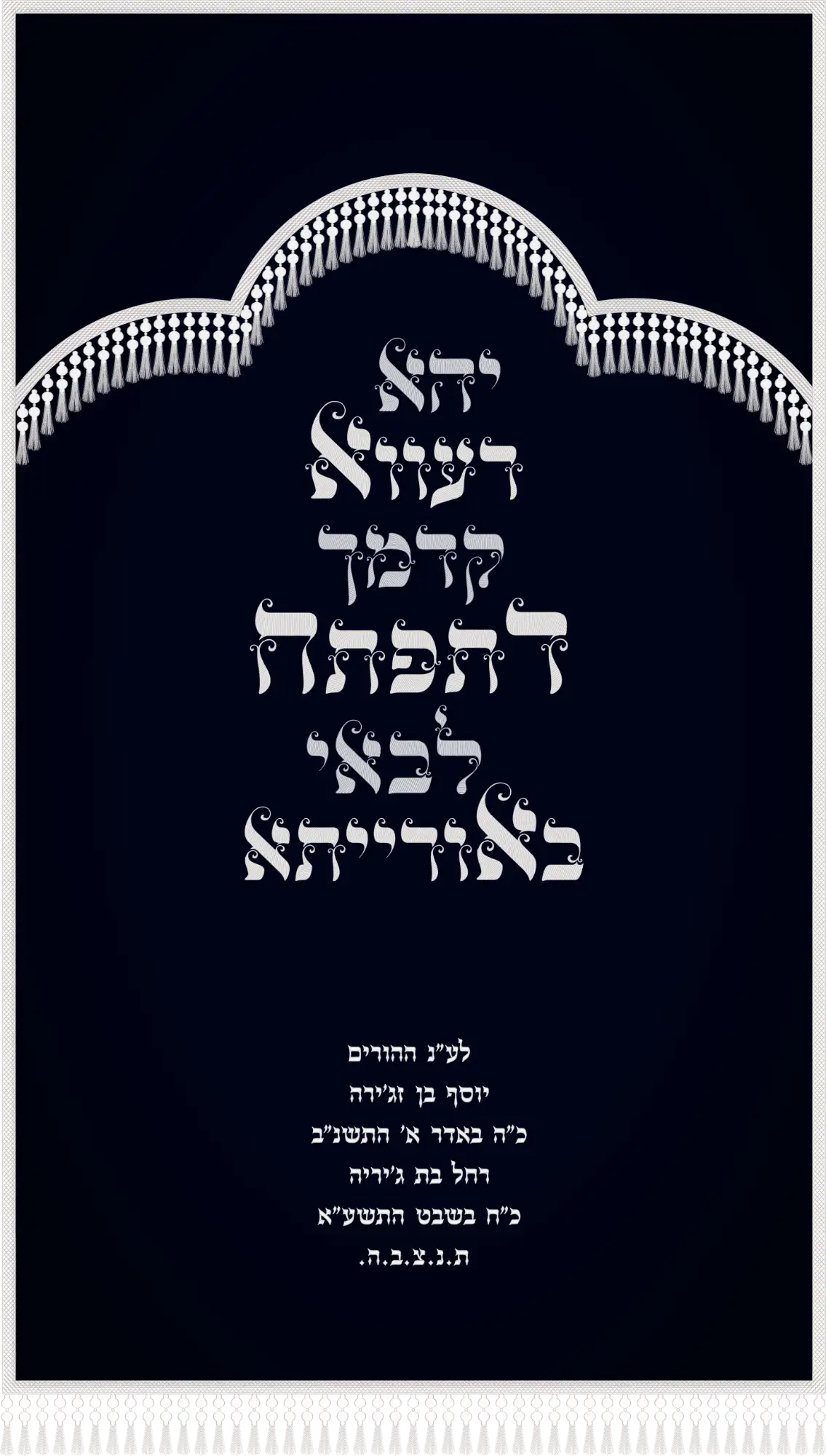
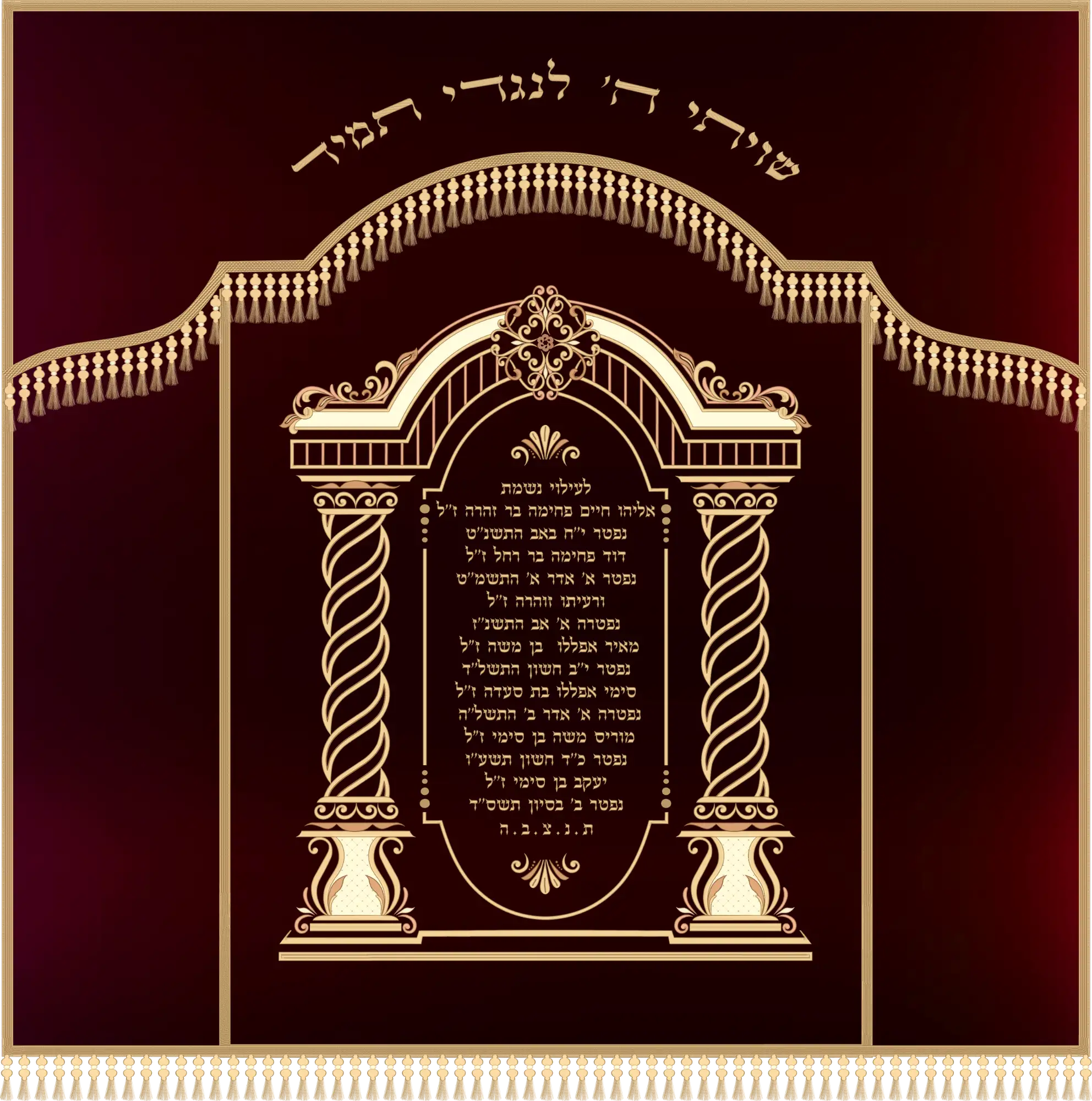
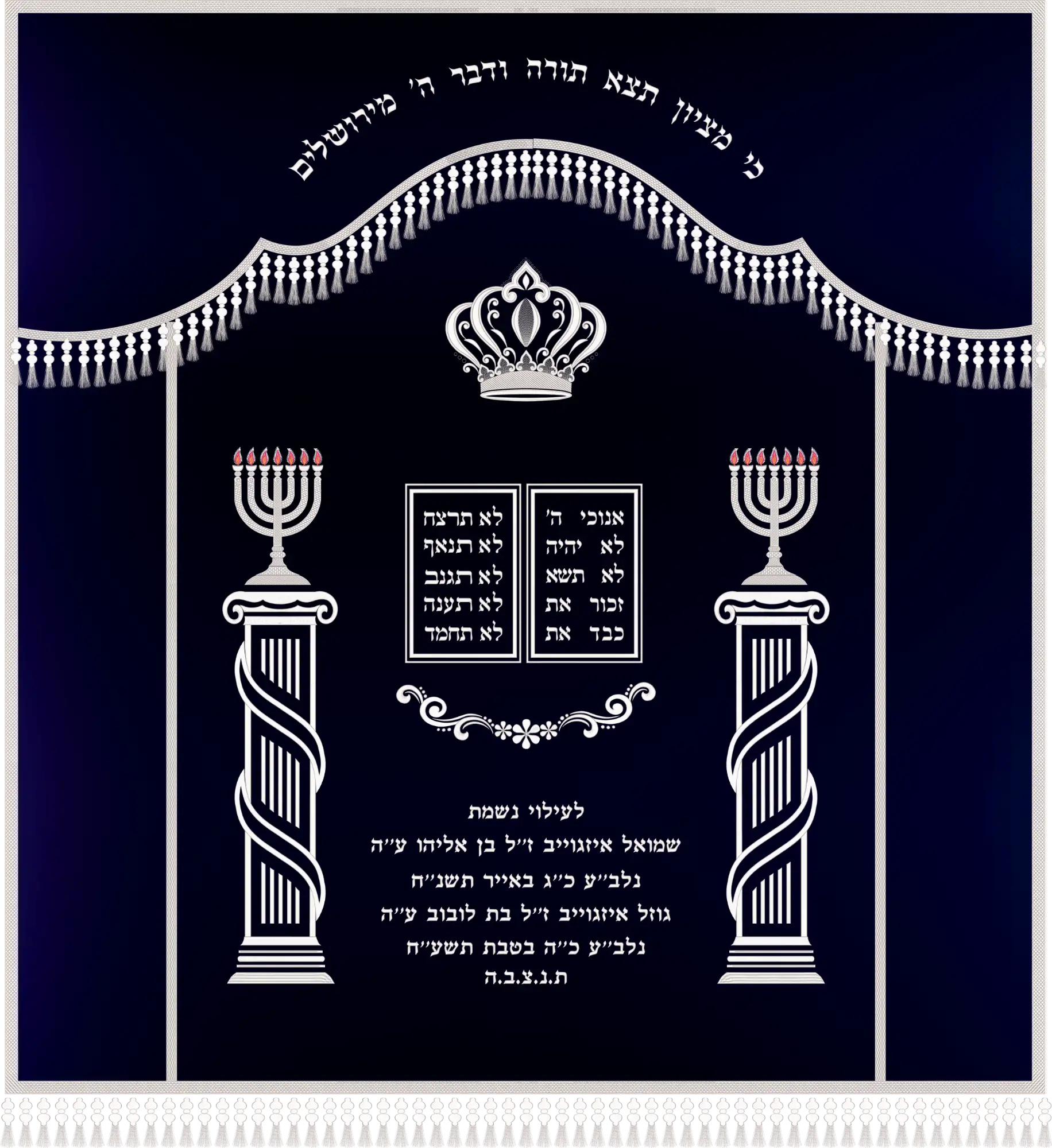
Hiddur mitzvah — the Jewish custom of beautifying objects used for sacred purposes — applies naturally to a ספריית קודש as well. Just as a synagogue invests care in the fabric and embroidery that dress its Aron Kodesh, a home library can reflect the same instinct through quality woodwork, labeled spines, and a clean, dignified arrangement. At Hichala (היכלא), this is the same spirit behind every hand-embroidered parochet we create, from pieces inspired by verses like V'eshmera Toratecha to designs built around Ki HaTorah Kolelet. Browsing our gallery of parochot can be a helpful source of inspiration for anyone thinking about how beauty and reverence can work together around sacred texts, whether on an ark or a bookshelf.
Caring for Worn or Damaged Sefarim
Sacred books that become too worn or damaged for regular use are traditionally not thrown away like ordinary paper. Jewish custom generally directs that pages containing God's name, and often entire sifrei kodesh, be placed in a genizah — a dedicated storage space — until they can be respectfully buried. Readers interested in the background of this custom can find helpful general overviews from established sources such as My Jewish Learning, and should always consult their own rabbi for guidance specific to their situation.
Frequently Asked Questions
What books belong in a ספריית קודש?
A typical sacred library includes Tanakh, Mishnah, Talmud, halachic codes, and works of Jewish thought, though families often add other meaningful volumes over time.
Can a ספריית קודש be set up in any room of the house?
Many families choose a calm, respected space such as a study or living room, since Jewish custom favors treating holy books with dignity similar to how they are kept in a synagogue.
What should be done with sifrei kodesh that are too worn to use?
Worn sacred texts are traditionally placed in a genizah rather than discarded, until they can eventually be buried with respect.
Building and maintaining a ספריית קודש is ultimately an act of ongoing care — a way of giving sacred words a home that matches their value. Whether it is a small shelf of well-loved siddurim or an entire room of sefarim passed down through a family, a thoughtfully kept ספריית קודש quietly strengthens a household's connection to Torah, one volume at a time.