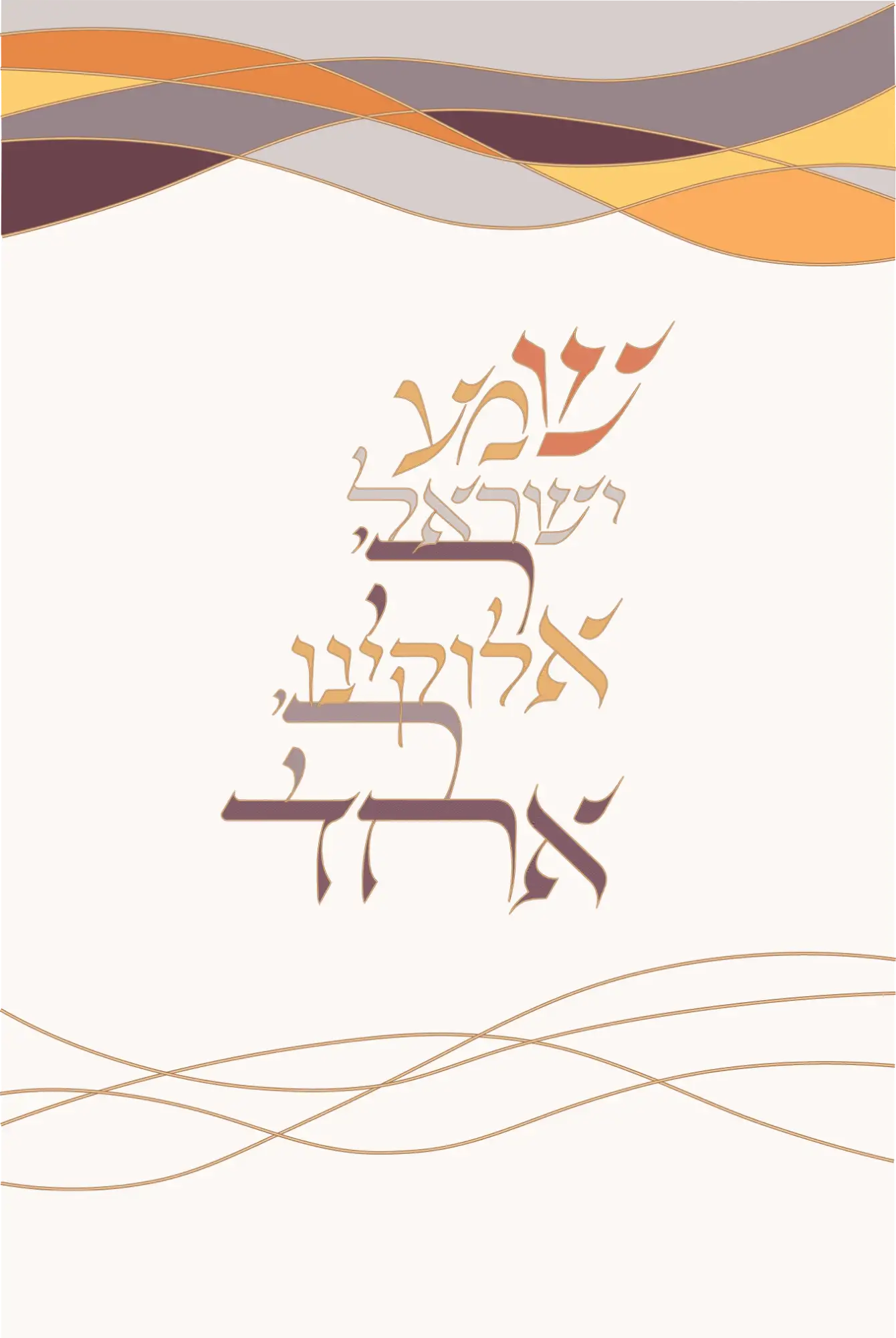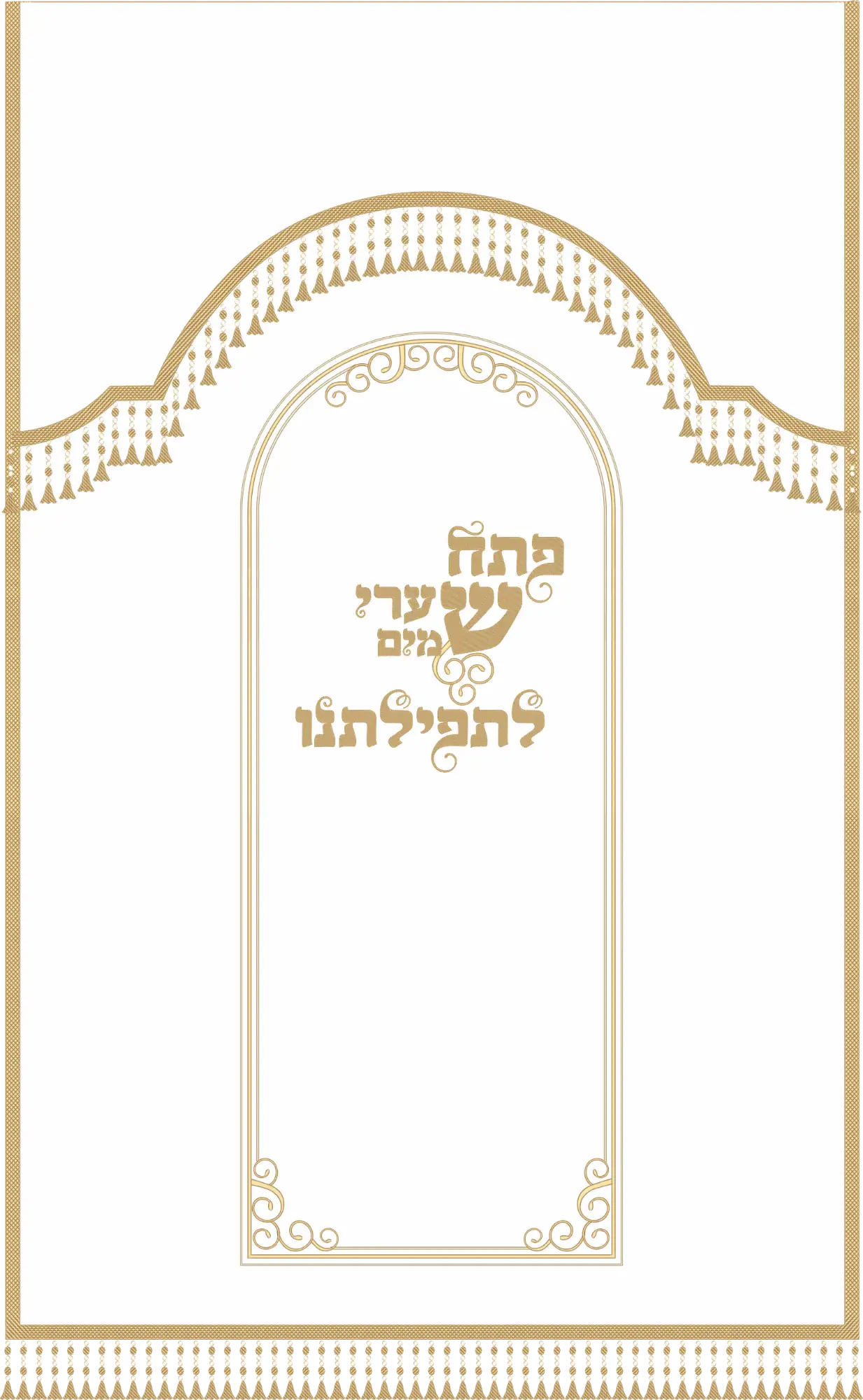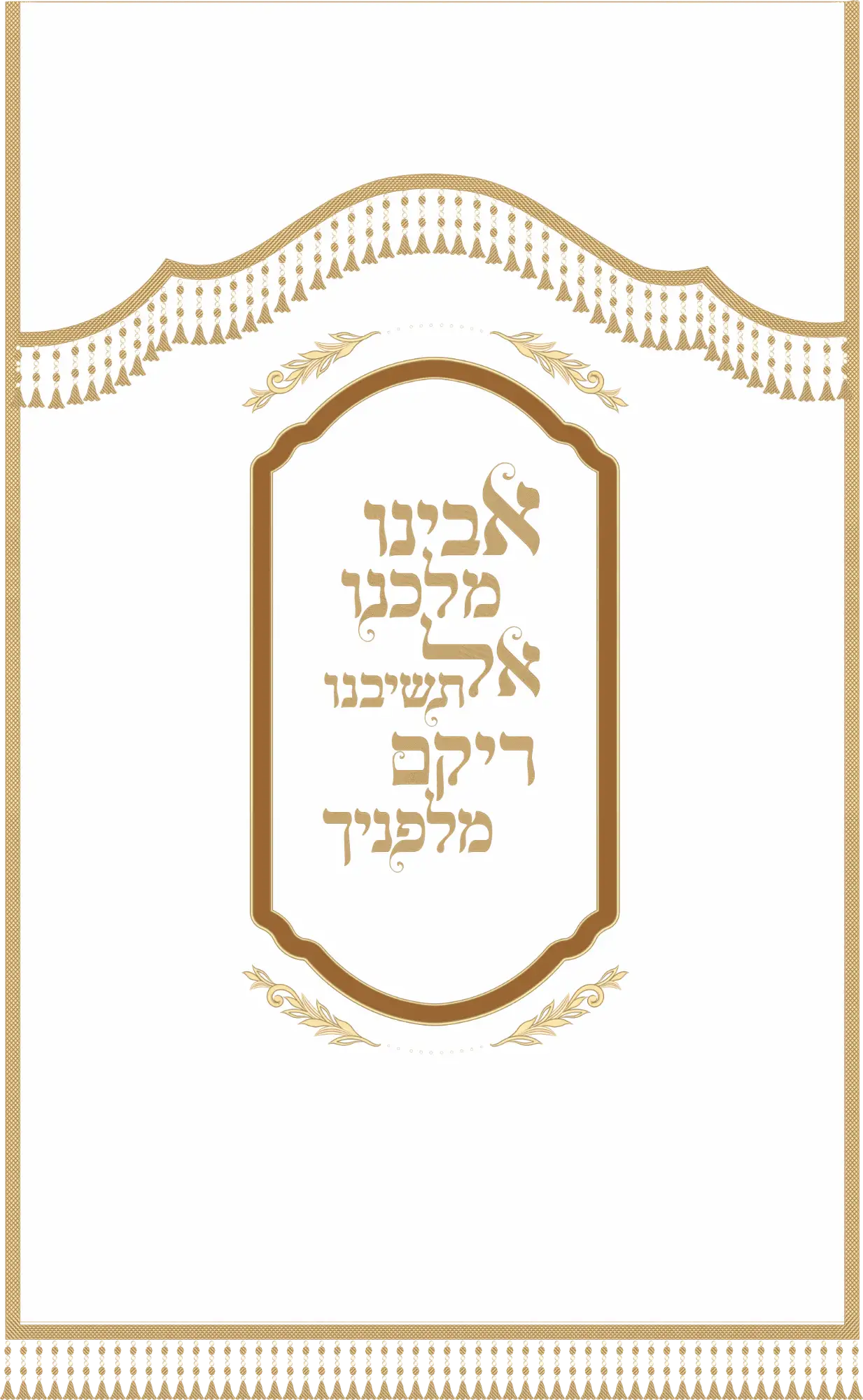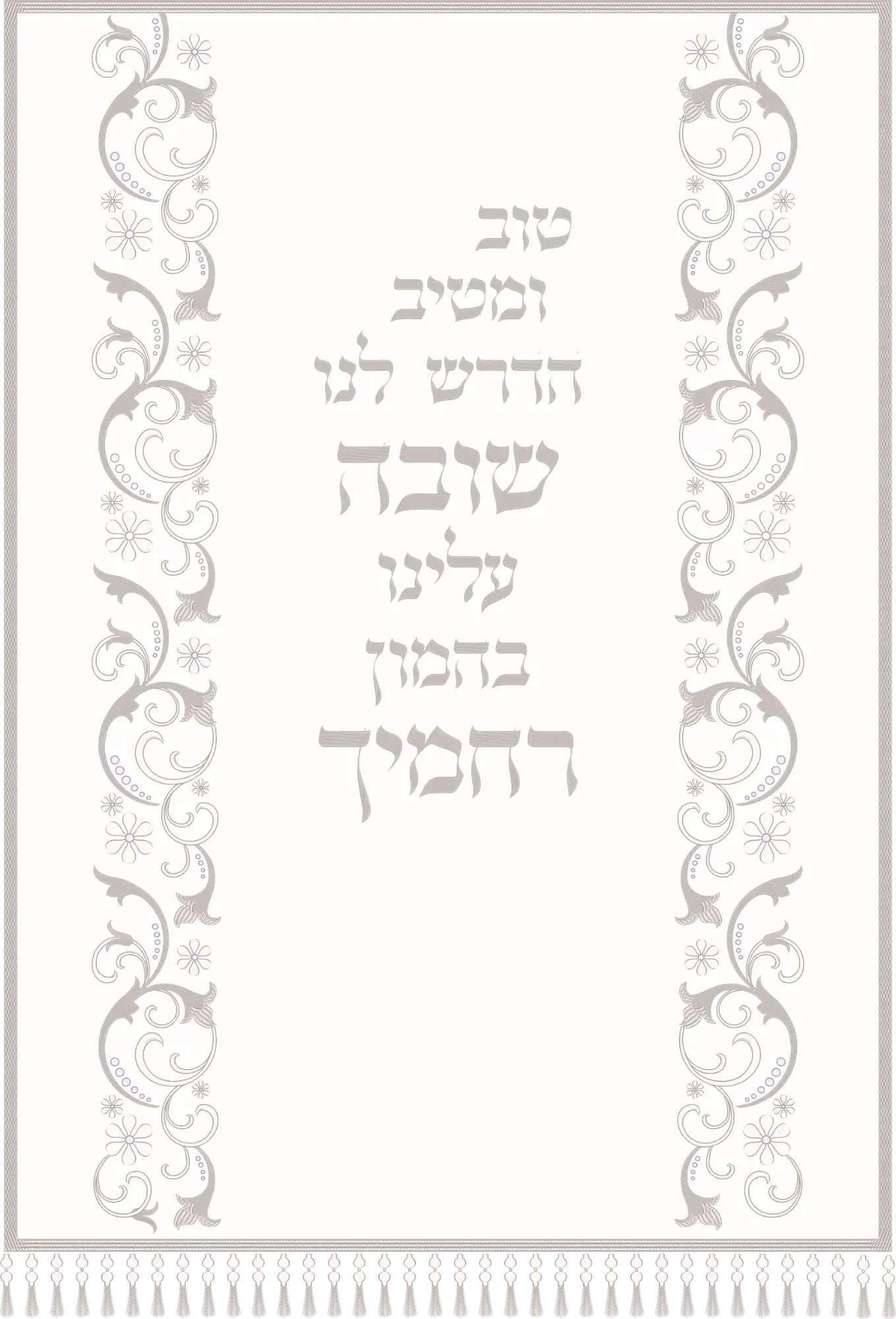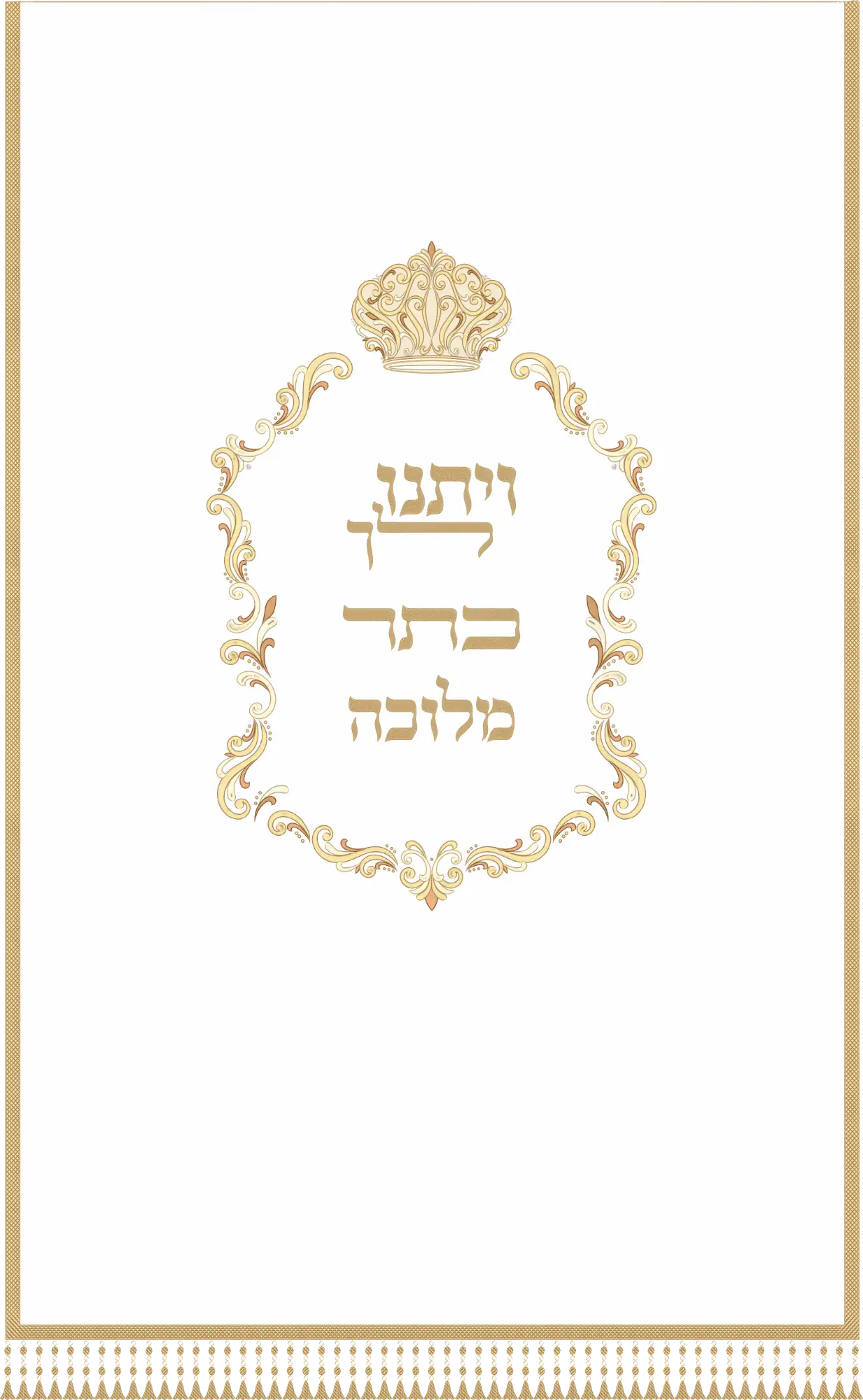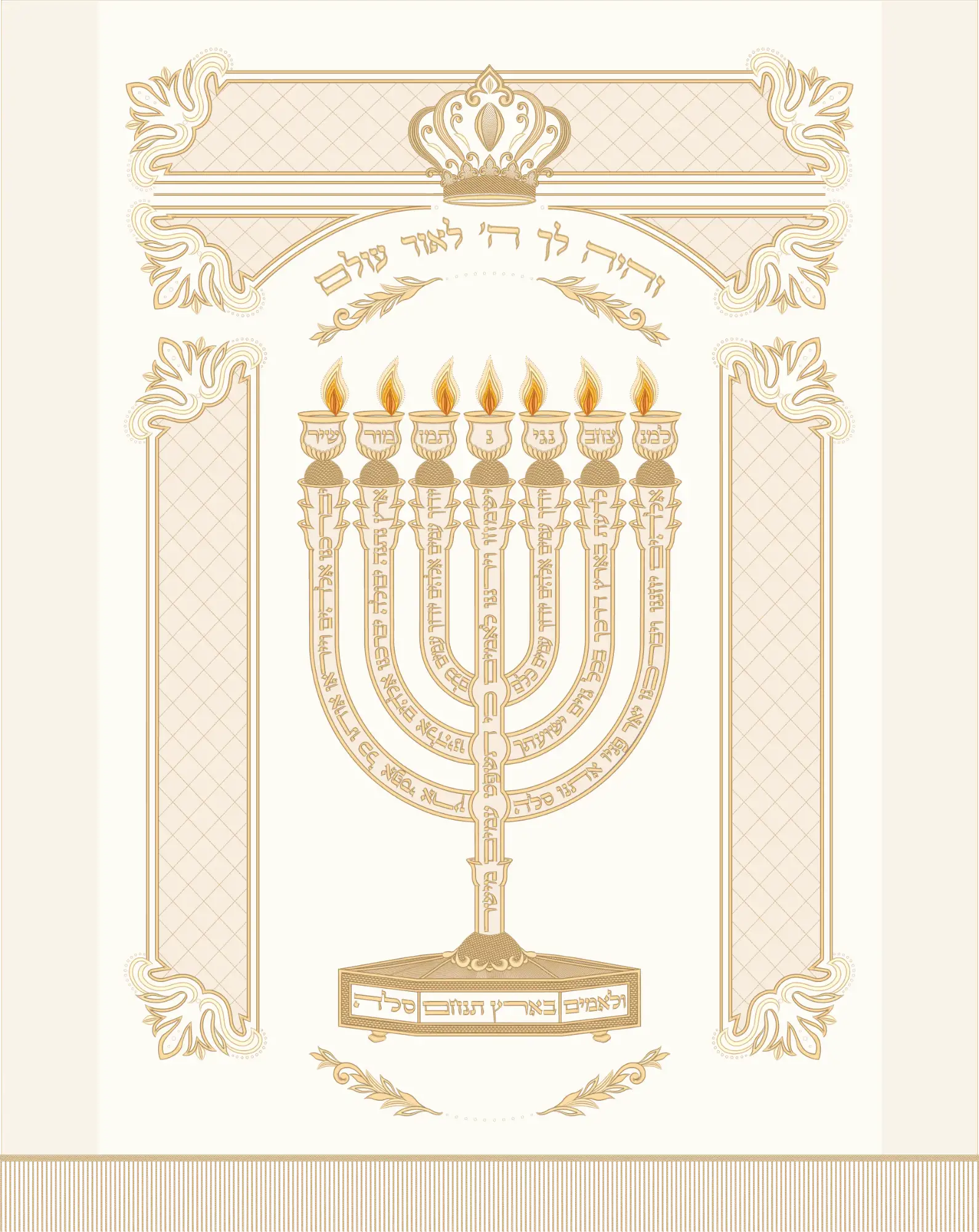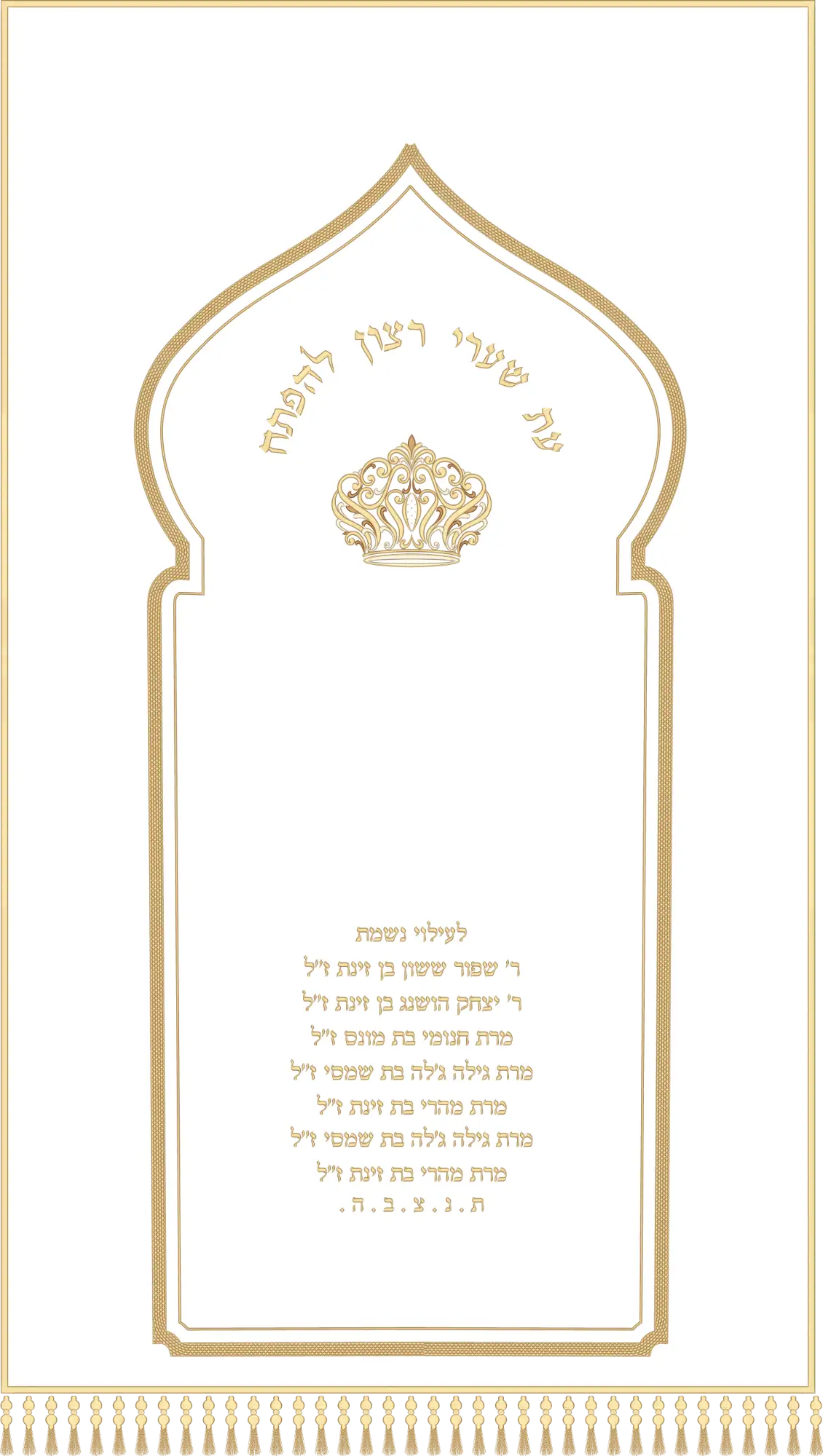

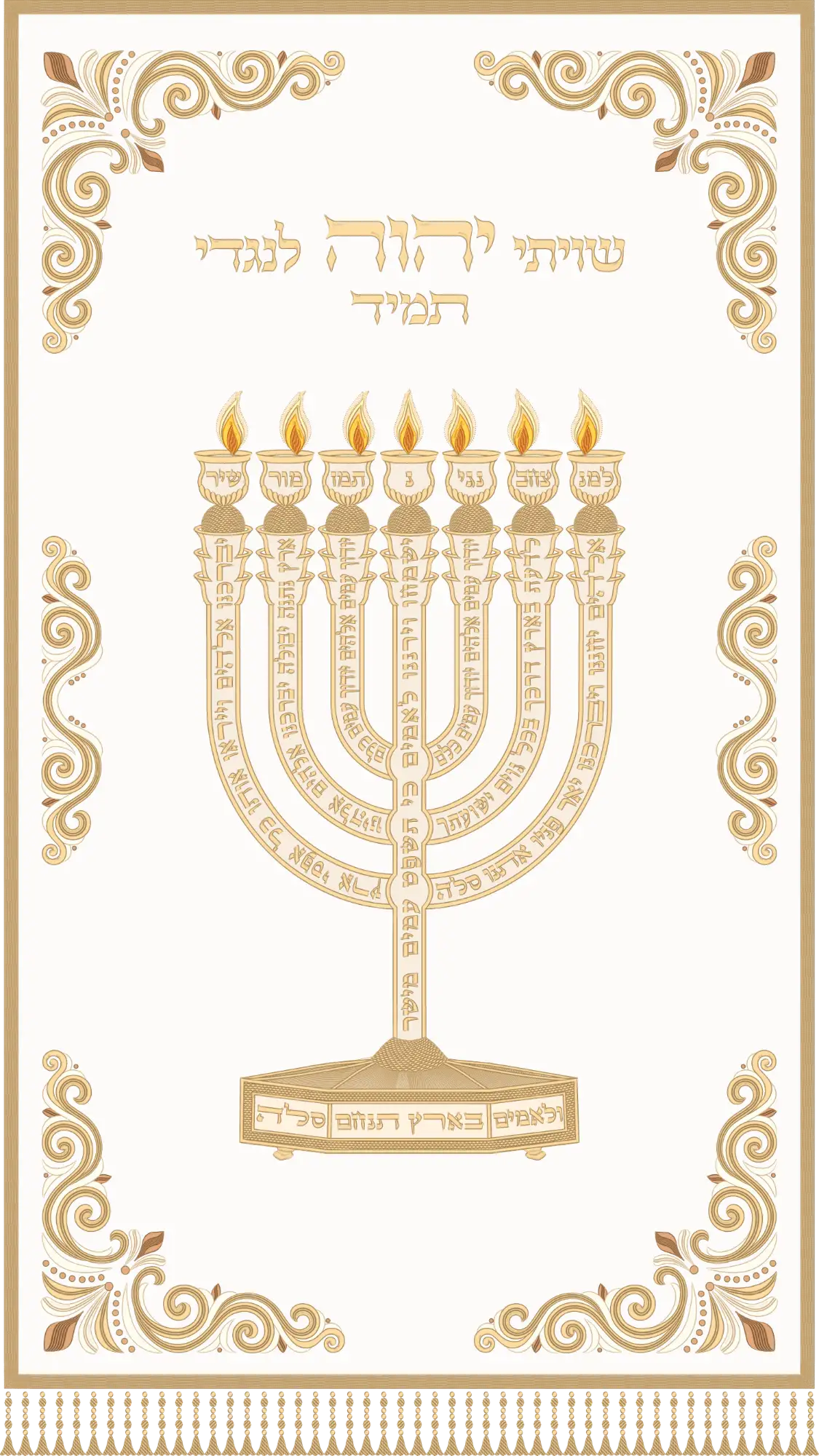
The Seven Species in parochet design refers to the time-honored practice of embroidering wheat, barley, grapes, figs, pomegranates, olives, and dates — the seven fruits and grains the Torah singles out as the special produce of the Land of Israel — onto the curtain that hangs before the Holy Ark. Because these species represent divine blessing, abundance, and the enduring bond between the Jewish people and their land, they have become one of the most cherished motifs for a synagogue parochet that is rich in meaning as well as beauty.
What Are the Seven Species?
The Torah names the Seven Species in Deuteronomy 8:8, describing the Land of Israel as "a land of wheat and barley, vines, figs, and pomegranates, a land of olive oil and honey" — the honey referring to sweet date honey. Each species carries its own layer of symbolism when it is worked into embroidery:
- Wheat – sustenance and the foundation of daily bread
- Barley – the earliest harvest and renewal after winter
- Grapes – joy, and the fruit of the vine used for kiddush
- Figs – sweetness, peace, and quiet contentment
- Pomegranates – abundance and the mitzvot, a motif so beloved it has its own place in our earlier piece on pilgrimage-festival parochet design
- Olives – light, echoing the oil that once kindled the Temple menorah
- Dates – sweetness and longevity
Why the Seven Species Appear in Parochet and Judaica Design
In the days of the Temple, farmers would bring the first ripened fruits of these seven species to Jerusalem as bikkurim, an offering of gratitude described in classic sources such as My Jewish Learning's overview of the Seven Species. That memory of gratitude and connection to the land is exactly what embroiderers try to evoke when they stitch sheaves of wheat or clusters of grapes onto a parochet. The curtain becomes more than decoration — it becomes a quiet echo of the Land of Israel standing at the entrance to the Ark.
The Seven Species and the Fall Holiday Season
Autumn, when the last of the harvest is gathered in and Sukkot fills the calendar, is a natural season to appreciate this motif. It's worth noting that the Seven Species are distinct from the Four Species (lulav, etrog, hadas, and aravah) taken on Sukkot — the Seven Species speak to the land's fruit in general, while the Four Species are specific to the holiday's mitzvah. Many congregations choose a parochet with harvest imagery for exactly this time of year, alongside pieces like a holiday gate parochet designed to bring festive warmth into the sanctuary.
Bringing the Seven Species in Parochet Design to Life
Hand-embroidering the Seven Species is a craft of patience. Wheat sheaves are typically worked in gold or straw-colored thread to catch the light, grape clusters are shaded in deep burgundy or violet silk, and olive branches are rendered in soft greens against ivory or cream backgrounds. Because each species has a distinct shape and texture, an embroiderer often blends satin stitch, couching, and raised threadwork within a single panel to give the fruits dimension rather than a flat, printed look. The result is a parochet where the Land of Israel feels almost alive across the fabric.
Choosing a Seven Species Parochet for Your Synagogue
A Seven Species design suits congregations that want their Ark curtain to speak of gratitude, harvest, and the Land of Israel rather than a single symbol like a crown or a menorah. It also makes a meaningful gift for a synagogue with strong ties to the land — for a milestone anniversary, a dedication in memory of a loved one, or simply as an expression of hakarat hatov, gratitude for blessing. Consider how the motif will sit alongside your existing Ark decor, and whether you'd like it paired with complementary elements such as a festival-themed border.
- Decide whether the Seven Species should be the central image or a border framing another motif
- Choose a fabric and thread palette that will hold up to years of use
- Coordinate the design with your synagogue's existing color scheme and Ark style
Frequently Asked Questions
What are the Seven Species in Jewish tradition?
They are wheat, barley, grapes, figs, pomegranates, olives, and dates — the seven products the Torah names as the special produce of the Land of Israel.
Are the Seven Species the same as the Four Species used on Sukkot?
No, they are two separate traditions; the Four Species (lulav, etrog, hadas, and aravah) relate specifically to the Sukkot mitzvah, while the Seven Species describe the land's general agricultural bounty.
Why choose a Seven Species motif for a parochet?
It expresses gratitude, abundance, and a tangible connection to the Land of Israel, making it a meaningful and visually rich choice for a synagogue's Ark curtain.
Whether stitched as a full panel or worked subtly into a border, the Seven Species in parochet design continue to carry an ancient message of blessing into the modern synagogue — a reminder, every time the Ark is opened, of the land's enduring gifts.