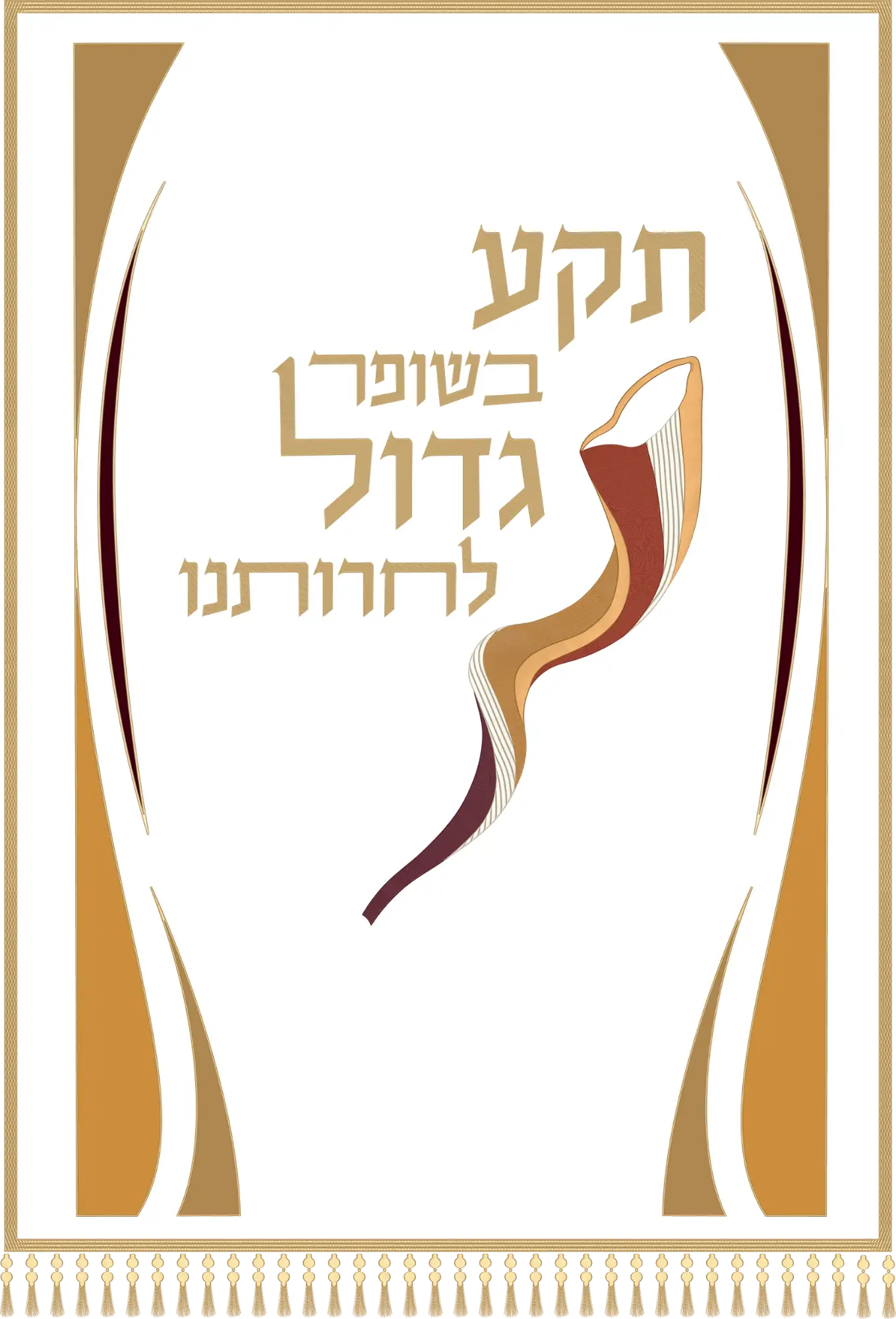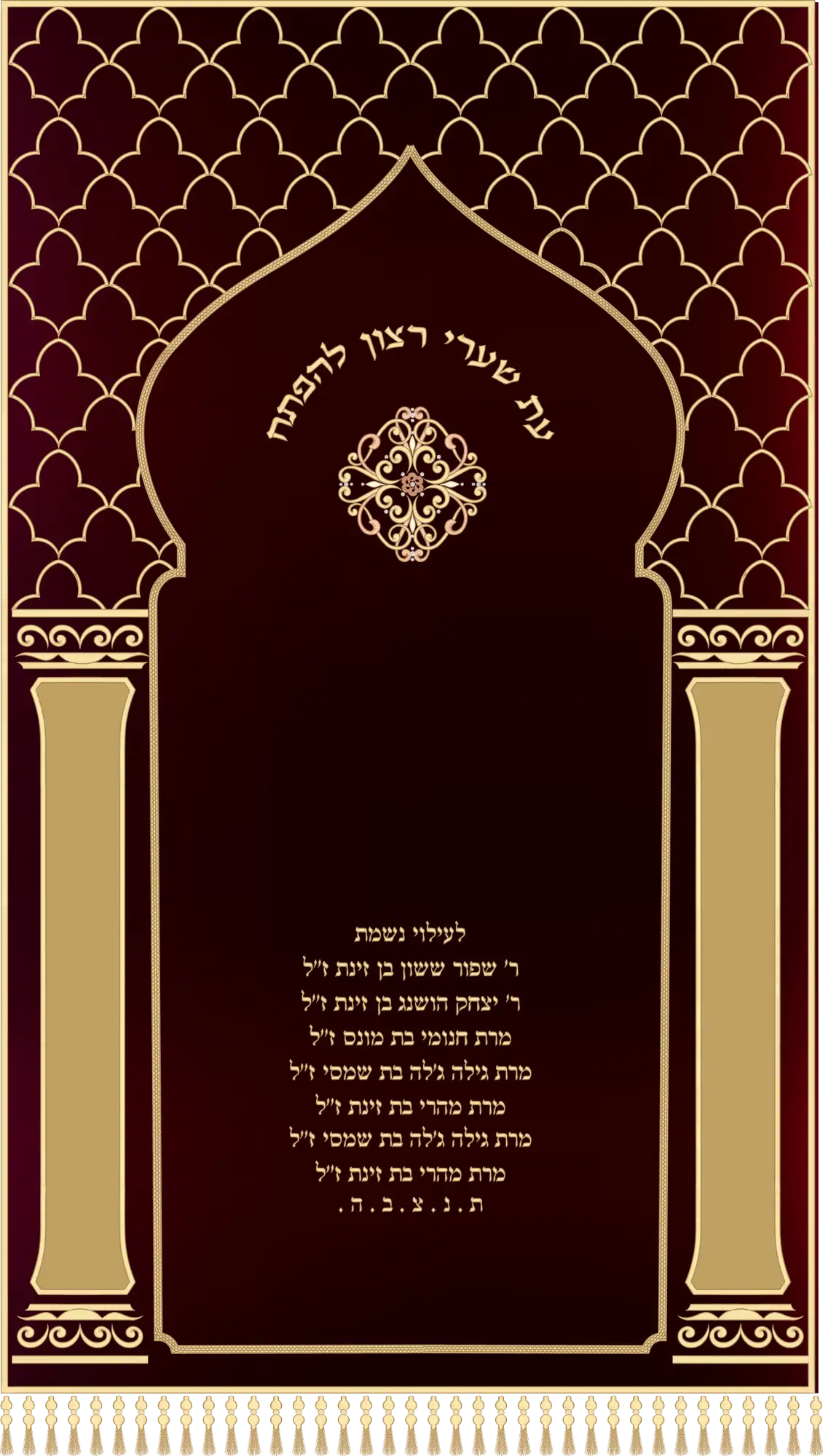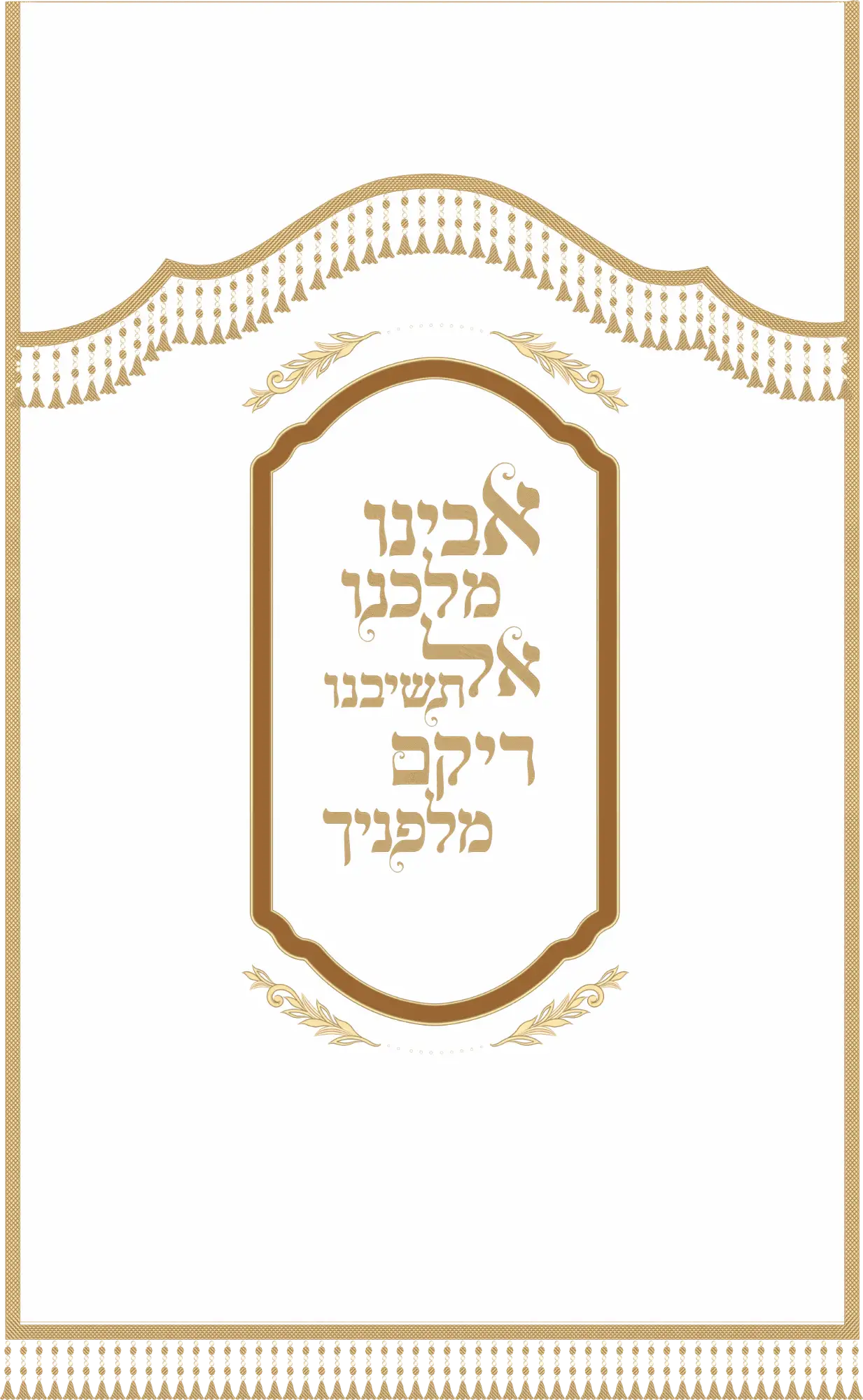

Parochot lechagim (פרוכות לחגים) are special Torah ark curtains that many synagogues use to mark the changing seasons of the Jewish calendar — white coverings for the Days of Awe, gold and crimson designs for Sukkot and Simchat Torah, or jewel-toned embroidery for Pesach and Shavuot. This custom of "dressing" the aron kodesh according to the holiday reflects the honor given to the Torah, and it helps worshippers feel the unique mood of each festival the moment they enter the sanctuary.
What Are Parochot LeChagim?
A parochet is the embroidered curtain hung before (or inside) the ark that holds the Torah scrolls, echoing the veil that once stood before the Holy of Holies in the Temple ark. Parochot lechagim are simply curtains set aside for specific times of year, allowing a congregation to keep one everyday parochet in regular use while reserving more elaborate or symbolically fitting pieces for the holidays. Over generations this became a way of honoring both the sanctity of the Torah and the distinct character of each festival.
Why Communities Rotate the Ark Curtain for the Holidays
Changing the parochet for the holidays serves a few purposes at once:
- Honor and hiddur mitzvah — presenting the Torah in its finest setting for the most sacred days of the year.
- Visual atmosphere — a fresh curtain signals, even before a word of prayer is spoken, that something different is happening in shul today.
- Continuity of custom — many congregations have kept a set rotation of curtains for decades, tying today's worshippers to the community's history.
Color and Symbolism Across the Jewish Calendar
While there is no single binding requirement, a widespread custom has developed around color and imagery for different points in the year:
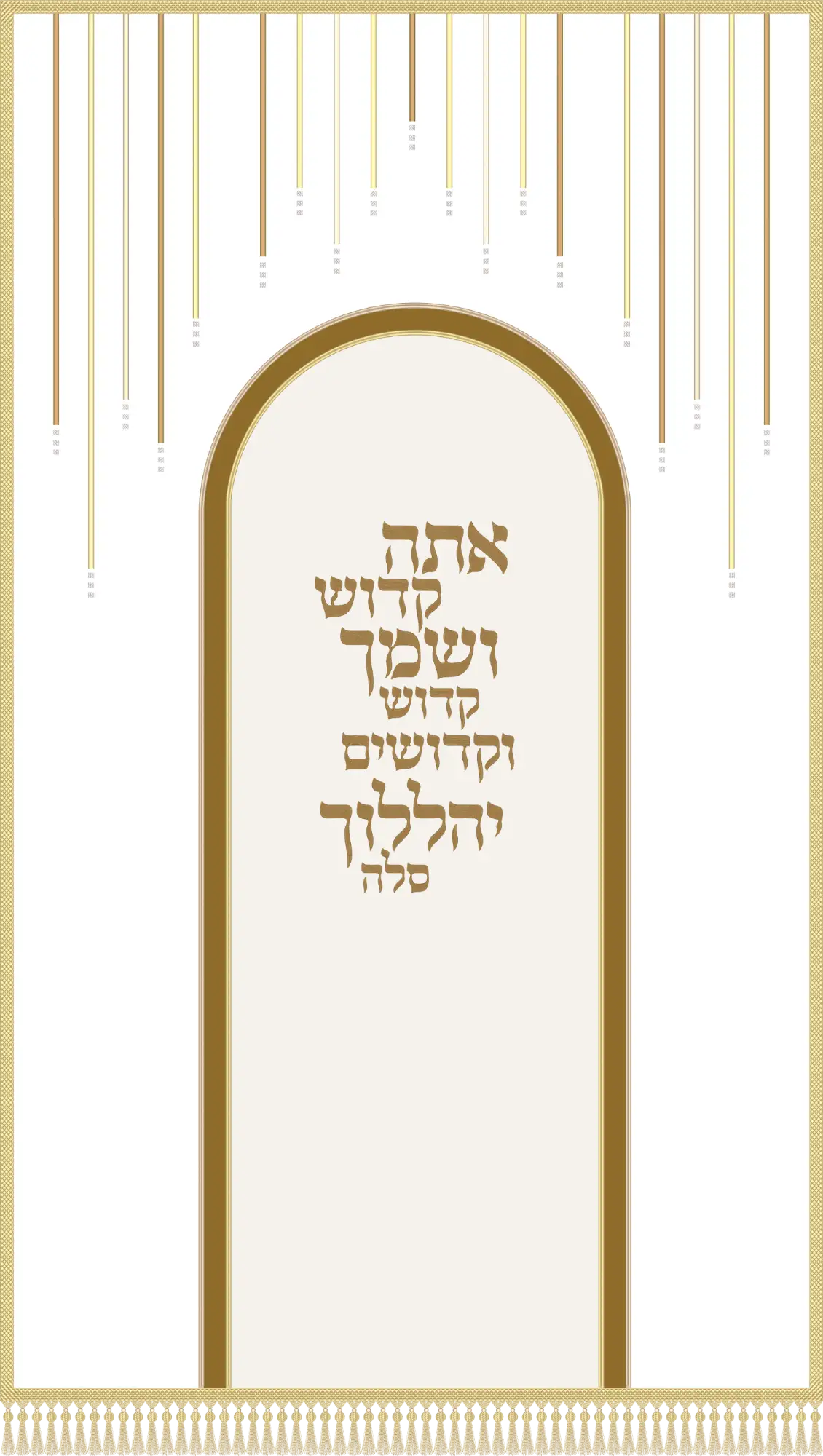
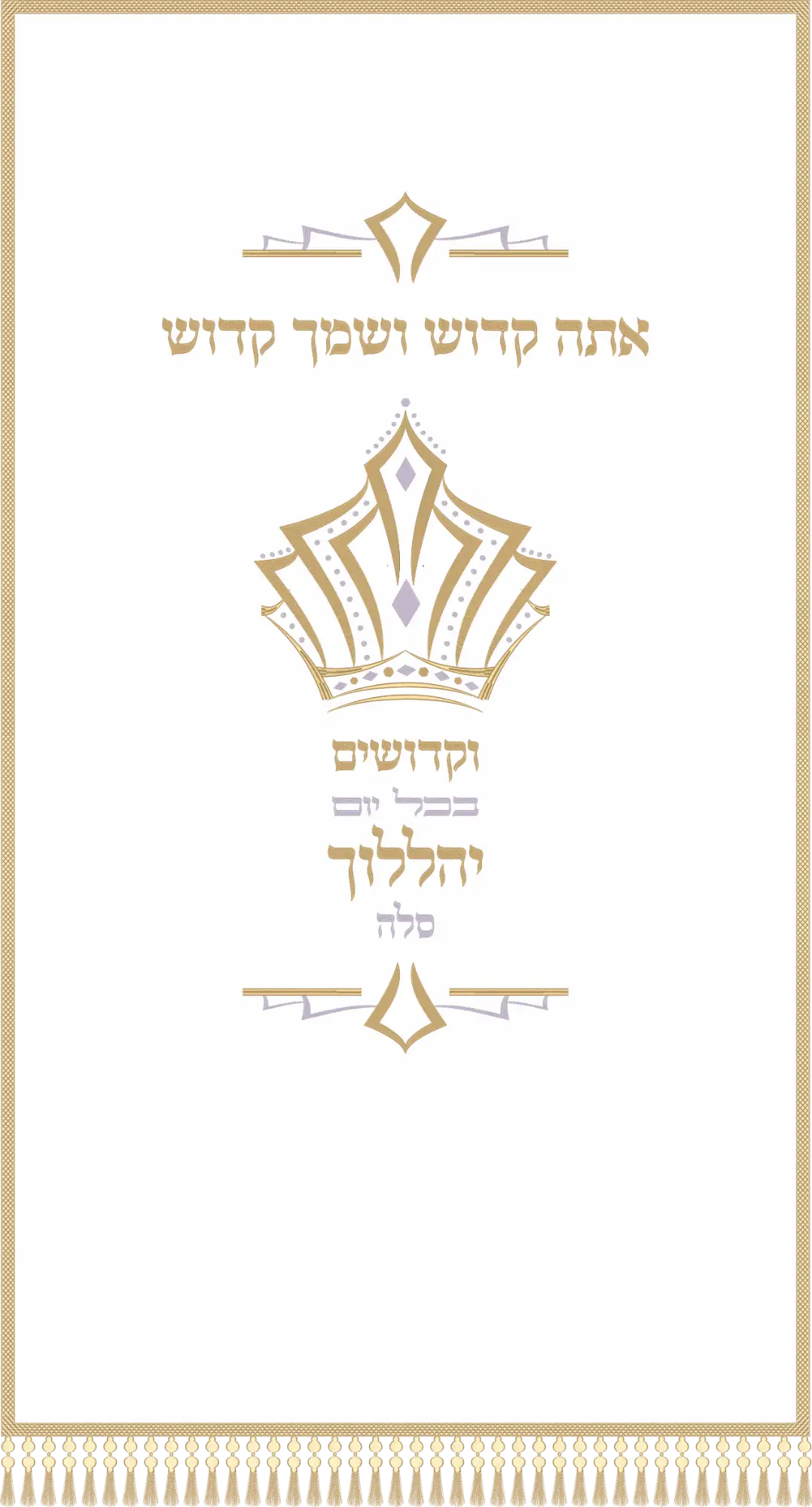
- White for Rosh Hashanah and Yom Kippur — echoing purity and the hope for a favorable judgment. A curtain such as the Tekah BaShofar parochet, with its shofar and broken-shofar-blast imagery, is a natural fit for the Days of Awe.
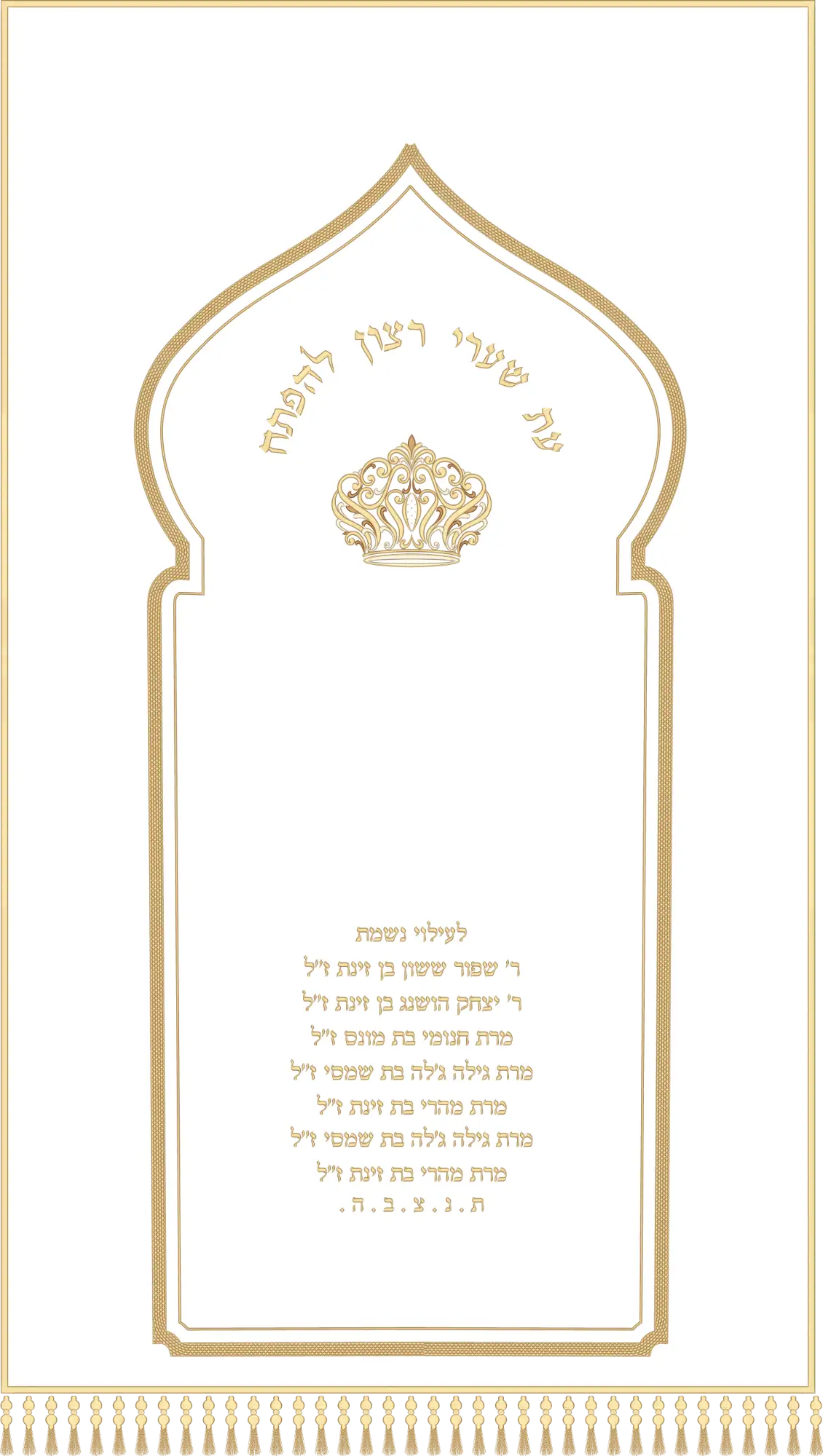
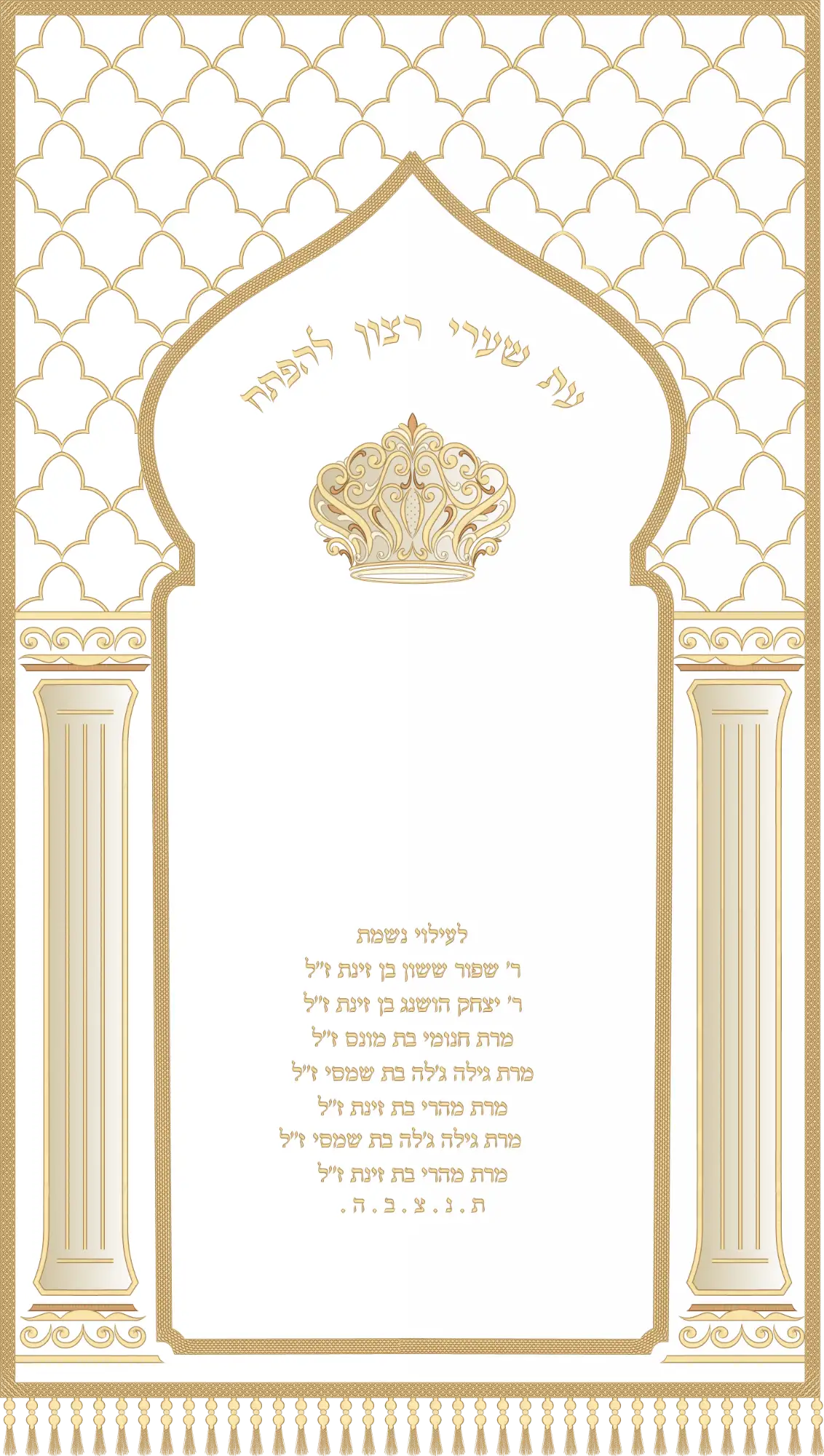
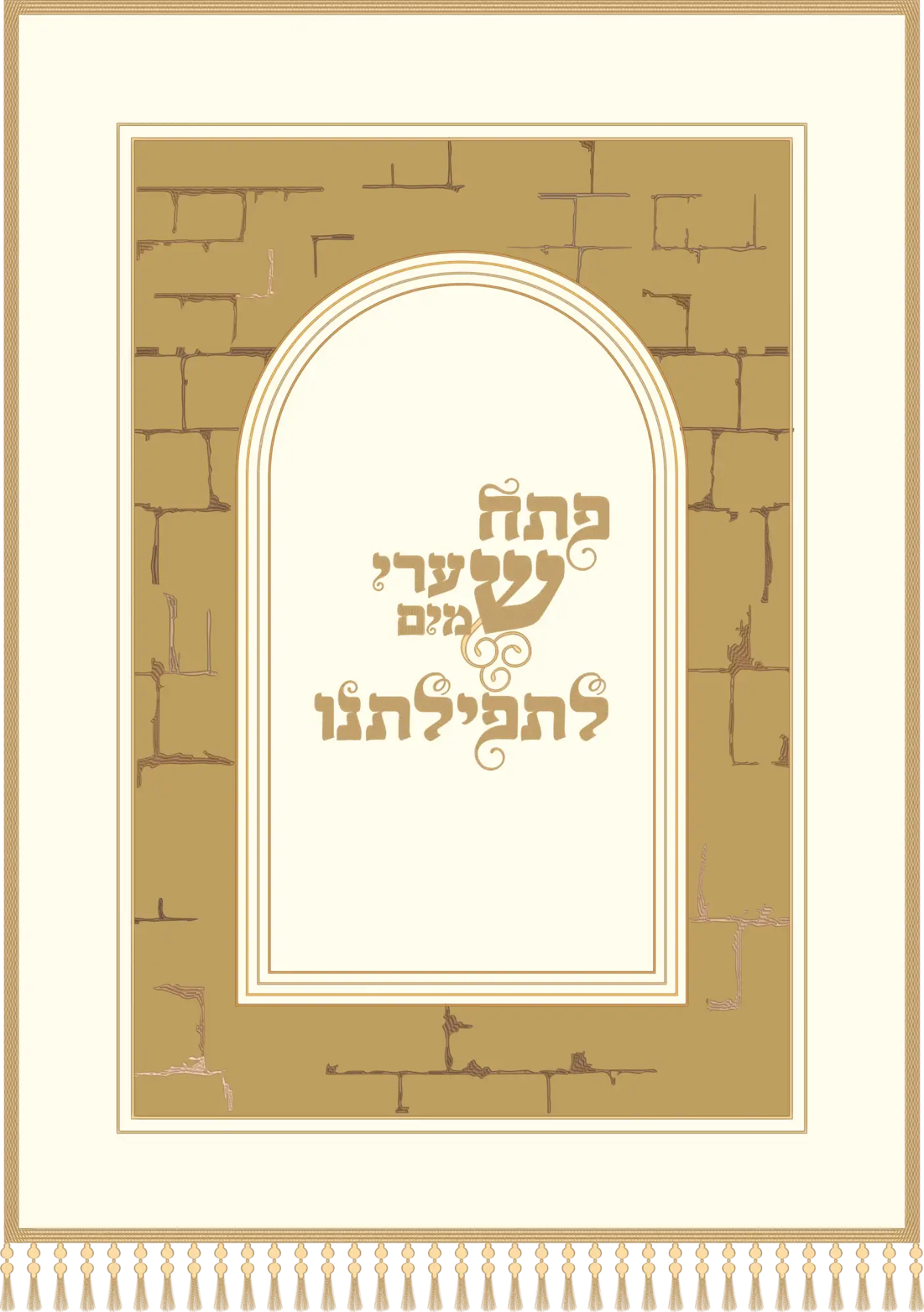
- Gold, crimson, and festive motifs for Sukkot and Simchat Torah — reflecting joy and the harvest season. A design like the Holiday Gate parochet (פרוכת שער חגים) was created for exactly this kind of celebratory use.
- Rich, symbolic embroidery for Pesach and Shavuot — often incorporating verses or motifs tied to freedom and the giving of the Torah, such as a curtain bearing the Shalosh Regalim theme of the three pilgrimage festivals.
Choosing Parochot LeChagim for Your Synagogue
Congregations building or refreshing a holiday rotation generally work through the same short list of considerations:
- Match the mood. Somber, dignified tones for the Days of Awe; brighter colors and joyful imagery for the pilgrimage festivals.
- Coordinate with existing textiles. A curtain that echoes the community's Torah mantles or bimah cover creates a unified, intentional look.
- Invest in durable materials. Because holiday curtains are stored most of the year and displayed for only a few weeks, quality hand embroidery and fabric that resist fading and handling make the investment last for generations.
- Consider dedication. Many families choose to sponsor a parochet lechagim in memory of a loved one, tying a personal story to the holiday the curtain is used for.
Caring for a Rotating Collection
Because these curtains spend most of the year in storage, proper folding, a breathable garment bag, and a dry storage space matter as much as the embroidery itself. Handling the fabric only when needed, and avoiding direct sunlight during the weeks it is displayed, helps hand-embroidered detail stay vivid for years of holiday use.
Frequently Asked Questions
What is the difference between a regular parochet and a parochet lechagim?
A regular parochet is used year-round, while a parochet lechagim is reserved for specific holidays, typically with colors or imagery chosen to reflect that particular time of year.
Is a congregation required to use white curtains for the High Holidays?
Using white for Rosh Hashanah and Yom Kippur is a widespread and meaningful custom rather than a fixed legal requirement, so congregations vary in how strictly they follow it.
Can one parochet be used for the entire year instead of rotating designs?
Yes — many synagogues use a single parochet throughout the year, and rotating holiday curtains is an added custom rather than an obligation.
Bringing the Custom Home to Your Synagogue
Whether your community is starting its first holiday rotation or adding to a collection built over decades, parochot lechagim offer a beautiful way to mark the Jewish calendar visually as well as spiritually. A thoughtfully chosen, hand-embroidered curtain for each season turns the simple act of opening the ark into a quiet reminder of exactly which day it is in the Jewish year.