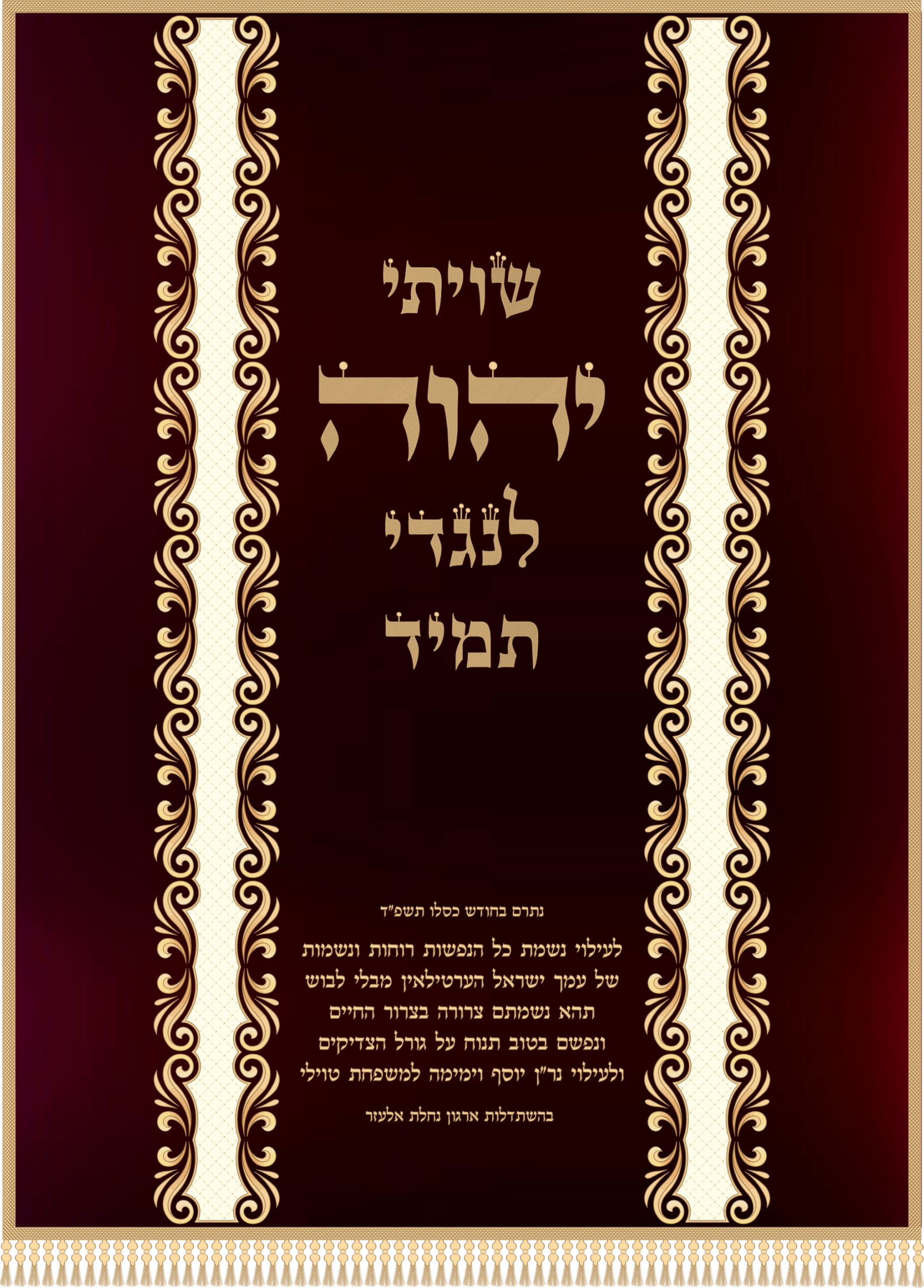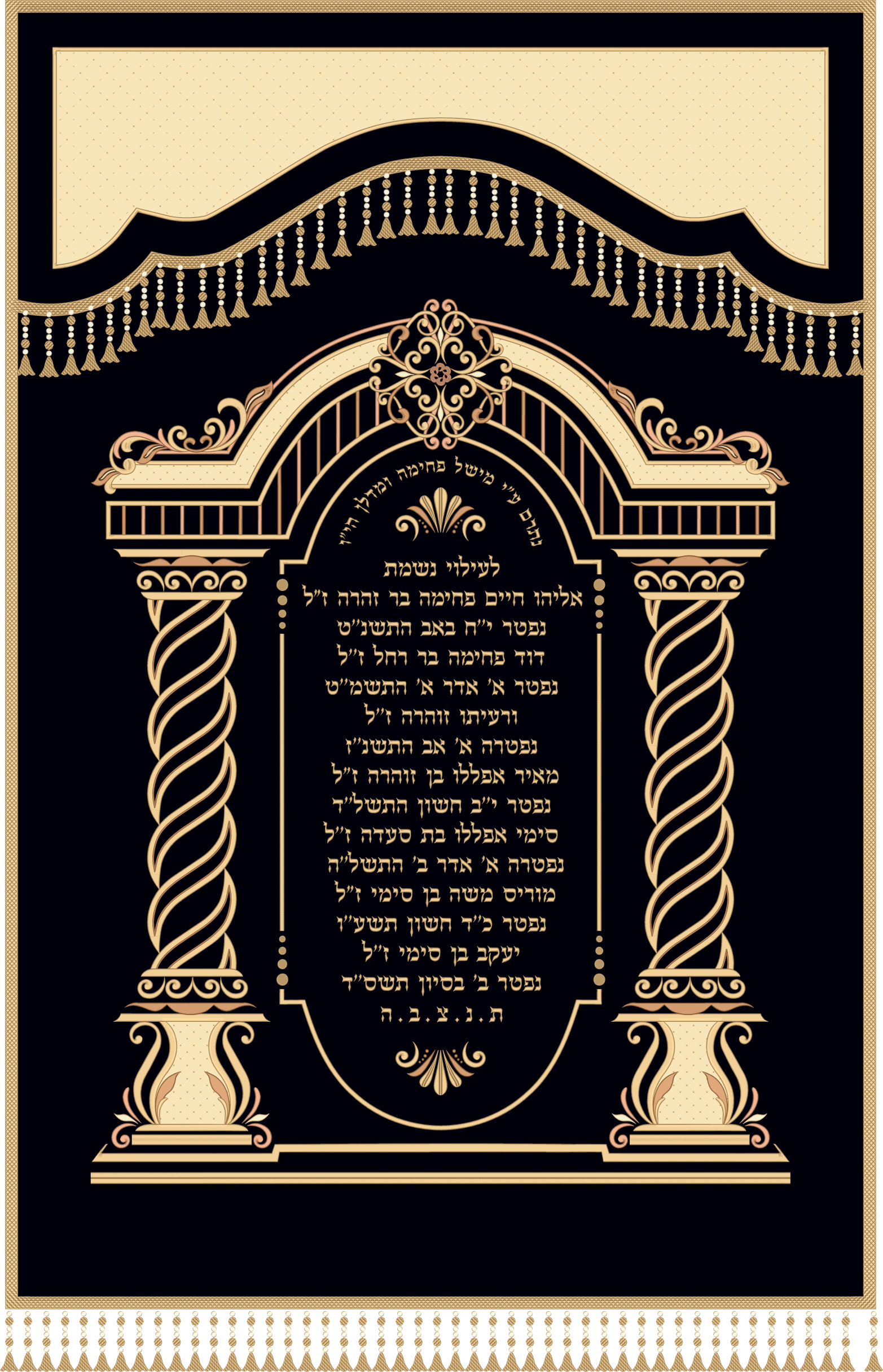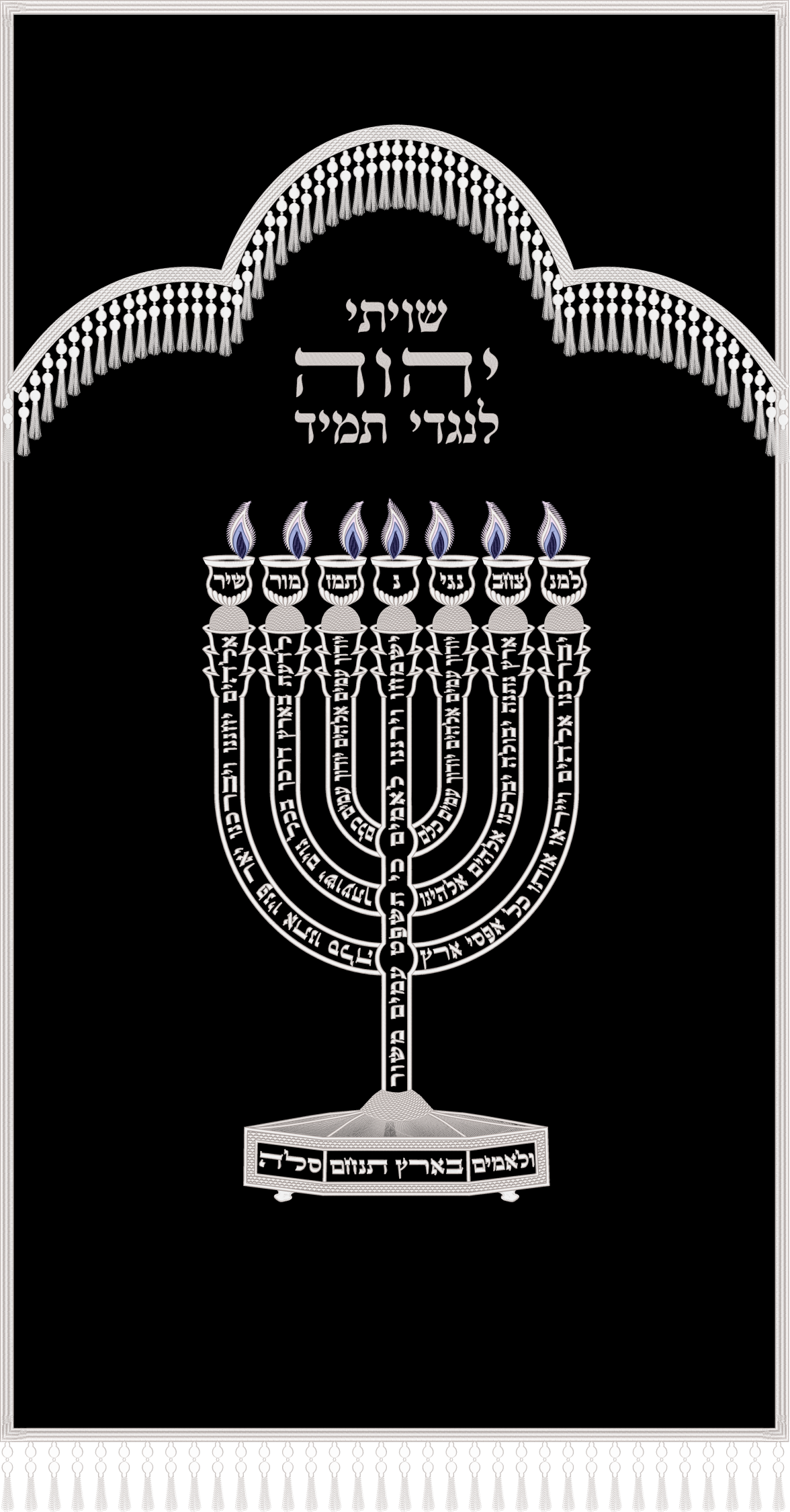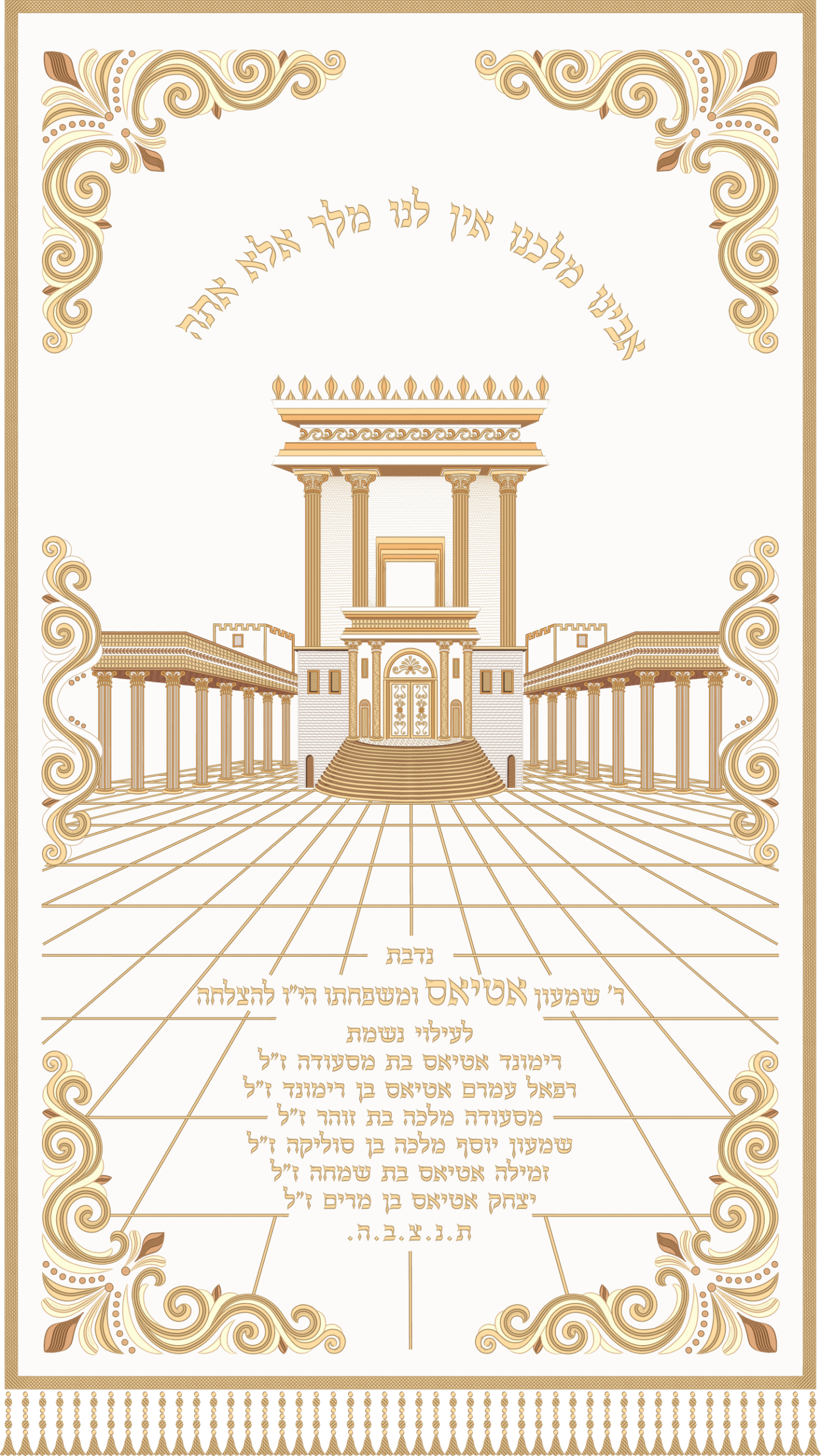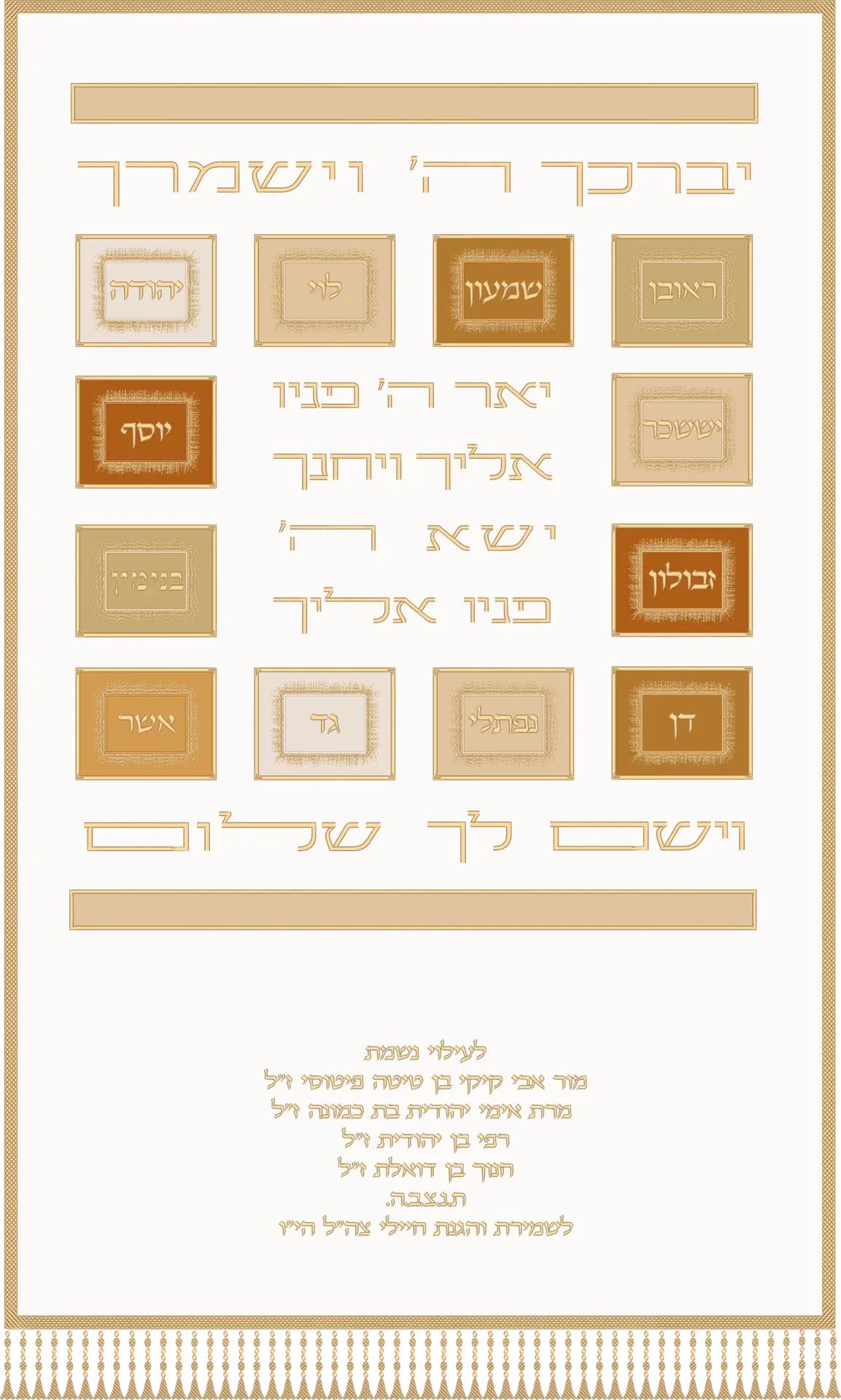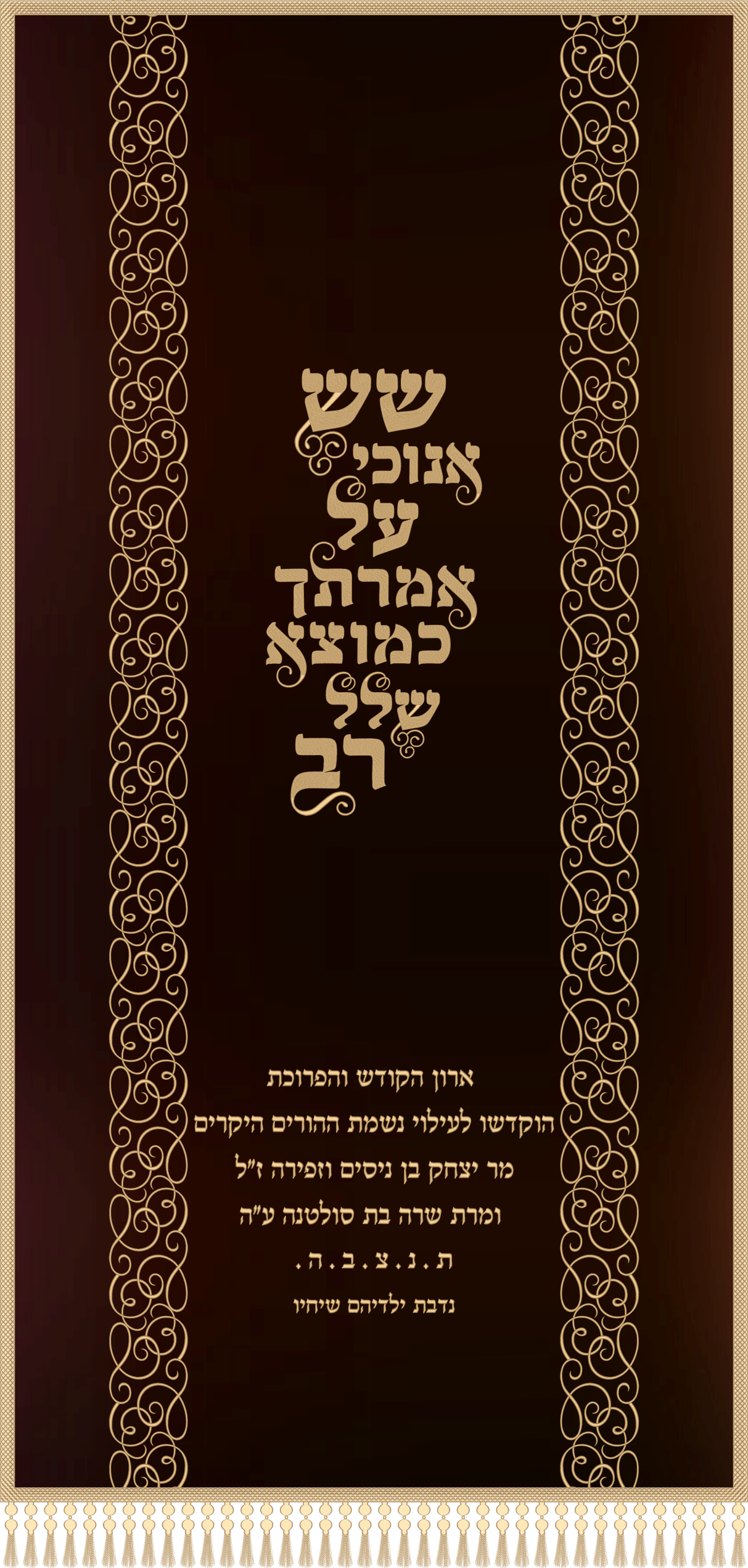

A Parochet LeAron Kodesh (פרוכת לארון קודש) is the hand-embroidered curtain that hangs over the Torah ark in a synagogue, shielding the scrolls from view until they are needed and signaling the holiness of what lies behind it. Far more than a decorative drape, it is built from several distinct parts — each with its own name, material, and purpose — that together turn a simple cloth into a dignified covering for the Torah. Understanding those parts makes it far easier for a synagogue committee or donor to commission one with confidence.
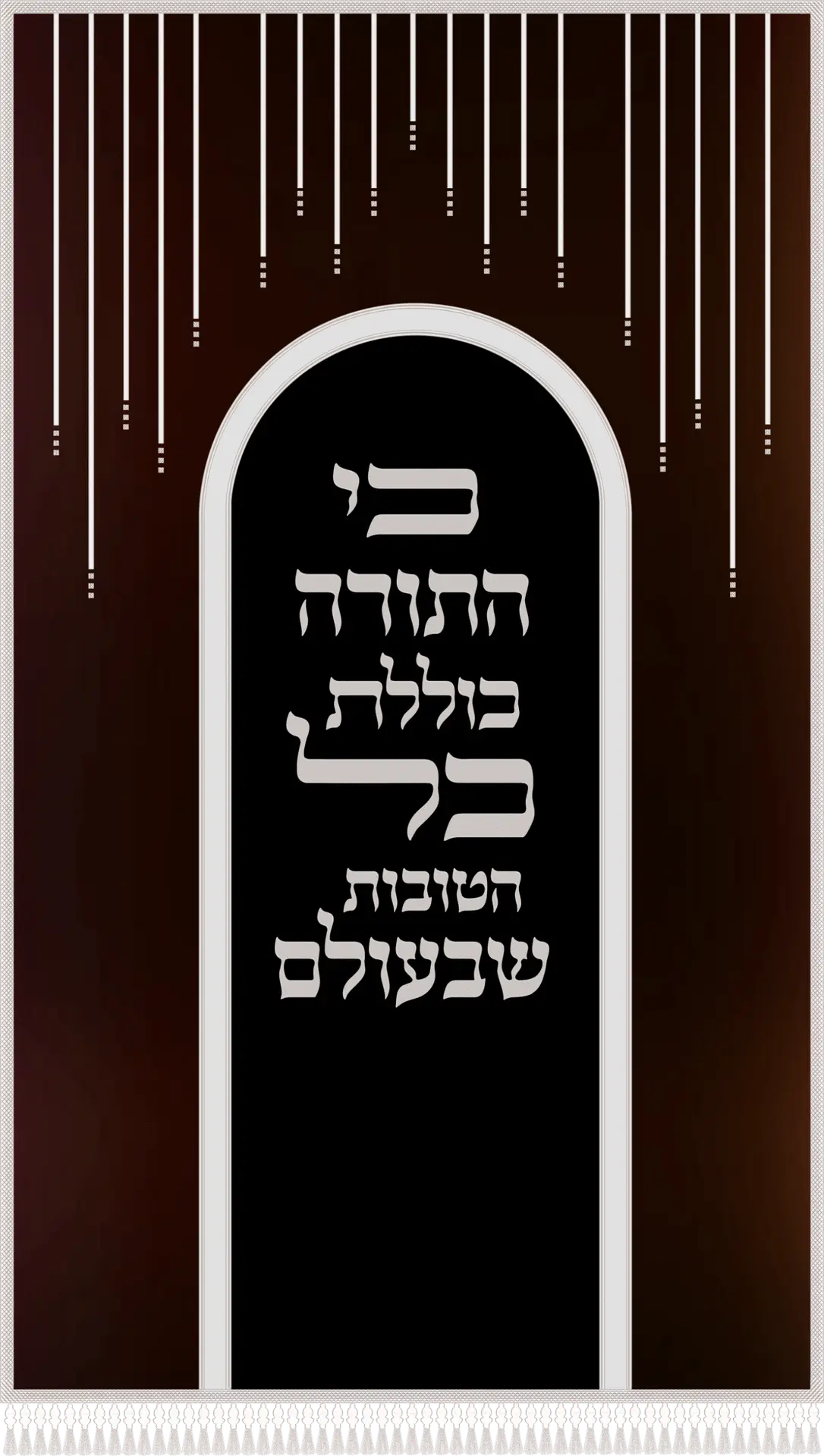
In brief
- A פרוכת לארון קודש is a hand-embroidered curtain hung over or inside a synagogue's Torah ark to honor and conceal the scrolls.
- Most curtains of this kind are built from a body panel, a crown-shaped valance called a kapparet, a central embroidered medallion, and a lined backing.
- Fabrics typically include velvet or silk for the body and metallic or silk threads for the embroidery, chosen for durability as much as appearance.
- Communities often rotate several curtains across the year, keeping a festive or seasonal design in reserve for holidays.
What Is a Parochet LeAron Kodesh (פרוכת לארון קודש)?
A Parochet LeAron Kodesh is the curtain — usually velvet or silk, hand-embroidered with metallic or silk thread — that covers the opening of the Torah ark (aron kodesh) in a synagogue. The term describes both its function and its location, and many congregations use it interchangeably with simply "the ark curtain." Its origins are often traced back to the curtain that hung before the Holy of Holies in the Temple, a connection explored in general overviews of the Torah ark, and carried forward into synagogue life as an expression of reverence for the Torah.
The Main Parts of a Parochet LeAron Kodesh
Every פרוכת לארון קודש is assembled from several distinct components, even when the finished curtain looks like a single seamless piece. Recognizing these parts helps when discussing a design with an embroiderer or comparing two curtains side by side.
- Body panel (guf): the main rectangle of fabric that covers the ark opening, usually velvet, silk, or a brocade blend.
- Kapparet (crown valance): a shorter, often arched or crown-shaped section attached along the top, frequently embroidered with a crown, gate, or menorah motif.
- Central embroidered medallion: the focal design — a verse, the Tablets of the Covenant, a menorah, or a gate — hand-stitched at the heart of the panel.
- Lining and backing: an inner layer of sturdy fabric that adds weight, helps the curtain hang evenly, and protects the embroidery from the back.
- Hanging mechanism: the rod pocket, rings, or hooks along the top edge that let the curtain be raised, lowered, or swapped between holidays.
| Part | Typical Material | Main Purpose |
|---|---|---|
| Body panel | Velvet or silk | Covers the ark opening |
| Kapparet / valance | Matching fabric, embroidered | Frames the top and carries a central motif |
| Central medallion | Metallic or silk thread embroidery | Displays the main symbol or verse |
| Lining | Firm backing fabric | Gives the curtain shape and durability |
Design Motifs Woven Into the Curtain
The embroidery on this curtain is where most of its personality comes through. Crowns, gates, menorahs, lions, and the Tablets of the Covenant are among the most common motifs, each carrying its own layer of meaning about kingship, Torah, and the Temple. A curtain such as Parochet Sim Shalom Murchav shows how an extended kapparet and a flowing verse can be combined into one harmonious design, while a piece like Parochet Misgeret Revu'im demonstrates a cleaner, framed body panel for synagogues that prefer a simpler silhouette. Browsing our gallery of parochot is a useful way to see how these parts come together in finished curtains before deciding on a design.
Choosing the Right Parochet LeAron Kodesh for Your Synagogue
Choosing a parochet le'aron kodesh well means thinking about the parts above together, not just the overall color. A few practical points to raise with an embroiderer:
- Measure the ark opening precisely, including any extra height needed for a kapparet, before discussing fabric or motifs.
- Decide whether the lining should be heavier for a curtain that stays up year-round or lighter for one that is swapped often.
- Match the motif to the occasion — a crown or Tablets design for everyday use, and perhaps a festive variant kept in reserve for holidays.
- Ask how the hanging mechanism will interact with the existing ark hardware so the finished curtain hangs evenly from day one.
Workshops such as Hichala (היכלא) hand-embroider each of these parts individually before assembling the finished curtain, which is part of why a well-made פרוכת לארון קודש can take real time to produce. Comparing finished examples, including background on synagogue custom from sources like My Jewish Learning, can also help a committee understand how different communities approach the same tradition.
Frequently Asked Questions
Is a Parochet LeAron Kodesh the same as a kapparet?
No — the kapparet is just the crown-shaped valance at the top; the full parochet le'aron kodesh includes the kapparet along with the body panel, lining, and hanging mechanism.
How many curtains does a synagogue typically need?
Many congregations keep at least one everyday curtain and a second festive one for holidays, though this varies by community custom and budget.
Can an existing parochet be repaired instead of replaced?
Often yes — because the curtain is made of distinct parts, a worn lining or frayed edge can frequently be restored without re-embroidering the central design.
Whether a congregation is commissioning its first curtain or replacing a worn one, understanding the parts of a פרוכת לארון קודש — the panel, the kapparet, the embroidery, and the lining — turns an abstract purchase into a series of clear, manageable decisions that honor the Torah it is meant to cover.