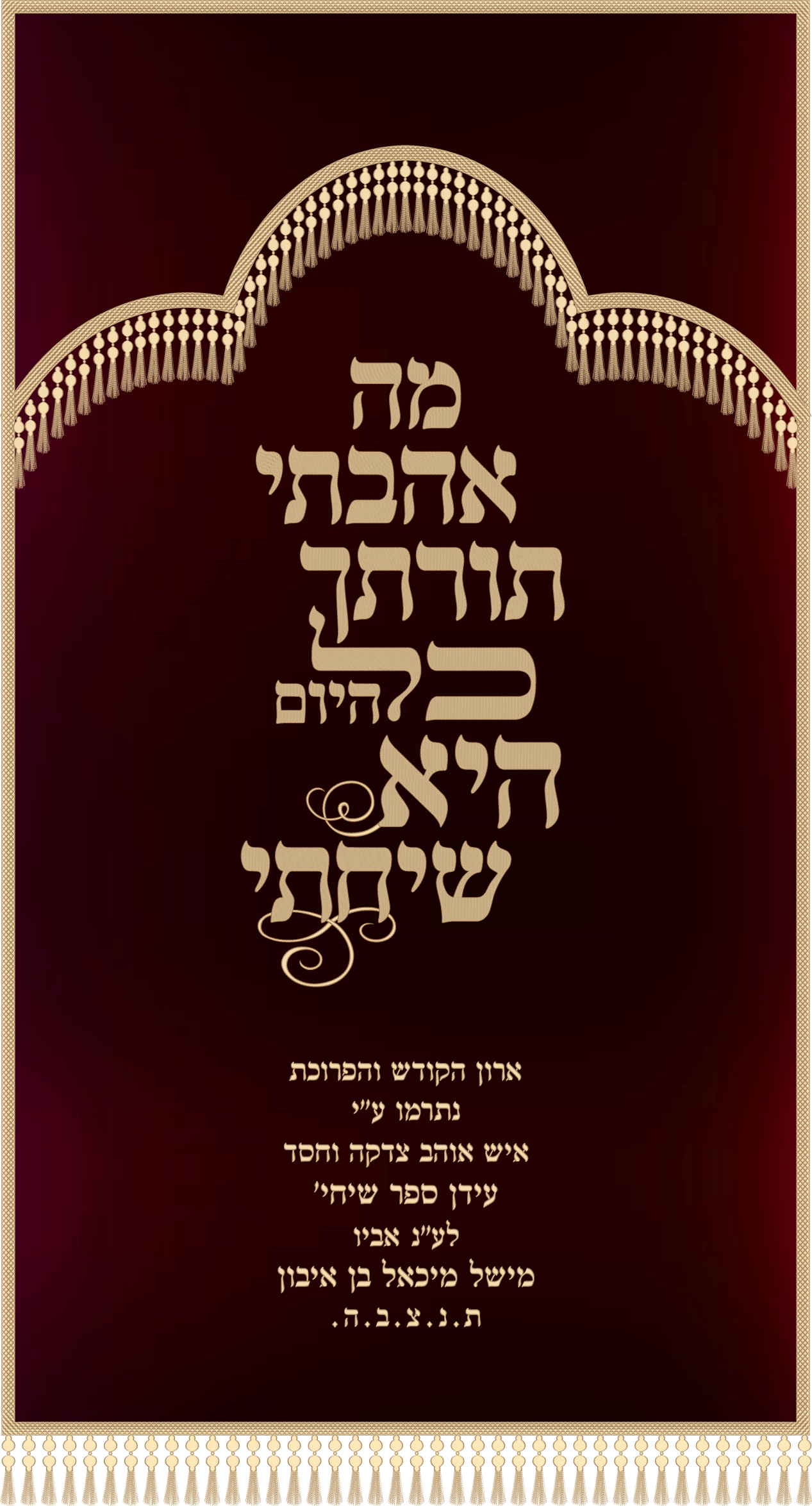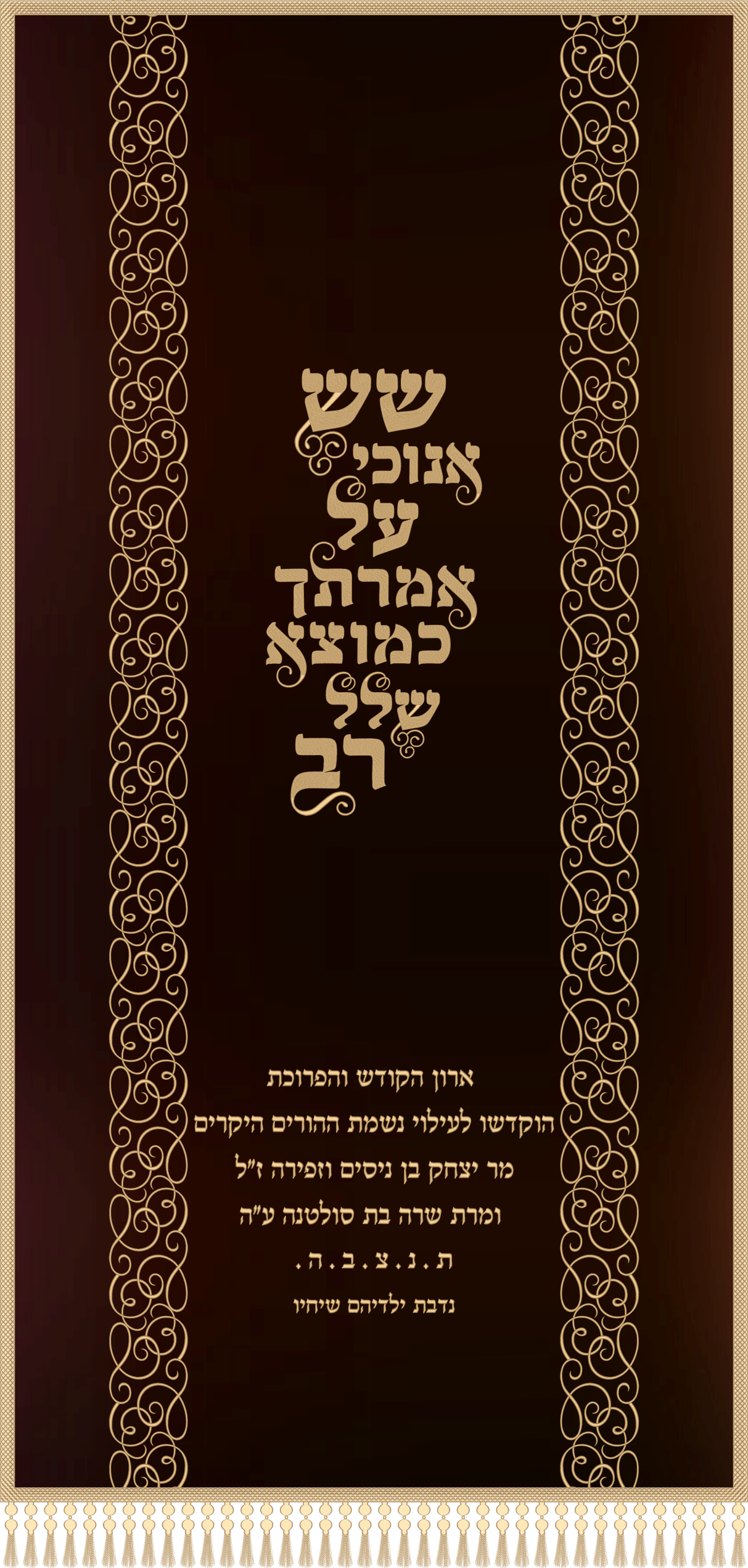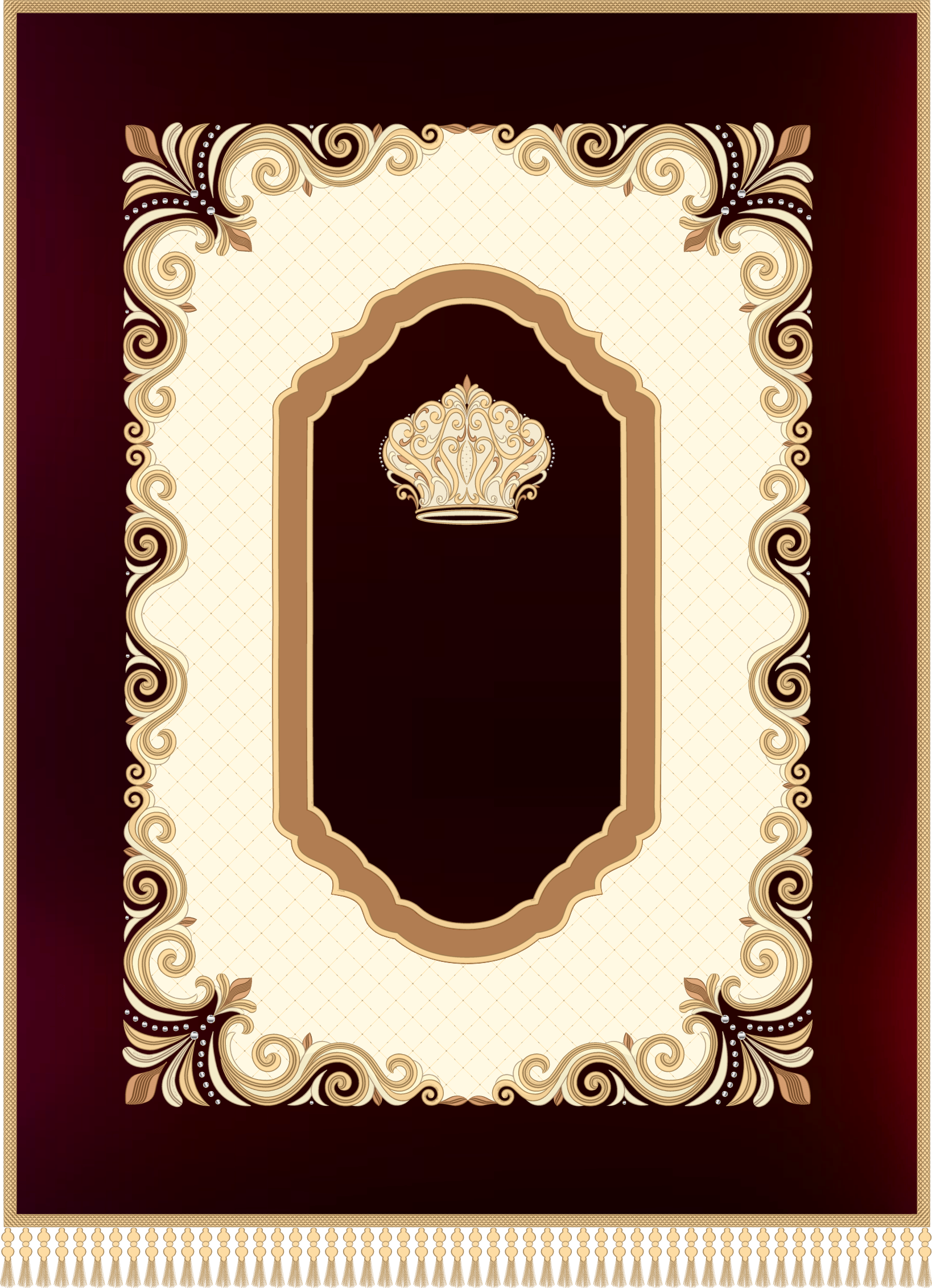

An Aron Kodesh (ארון קודש) is the sacred cabinet or wall niche in a synagogue that holds the Torah scrolls, almost always positioned at the front of the sanctuary and oriented toward Jerusalem. More than a storage space, the ארון קודש functions as the visual and spiritual anchor of communal prayer, drawing the gaze and attention of the congregation toward the Torah at the center of Jewish life. Its design, from the embroidered curtain on its doors to the light that burns beside it, carries centuries of tradition into every synagogue that houses one.
In Brief
- An Aron Kodesh is the cabinet or recessed niche that holds a synagogue's Torah scrolls, typically set into the wall facing Jerusalem.
- Its exterior is usually covered by a parochet, an embroidered curtain that signals the sanctity of what is kept inside.
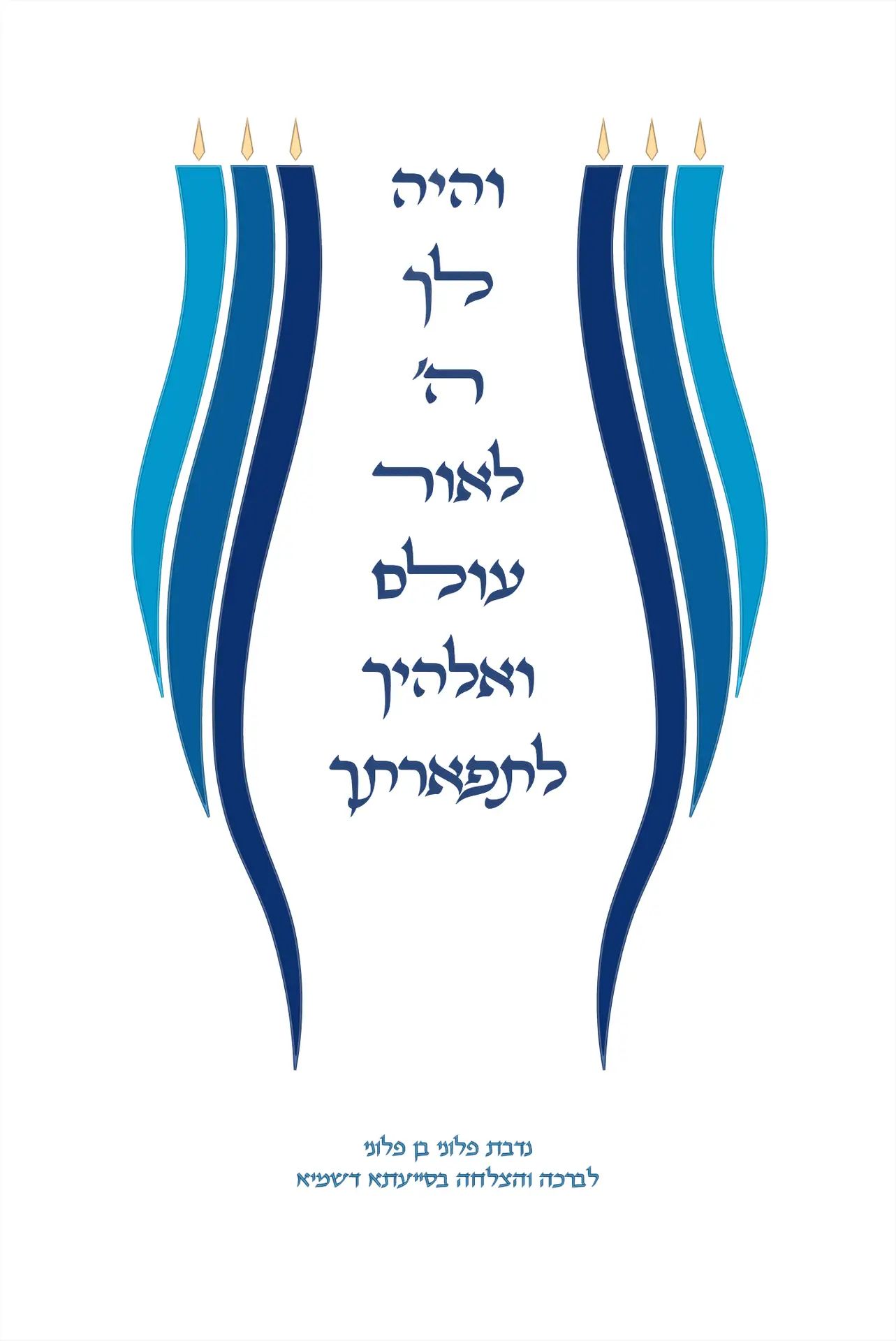
- Many synagogues keep a ner tamid, a continually burning light, near the ark as a reminder of the Temple's eternal flame.
- The specific design, materials, and layout of an Aron Kodesh often reflect the customs of a particular community, whether Ashkenazi, Sephardic, or Yemenite.
Why Does Every Synagogue Center Itself Around an ארון קודש?
An ארון קודש is the fixed cabinet or built-in niche that gives the Torah scrolls a dignified, protected home, and it is this object – not the pulpit, not the seating – that organizes the layout of a traditional sanctuary. Congregants rise when its doors open, face it during key prayers, and build the architecture of the room around its placement. This is why, across very different communities and centuries, the ark has remained the one constant point of reference inside the synagogue.
The Parts That Make Up a Traditional Aron Kodesh
Several recognizable elements make up a traditional ארון קודש, each adding its own layer of meaning and beauty:
- Doors: solid panels, often carved or paneled wood, that open to reveal the scrolls during the service.
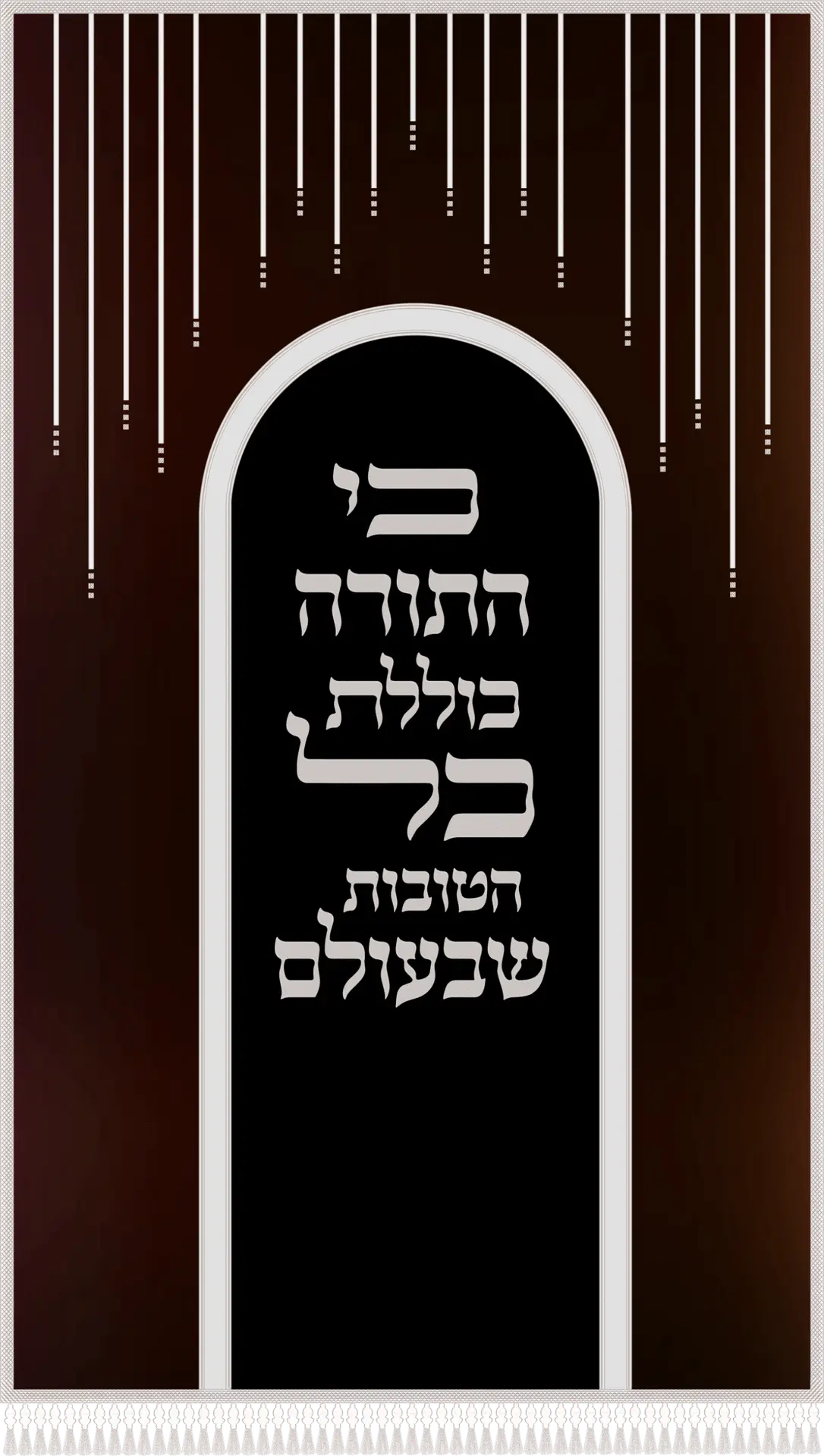
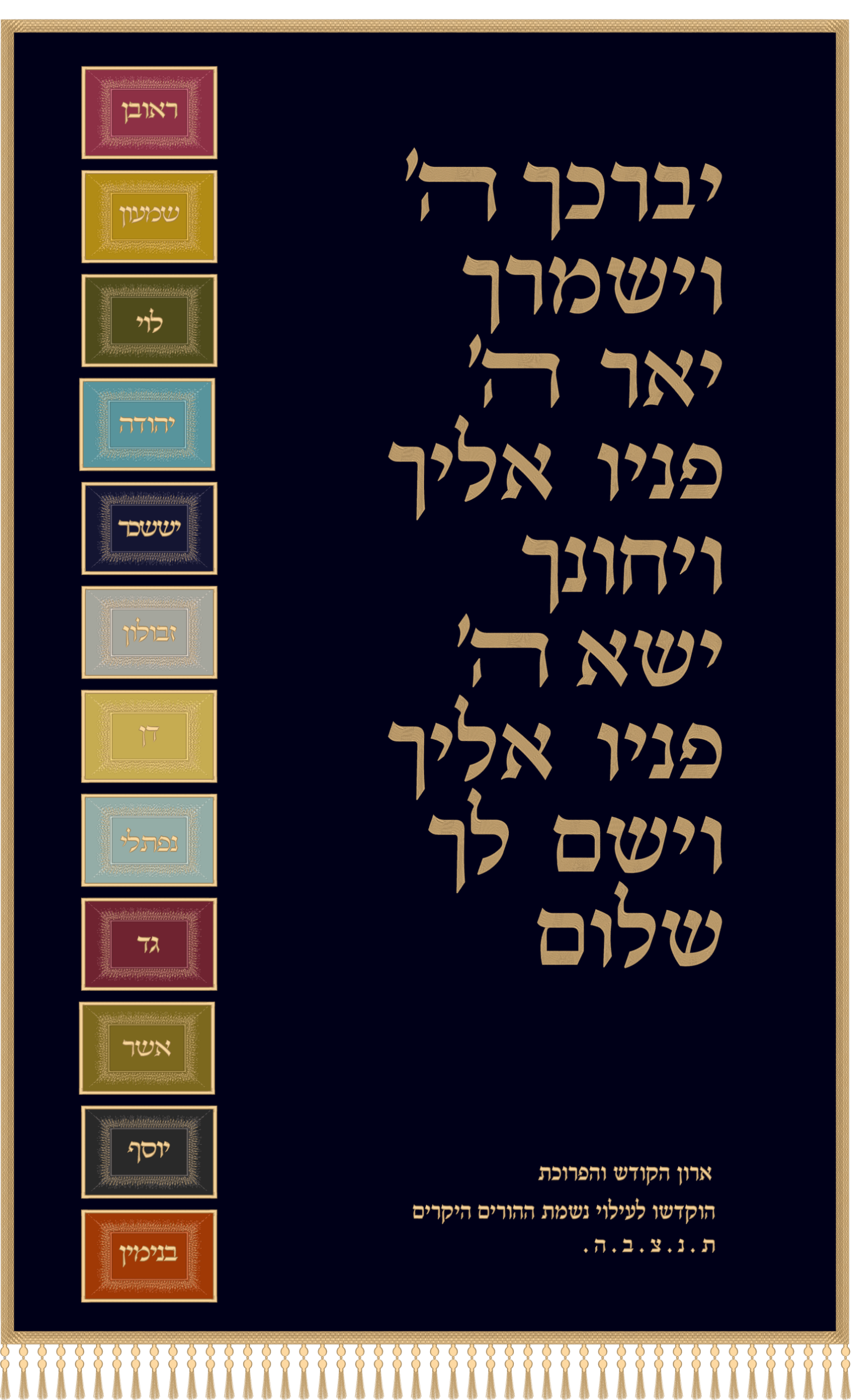
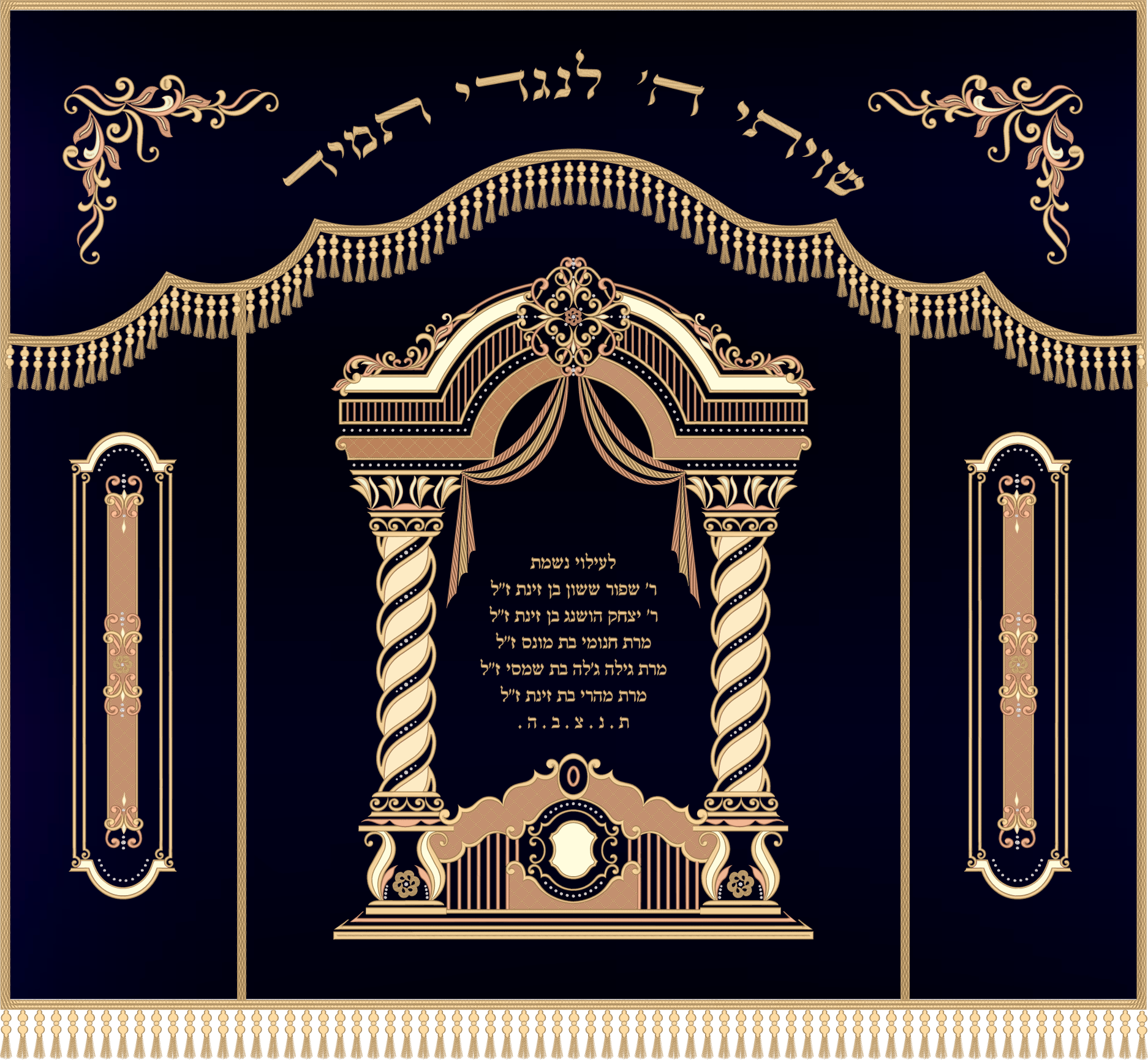
- Parochet: an embroidered curtain hung over or inside the doors, frequently decorated with motifs such as crowns, tablets, or a menorah.
- Ner Tamid: the ever-burning light positioned near or above the ark.
- Crown or Keter ornament: a decorative crown placed atop the structure, symbolizing the "crown of Torah."
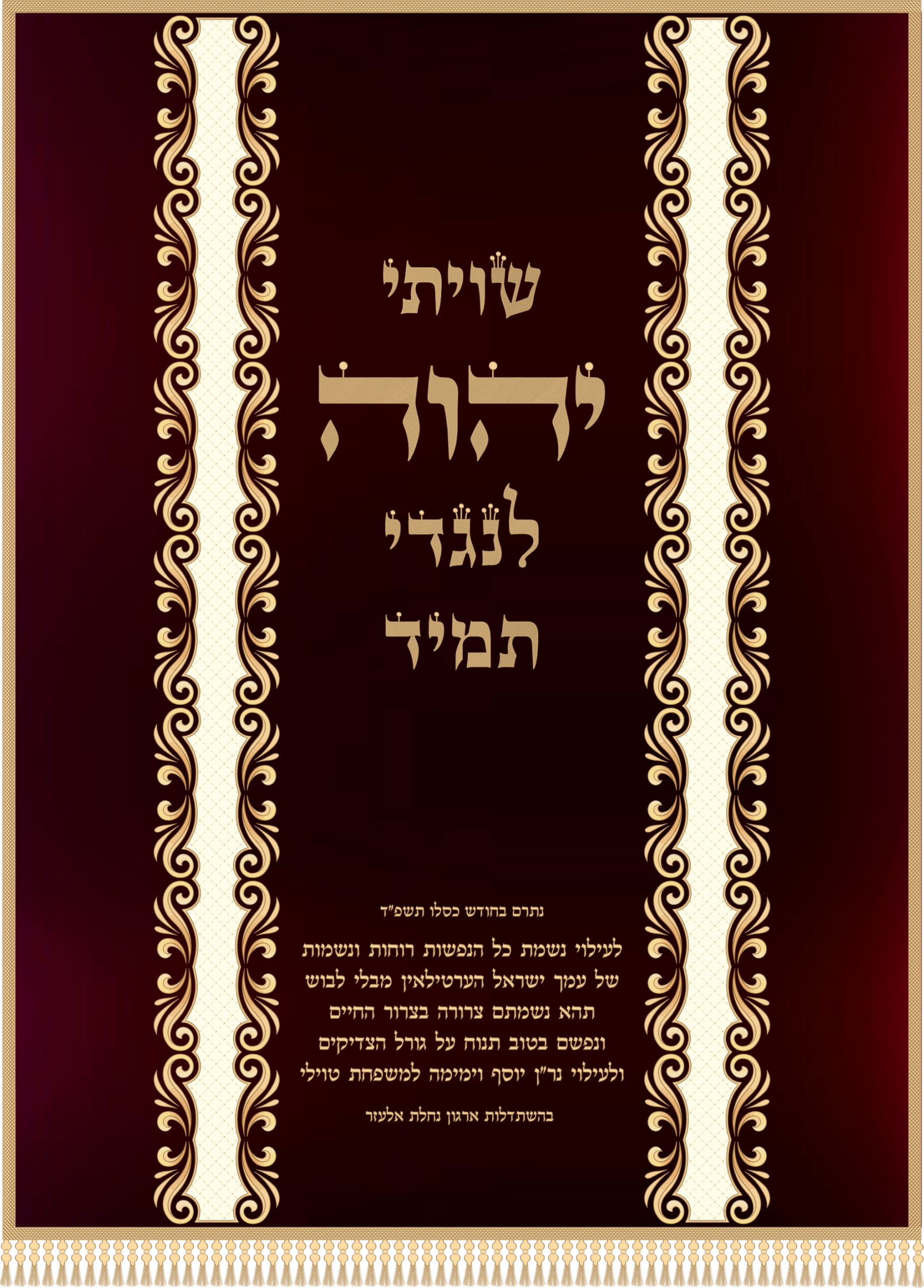
Congregations often choose curtain designs that echo these themes; a crowned parochet design or a curtain featuring the Tablets of the Covenant with a golden menorah are two common ways communities express these symbols on the ark's covering.
Where Is an Aron Kodesh Positioned, and Why?
In most communities, the ark is built into the wall facing Jerusalem, so that worshippers praying toward it are also facing the holy city. It is usually elevated on a small platform, set apart from the bimah where the Torah is read, and approached by a few steps that mark the transition into sacred space. This orientation and separation are not decorative choices; they reflect a long-standing custom of directing prayer toward Jerusalem that is documented across Jewish sources, including general overviews such as the Wikipedia entry on the Torah ark.
Materials and Craftsmanship Traditions
The structure itself is commonly built from wood, sometimes with carved or gilded detailing, while the curtain covering it is worked in silk, velvet, or combined fabrics with raised or metallic embroidery. At Hichala (היכלא), each parochet is hand-embroidered to complement the proportions and character of a congregation's ark, so that the finished piece feels custom-made for that specific sanctuary rather than generic. Communities exploring design ideas for their own ark covering can browse our gallery of parochot for a sense of the range of styles available.
| Element | Role | Typical Material |
|---|---|---|
| Parochet | Covers the ark doors; signals sanctity | Silk, velvet, embroidered fabric |
| Ner Tamid | Ever-burning light beside the ark | Metal fixture, oil or electric lamp |
| Ark Doors | Protect and conceal the scrolls | Wood, sometimes carved or gilded |
| Keter (Crown) | Decorative crown symbolizing the Torah's honor | Carved wood or metalwork |
Choosing or Renewing an Aron Kodesh Covering
Congregations building a new sanctuary or refreshing an older one often start by selecting a parochet, since the curtain is the most visible and changeable part of the ensemble. Points worth considering include:
- The existing architectural style of the ark, so the curtain's colors and proportions sit naturally against it.
- Any communal custom – Ashkenazi, Sephardic, or Yemenite – that favors particular motifs or fabrics.
- Whether the covering will be swapped for different holidays or remain a single year-round design.
- The craftsmanship and durability of the embroidery, since a well-made curtain is meant to last for years of regular use.
Frequently Asked Questions
What is the difference between an Aron Kodesh and a parochet?
The Aron Kodesh is the cabinet or niche itself that holds the Torah scrolls, while the parochet is the embroidered curtain that covers or hangs over it.
Which direction does an Aron Kodesh typically face?
It is customarily built into the wall facing Jerusalem, so that congregants praying toward the ark are also facing the holy city.
Can an Aron Kodesh have more than one curtain?
Yes, many congregations keep a set of curtains and rotate them for the High Holidays, festivals, and ordinary Shabbatot.
From its placement facing Jerusalem to the embroidered curtain that dresses its doors, the ארון קודש brings together architecture, custom, and craftsmanship into a single focal point of the synagogue. Whether a community is designing a sanctuary from scratch or simply renewing its ark's covering, understanding these elements helps ensure the result honors both tradition and the specific character of the room it serves.