
Sifriyot Kodesh (ספריות קודש) are the sacred libraries of holy books — Tanach, Talmud, halachic works, and commentary — that a synagogue, yeshiva, or Jewish home gathers and treats with special respect. They matter because the way these volumes are housed, arranged, and cared for reflects how seriously a community takes the Torah study that happens in that space. Nearly every shul ends up with more than one such collection, each tucked near the seats where its particular books are used most.

In brief
- Sifriyot Kodesh (ספריות קודש) are organized collections of sacred Jewish books, from Tanach and Talmud to halacha and chassidut, housed in a synagogue, yeshiva, or home.
- Most communities end up maintaining more than one such library, since a shul's main sanctuary, study hall, and women's section often each need their own shelves.
- A well-run sacred library groups books by category, sets aside worn volumes for genizah, and keeps the most-used texts within easy reach.
- Caring for a sifriyat kodesh is widely seen as an expression of respect for Torah learning, much like the care given to the aron kodesh and its parochet.
What Are Sifriyot Kodesh (ספריות קודש)?
A sifriyat kodesh is simply a dedicated collection of holy books, assembled and arranged so a community can learn from them with dignity and ease. The plural, ספריות קודש, reflects the fact that most institutions end up building several such collections rather than one single shelf: a main study library for the beit midrash, a smaller set of Tehillim and siddurim near the seats, and sometimes a reference collection of halachic works kept by the rabbi or gabbai. Each library serves a distinct purpose, yet all are treated with the same basic respect given to any sefer containing the words of Torah.
Why Communities Build More Than One Sacred Library
Most Jewish institutions end up building more than one sacred library because communal life itself is spread across several rooms. A synagogue's main sanctuary, its daily minyan room, its women's gallery, and an adjoining yeshiva or kollel each tend to accumulate their own set of sefarim over the years, usually through personal donations and memorial dedications. Over time these separate shelves grow into their own ספריות קודש, each with a slightly different character depending on who learns there and what they tend to study.
Core Categories Within a Sifriyat Kodesh
Most sacred libraries, however many rooms they are spread across, organize their books into a handful of recurring categories, which makes it far easier for a learner to find what they need without disturbing other volumes.
| Category | Typical Books | Common Setting |
|---|---|---|
| Tanach & commentary | Chumash, Nevi'im, Ketuvim, classic meforshim | Study hall, home library |
| Talmud & halacha | Mishnah, Gemara, Shulchan Aruch, responsa | Beit midrash, yeshiva |
| Tefillah & Tehillim | Siddurim, machzorim, Tehillim | Sanctuary seating area |
| Chassidut & mussar | Likutei Torah, mussar classics | Home or shtiebel |
Digital projects such as Sefaria's online library now let learners access many of these same texts from anywhere, though most congregations still keep physical sefarim close at hand for daily use.
Organizing and Caring for a Sacred Library
Caring for a sifriyat kodesh is an ongoing practice, not a one-time setup project. A few habits help any community keep its ספריות קודש dignified and genuinely useful.
- Keep sefer categories consistent across shelves, so a Gemara stays near other Gemaras rather than scattered by size or color.
- Set aside a dedicated spot for worn or torn books awaiting genizah, rather than returning them to the main shelves.
- Label shelves clearly, especially in a shared space where visitors and guests may be unfamiliar with the collection's layout.
- Dust and inspect bindings seasonally, particularly before the Yamim Noraim and other periods of heavy use.
- Involve the community in dedications, since many sefarim enter a sifriyat kodesh as a gift in someone's memory.
Sacred Libraries and the Beauty of the Synagogue
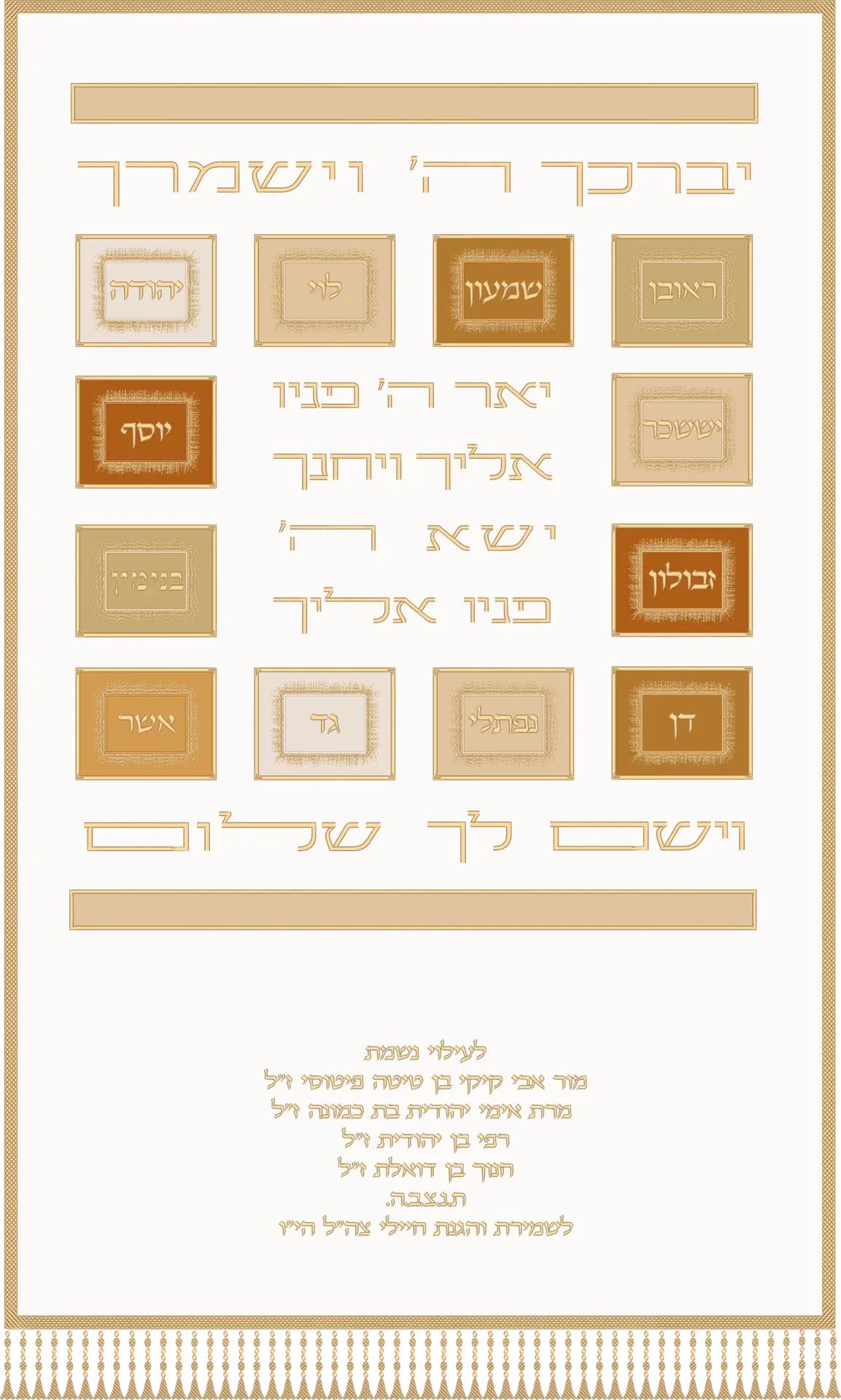
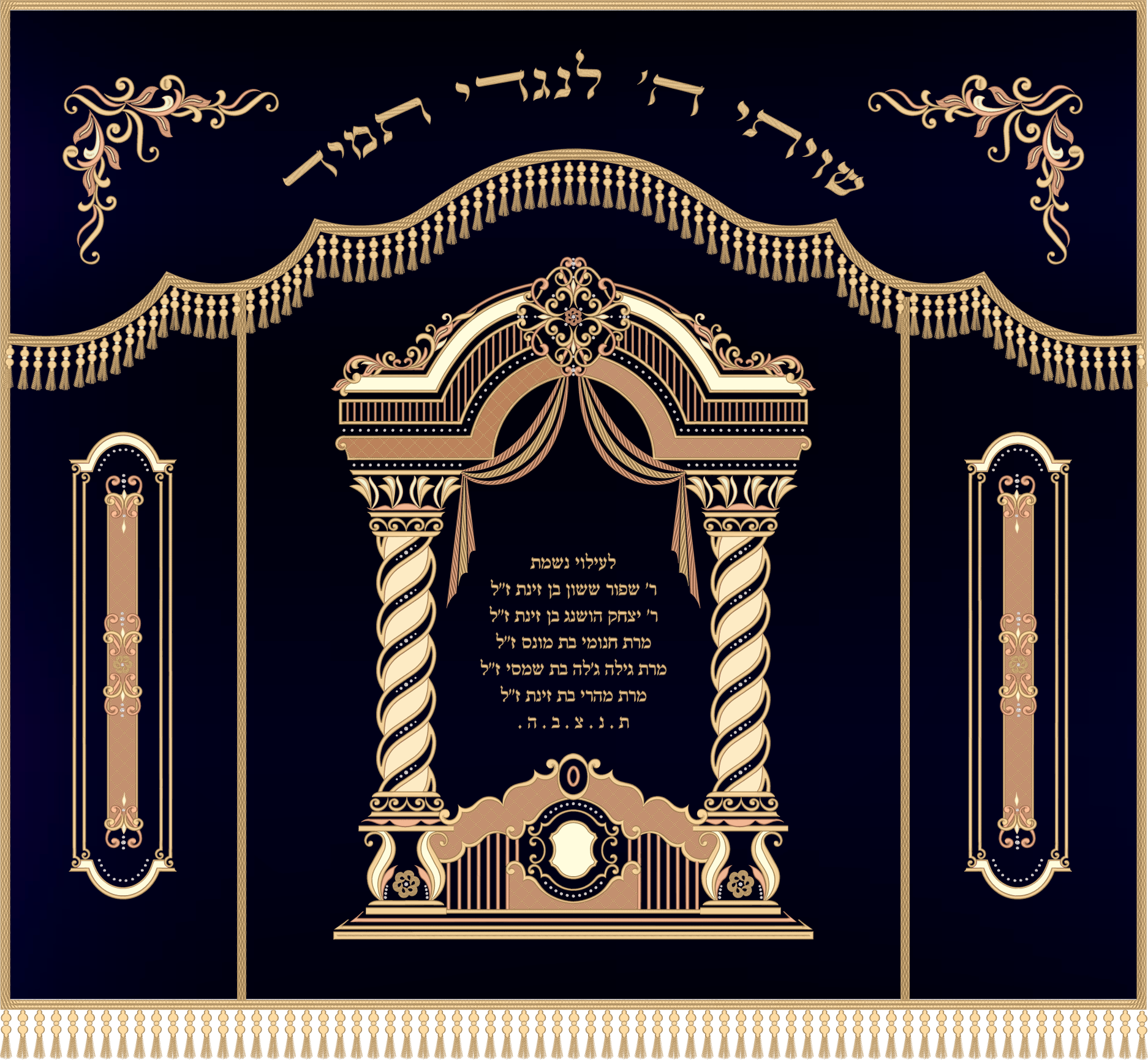
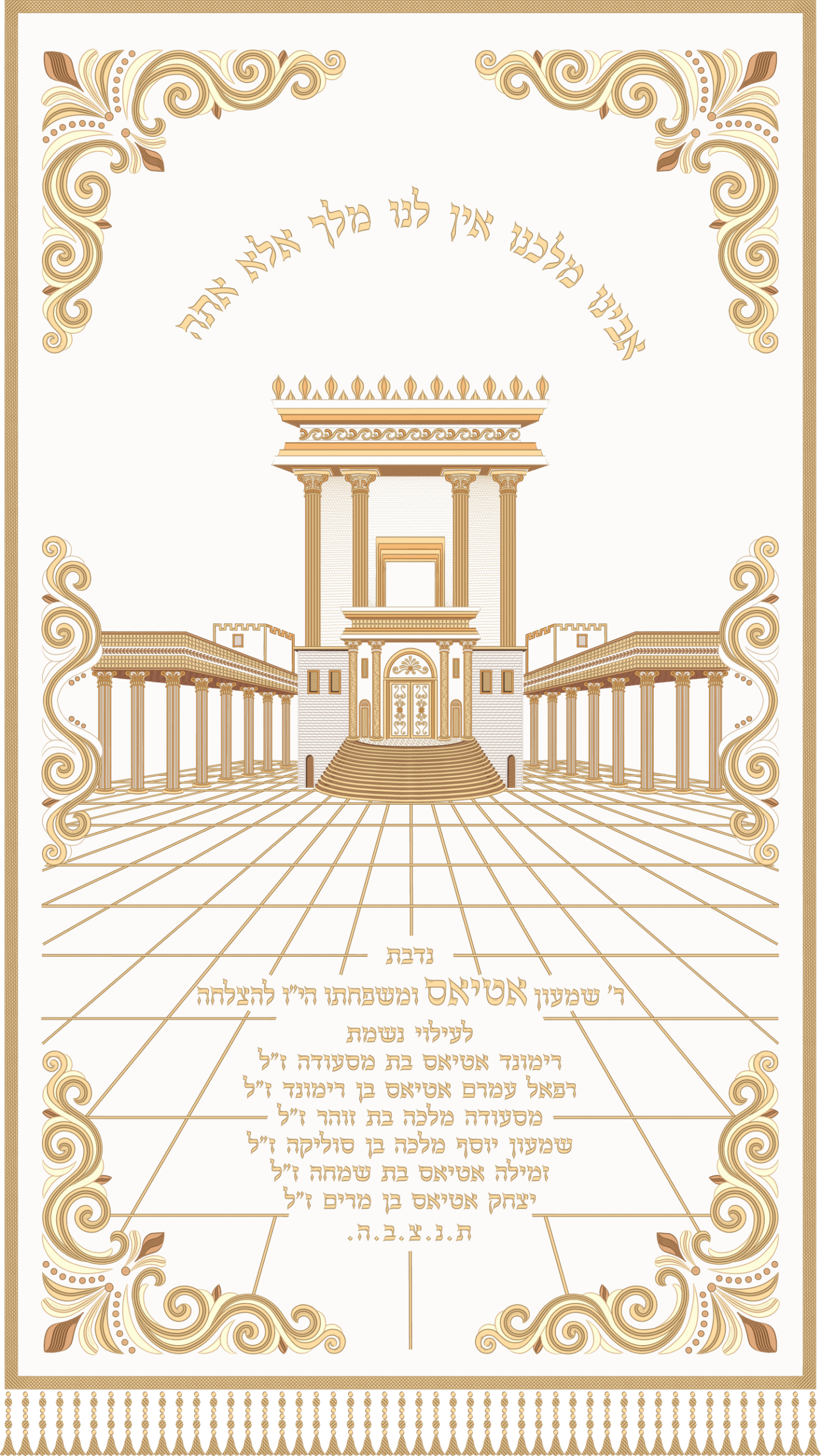
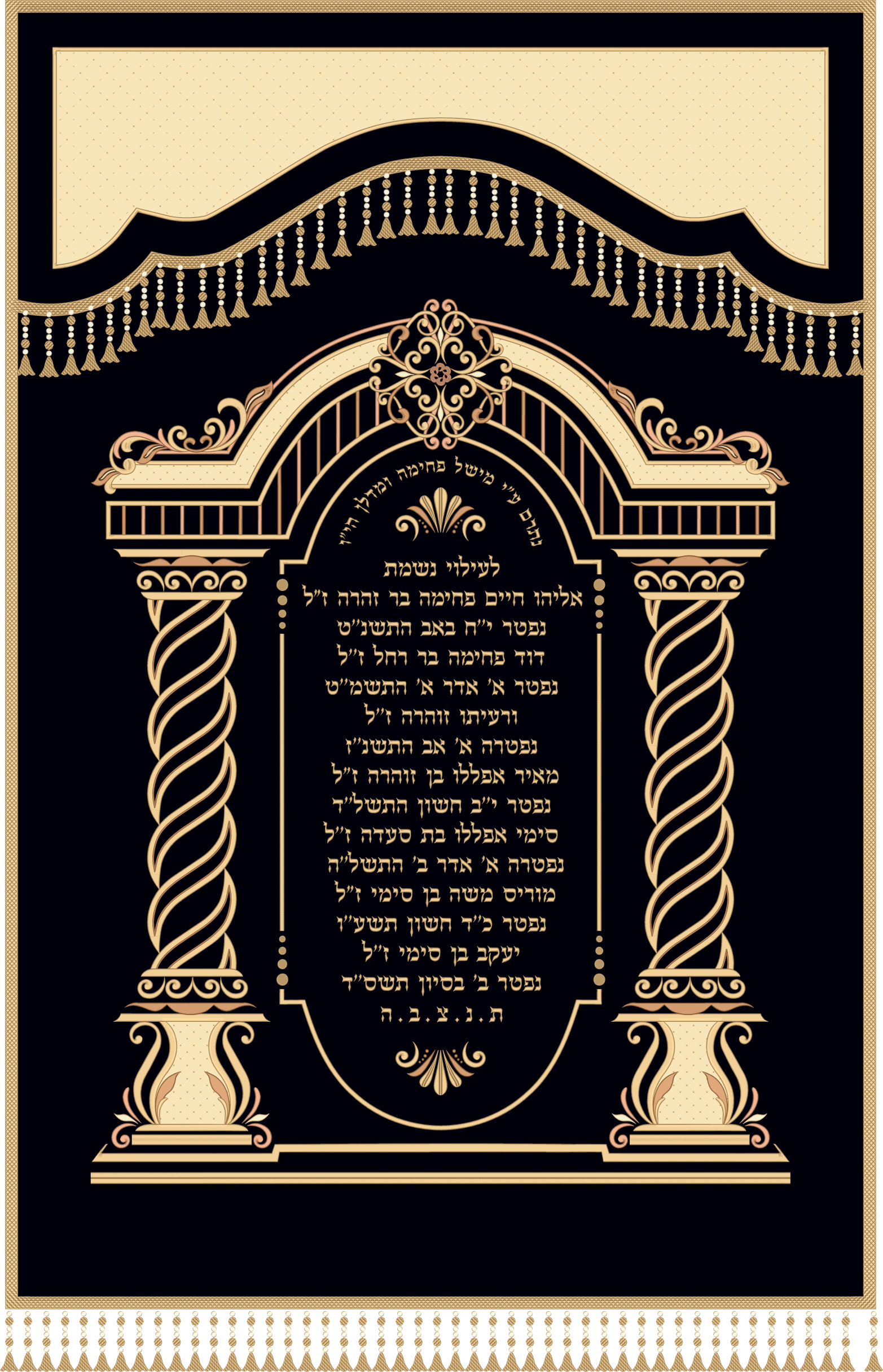
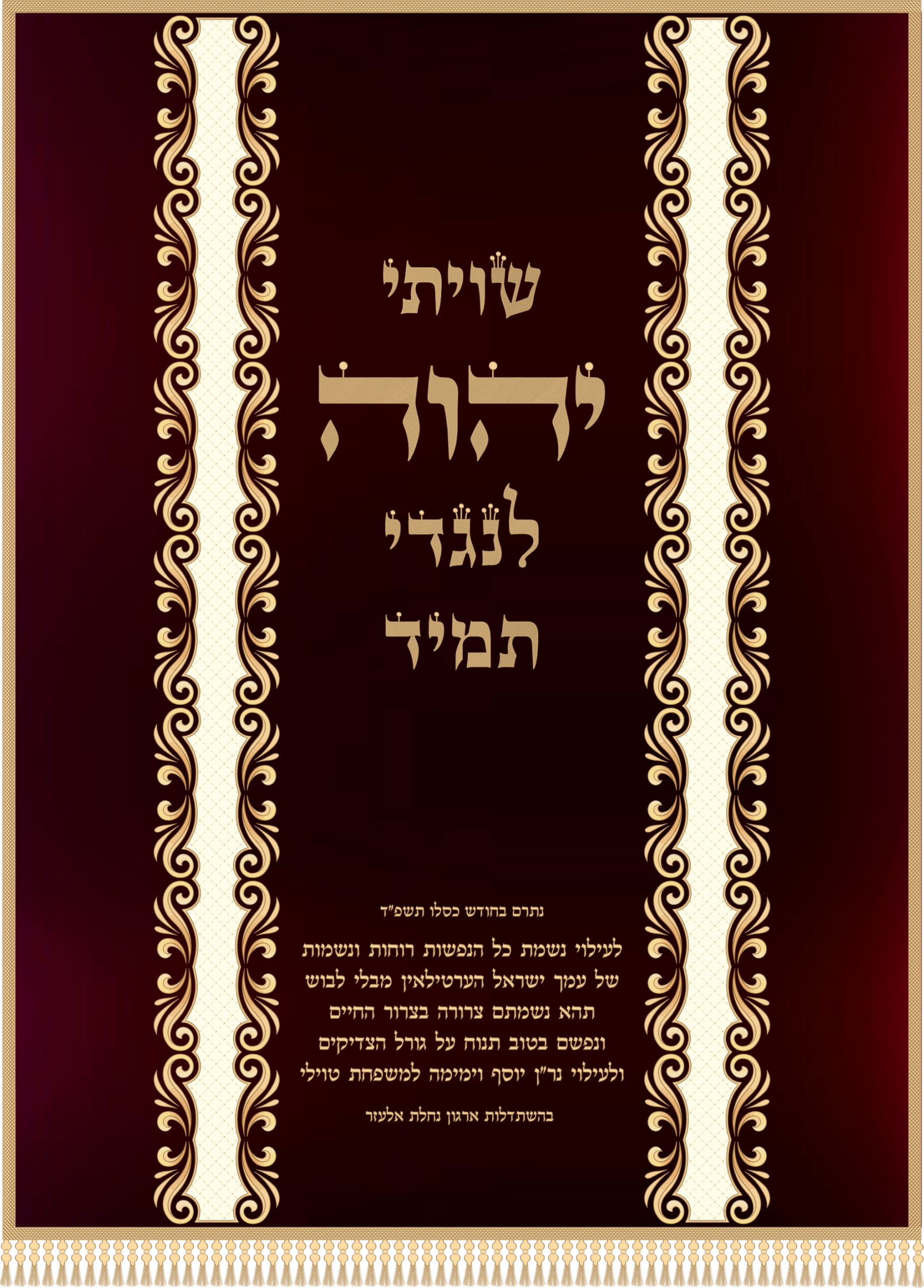
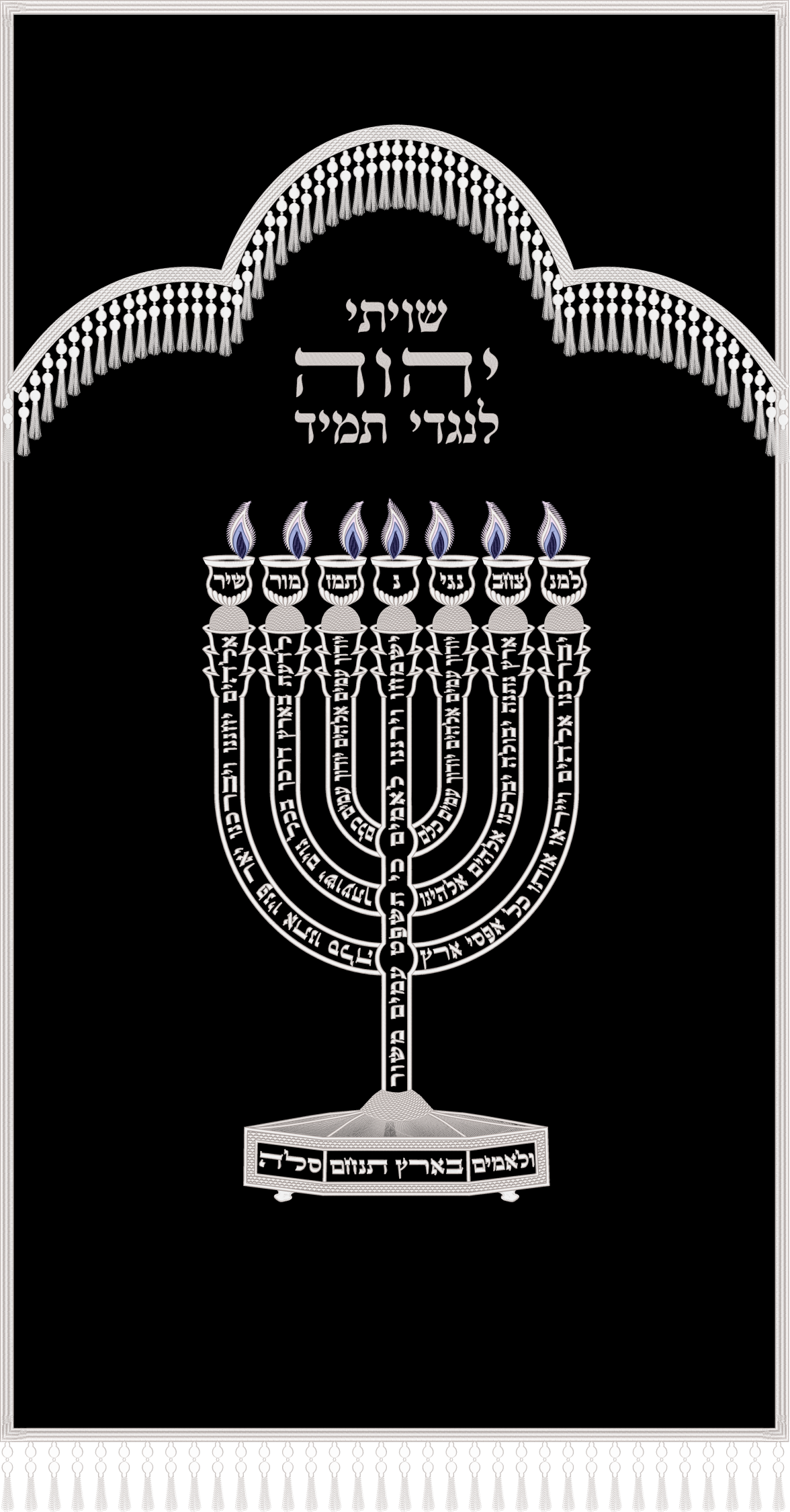
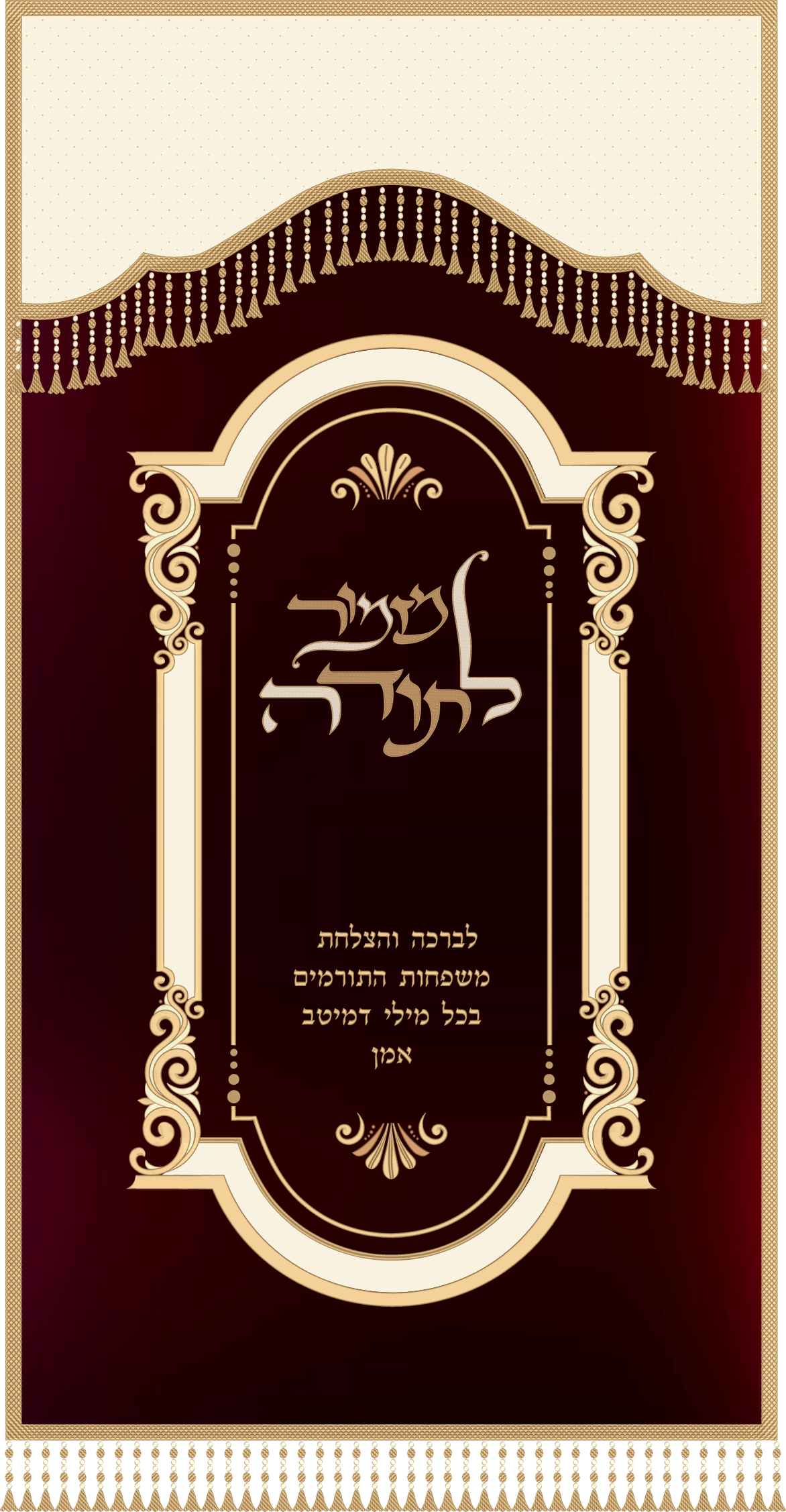
A sacred library and the aron kodesh usually share the same room, which is why many congregations dress both with equal care. Hichala (היכלא) hand-embroiders ark curtains that reflect this same devotion to detail, and congregations that invest in a well-organized sifriyat kodesh often extend that same attention to the textiles surrounding their aron kodesh — curtains such as the Shim Shalom parochet or the crowned parochet are designed to match the dignity of a room filled with sacred books. For more ideas on dressing the ark to complement a sanctuary's sefarim, browse our gallery of parochot.
Frequently Asked Questions
What is the difference between a sifriyat kodesh and a sifriyot kodesh?
Sifriyat kodesh is the singular form, describing one sacred library, while sifriyot kodesh is the plural, referring to the several such collections a community or institution may maintain across different rooms.
Who usually donates books to a sifriyat kodesh?
Many sefarim enter a sacred library as gifts from individual families, often dedicated in memory of a loved one or in honor of a simcha, alongside sets purchased directly by the synagogue or yeshiva.
What happens to worn-out holy books from a sacred library?
Torn or unusable sacred texts are traditionally set aside for genizah rather than discarded with regular trash, reflecting the respect given to any book containing the name of God or words of Torah.
Whether spread across a single shelf or several rooms, ספריות קודש give a community a tangible, daily connection to Torah learning. Building and maintaining them well — alongside a cared-for aron kodesh and parochet — is one more quiet way a congregation honors the texts that sustain it.