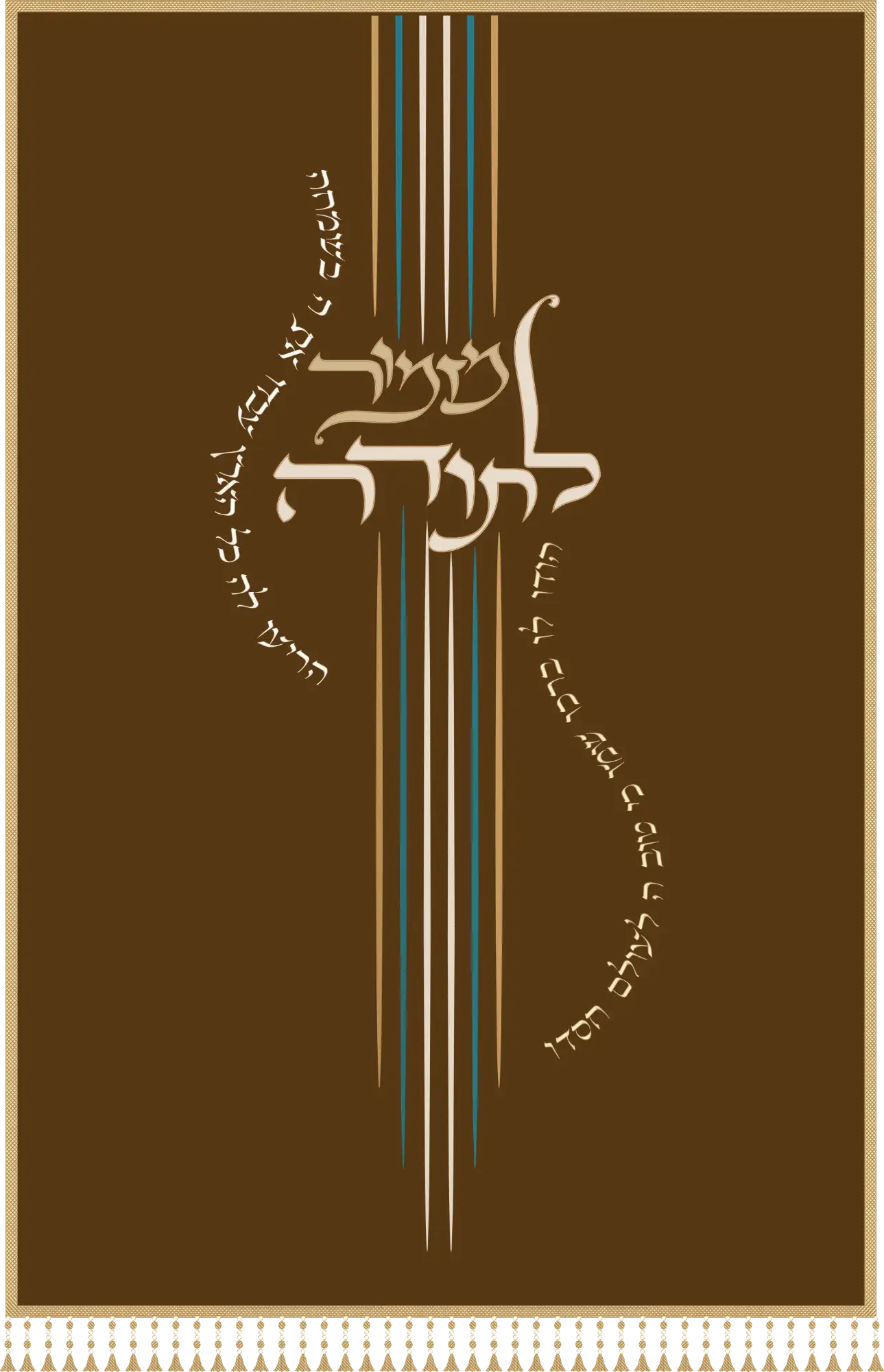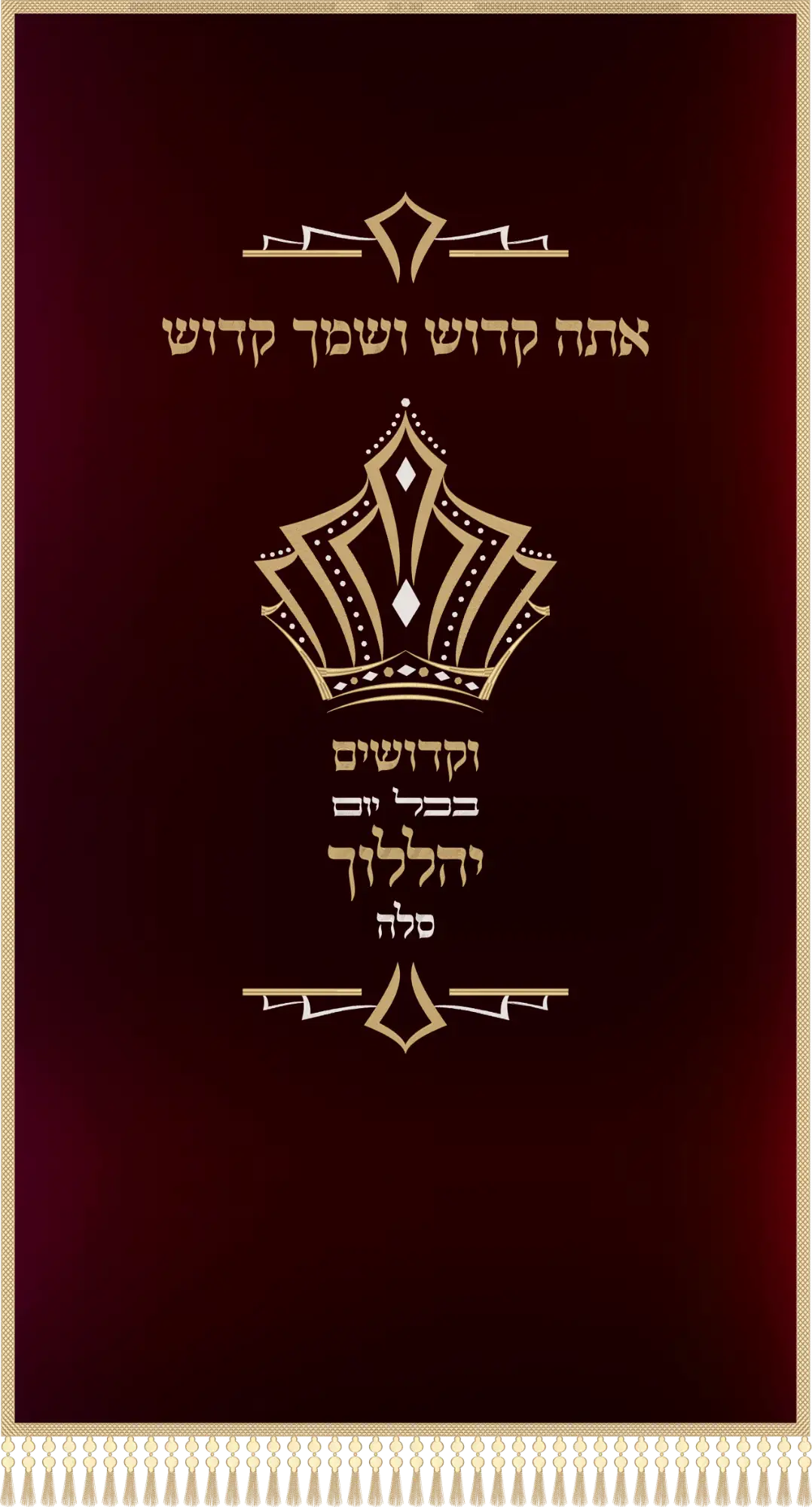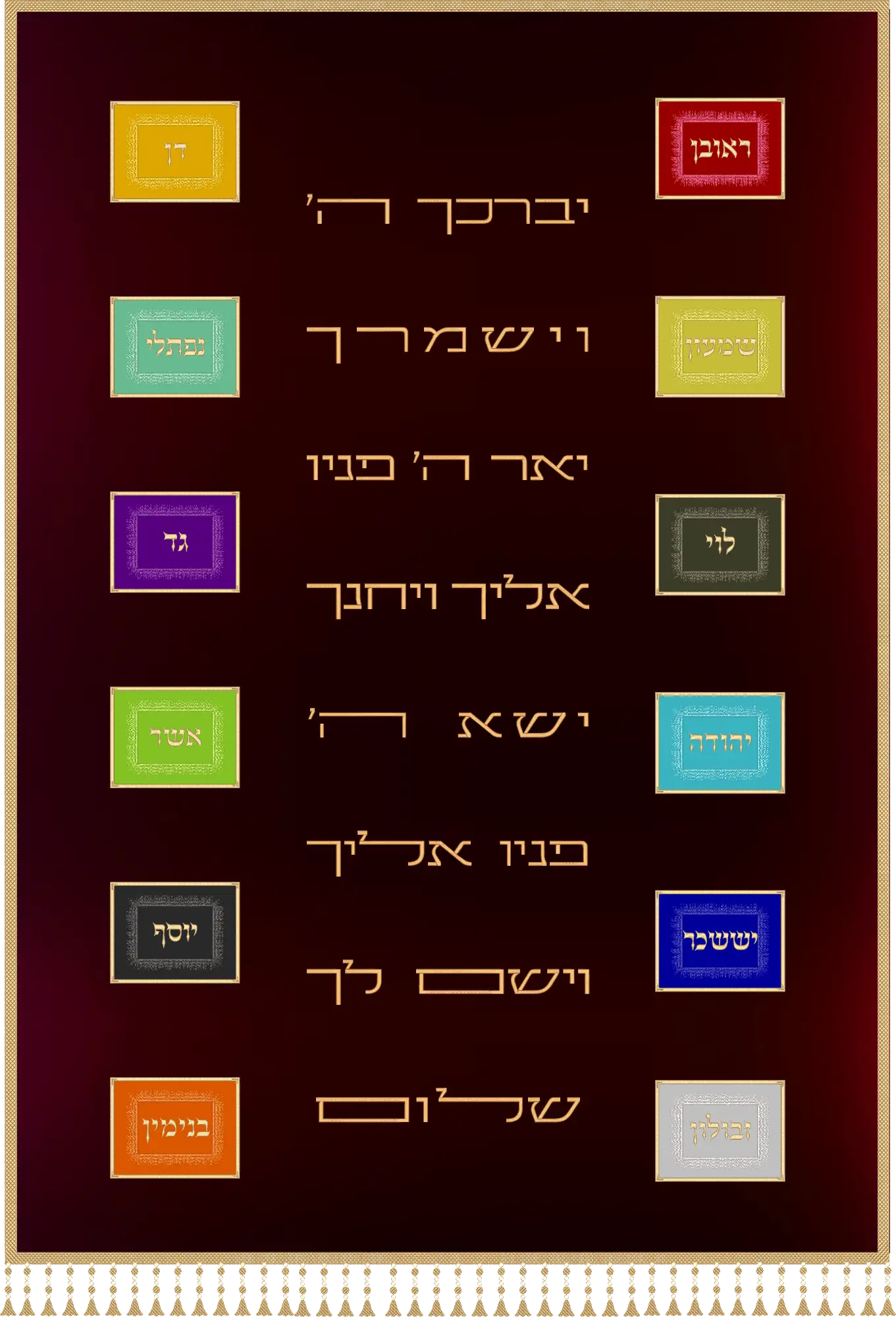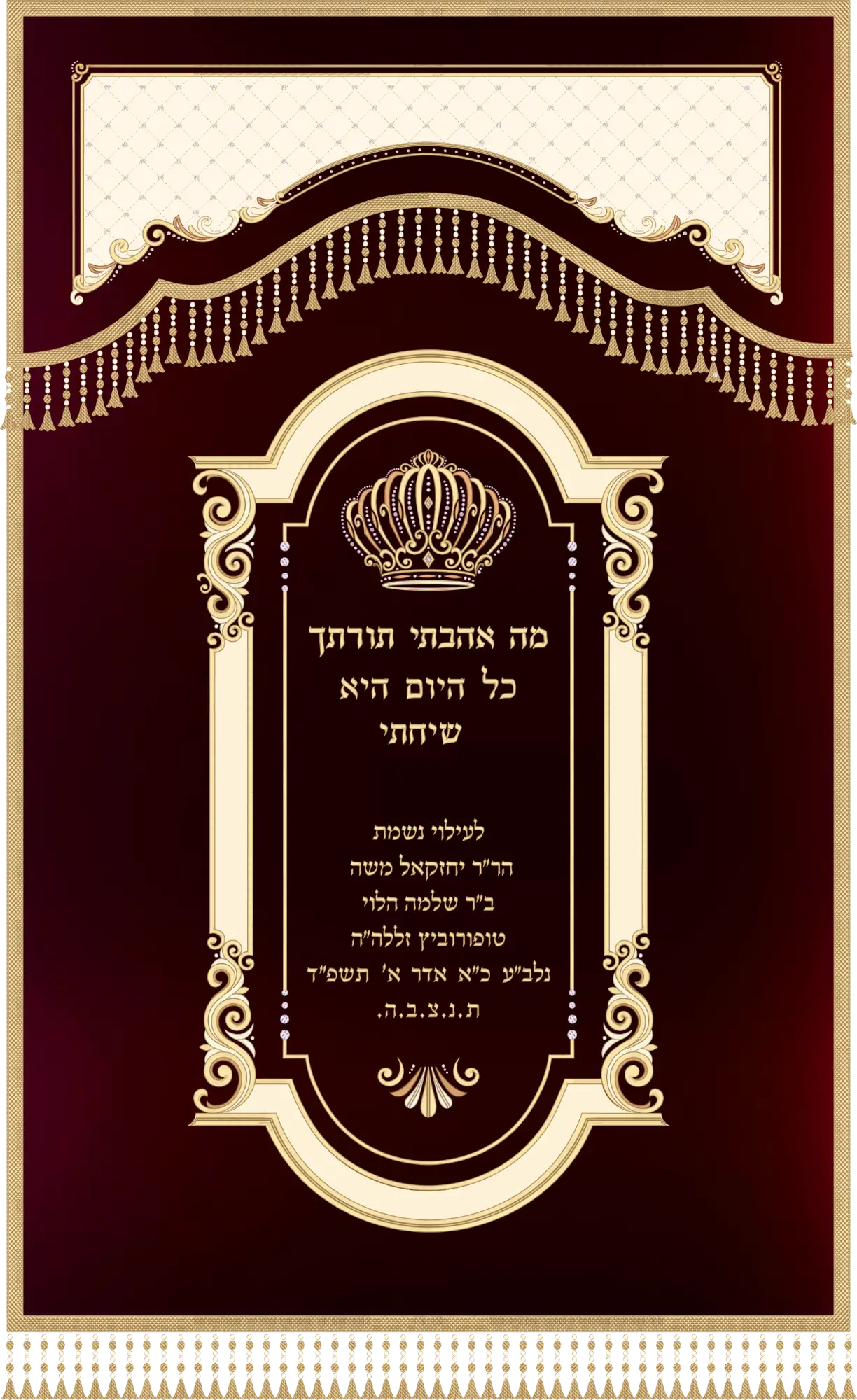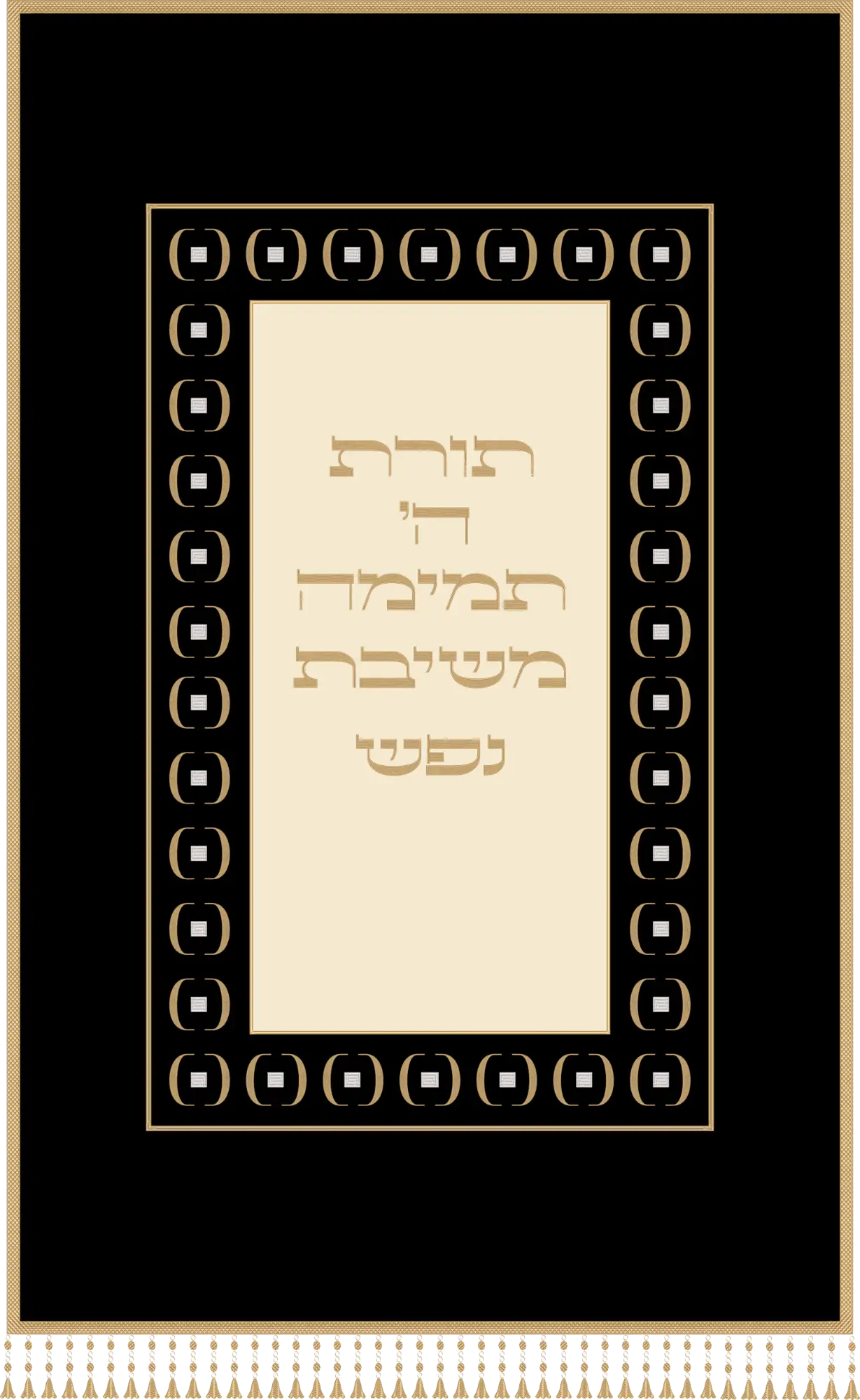

A מפעל לייצור פרוכות is a workshop or small manufacturing house dedicated to designing and hand-crafting parochot – the decorative curtains that cover the Torah ark in a synagogue. Because a parochet is meant to last for generations and carries real symbolic weight, the workshop behind it matters almost as much as the fabric or motif chosen. Understanding how these workshops operate can help a synagogue committee, gabbai, or private donor choose a parochet that will be both beautiful and built to endure.
In Brief
- A מפעל לייצור פרוכות combines textile design, embroidery, and traditional symbolism to produce ark curtains for synagogues and private collections.
- Workshops differ widely in method – some rely on fully hand-embroidered work, while others combine machine stitching with hand finishing.
- Choosing the right workshop involves evaluating craftsmanship, fabric quality, customization options, and how clearly the team communicates during the commissioning process.
- Many synagogues order a parochet to mark a dedication, a yahrzeit, or a simcha, so a good workshop should welcome that personal meaning into the design from the start.
What Does a Mif'al LeYitzur Parochot (מפעל לייצור פרוכות) Actually Produce?
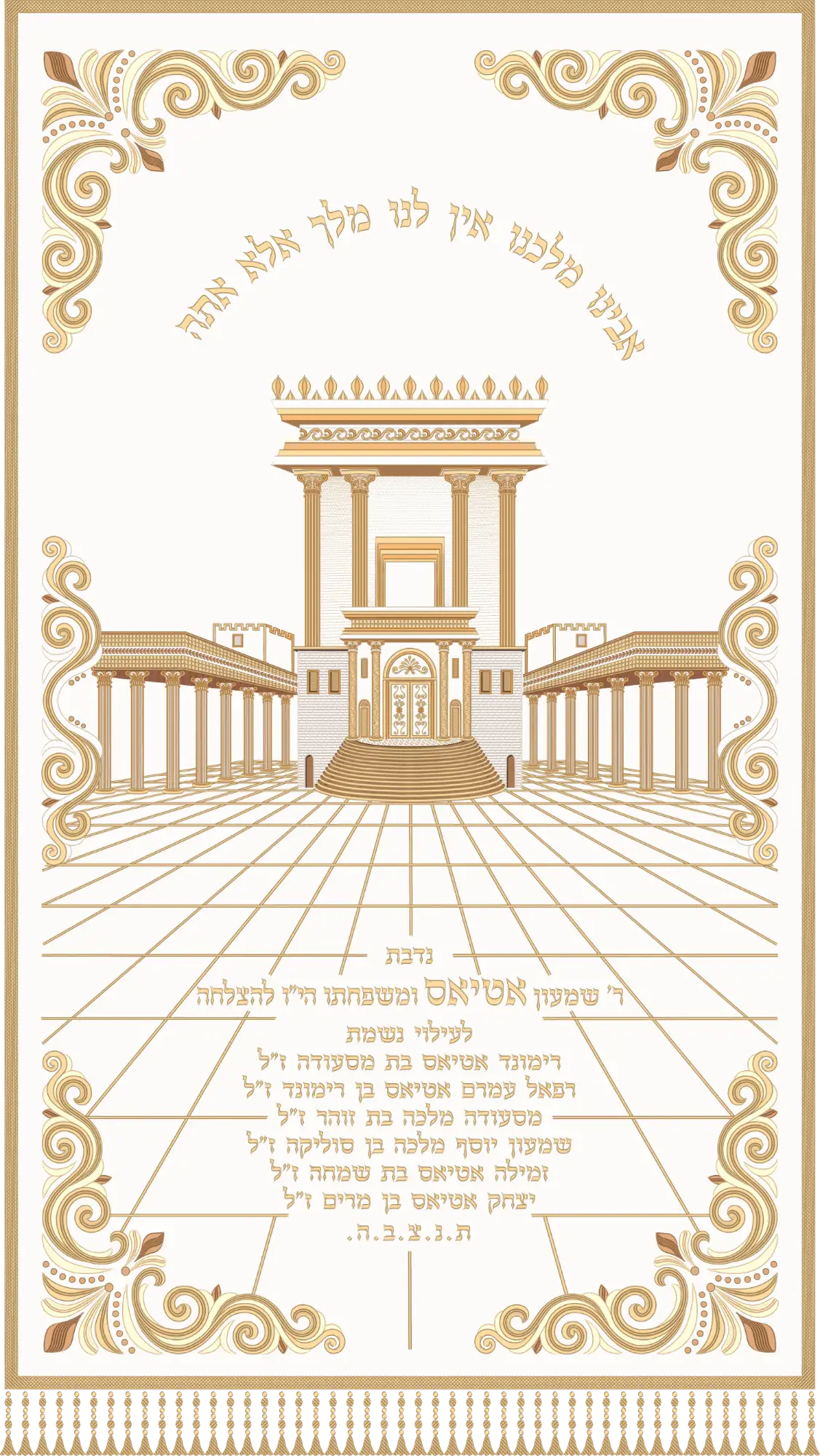
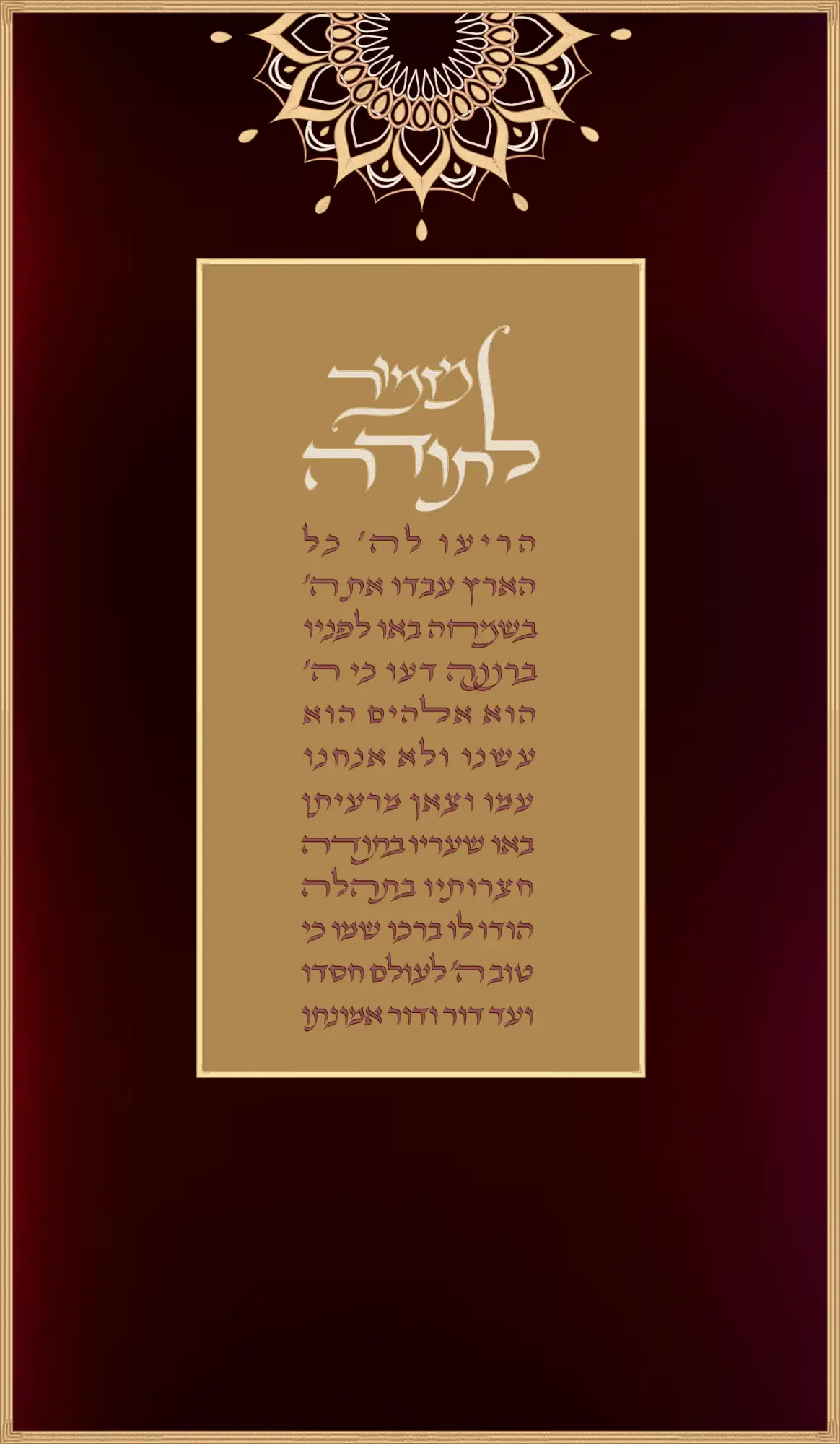
Such a workshop produces far more than a single style of curtain. Depending on the studio, output can range from classic gold-on-velvet designs to modern interpretations built around a single verse or motif. Many workshops also produce related items such as a Torah mantle, a bimah cover, or coordinating pieces for the ark, so that the whole heichal reads as one harmonious set. Browsing a finished example, such as the Beit Mikdash parochet with gold embroidery, gives a useful sense of how a workshop translates a concept – in this case, the Temple in Jerusalem – into finished fabric. For a broader sense of range, our gallery of parochot shows how the same basic craft can be applied to dozens of different themes.
Hand Embroidery vs. Machine-Assisted Work
Not every parochet-making workshop works the same way, and the method used affects both the look and the longevity of the finished piece. The table below outlines some general differences buyers often ask about.
| Aspect | Hand-Embroidered Approach | Machine-Assisted Approach |
|---|---|---|
| Texture and depth | Raised, dimensional stitching with visible handwork | Flatter, more uniform stitching |
| Design flexibility | Easier to adjust a motif mid-project | Changes typically require re-programming the design |
| Typical use case | Fully custom or heirloom-quality commissions | Standard designs produced more quickly |
Neither approach is inherently "better" for every synagogue – a small shul replacing a worn curtain quickly may have different priorities than a community commissioning a parochet to honor a founder's memory.
How to Choose the Right Mif'al LeYitzur Parochot (מפעל לייצור פרוכות) for Your Synagogue
Choosing the right workshop is easiest when a committee asks a short list of concrete questions before committing to a design. Consider going through the following in order:
- Ask to see finished work in person or in detailed photographs, not just design sketches.
- Clarify which parts of the process are done by hand and which are machine-assisted.
- Confirm how measurements are taken, since an ark opening's dimensions are rarely standard.
- Discuss how a dedication inscription or family name will be incorporated into the design.
- Ask about fabric options – velvet, silk, and blended textiles each age and drape differently.
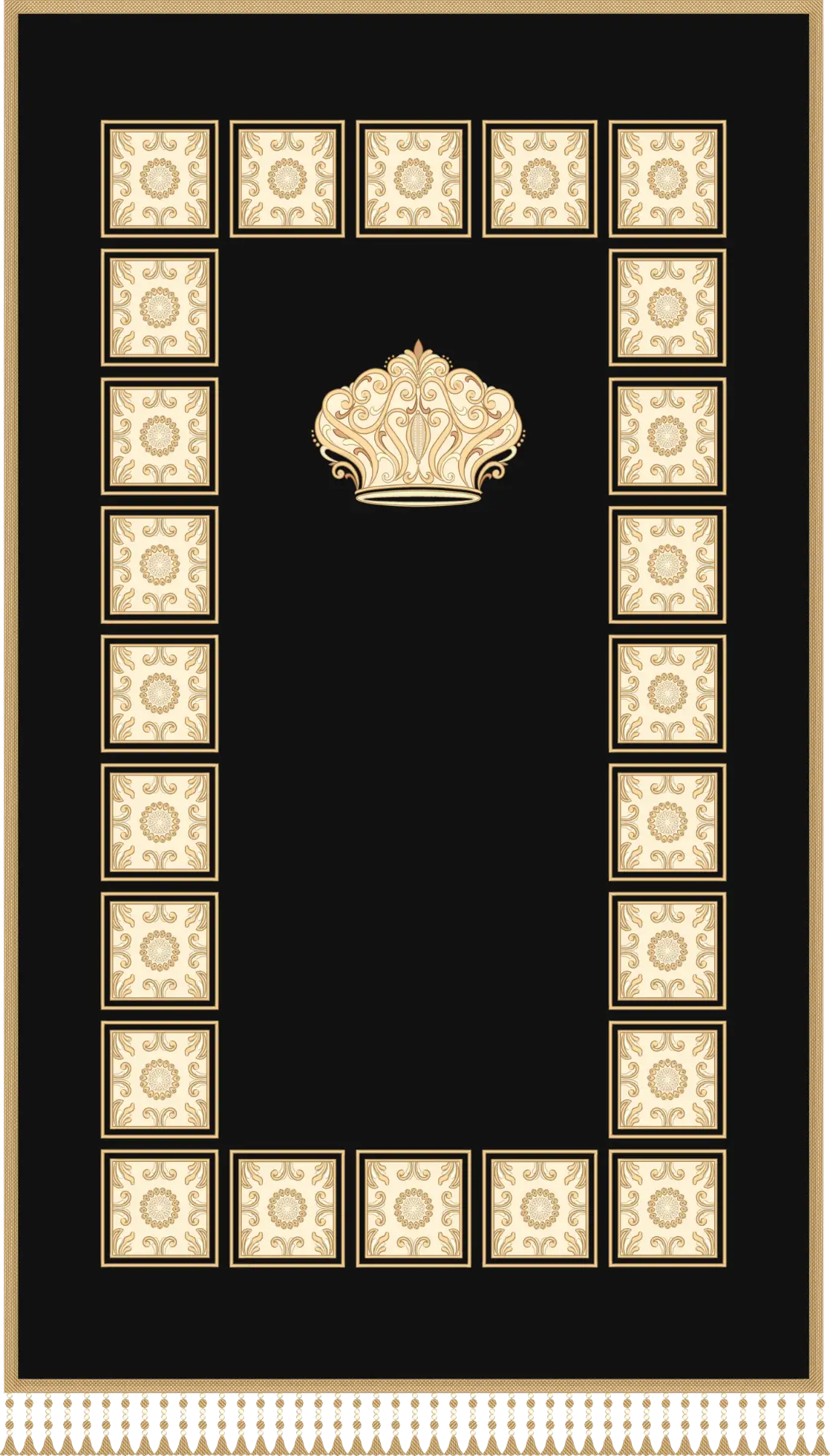
A workshop willing to walk through these points patiently is usually a good sign of how the rest of the commission will go. Hichala (היכלא) is one example of a studio that works this way, combining hand embroidery with input from the community ordering the piece, similar in spirit to pieces like the square-frame parochet design, which pairs a clean modern layout with traditional embroidery techniques.
Frequently Asked Questions
What is a מפעל לייצור פרוכות?
It is a workshop or small manufacturer that designs and produces parochot, the decorative curtains used to cover a synagogue's Torah ark.
How long does it take a workshop to produce a custom parochet?
Timelines vary by workshop and by how intricate the embroidery is, so it's best to ask each studio directly rather than assume a standard timeframe.
Can a workshop match an existing ark curtain or color scheme?
Many workshops can work from photographs or fabric samples to coordinate a new parochet with an existing ark, bimah cover, or sanctuary color palette, though results depend on the specific studio's capabilities.
Whether a community is replacing a worn curtain or commissioning a piece to mark a special occasion, the right מפעל לייצור פרוכות turns an idea – a verse, a family name, a memory of Jerusalem – into something a congregation will look at for years to come. Taking the time to ask the right questions up front, as outlined above, is the surest way to end up with a parochet the whole synagogue is proud of. For background on the ark's role in synagogue life more broadly, see this overview of the Torah ark.