
A ספרית קודש (sifriyat kodesh), literally a "holy library," is a dedicated collection of sacred Jewish texts — Chumashim, volumes of Talmud, siddurim, and works of Jewish law and thought — set apart and treated with special respect because of the holiness of their content. Because these books carry Torah teachings and, in many cases, the names of God, a sifriyat kodesh is never treated as an ordinary bookshelf. Its presence in a synagogue, study hall, or private home reflects how central learning and prayer remain in Jewish life.
In Brief
- A ספרית קודש is a set-apart collection of sacred Jewish books, kept with reverence because the texts carry Torah teachings and, in many cases, the names of God.
- It differs from an Aron Kodesh, which houses the Torah scroll itself; a sifriyat kodesh holds the wider library of Chumash, Talmud, siddurim, and halachic works used for everyday study and prayer.
- Sacred books that are too worn to use are traditionally placed in genizah rather than discarded, out of respect for their holy content.
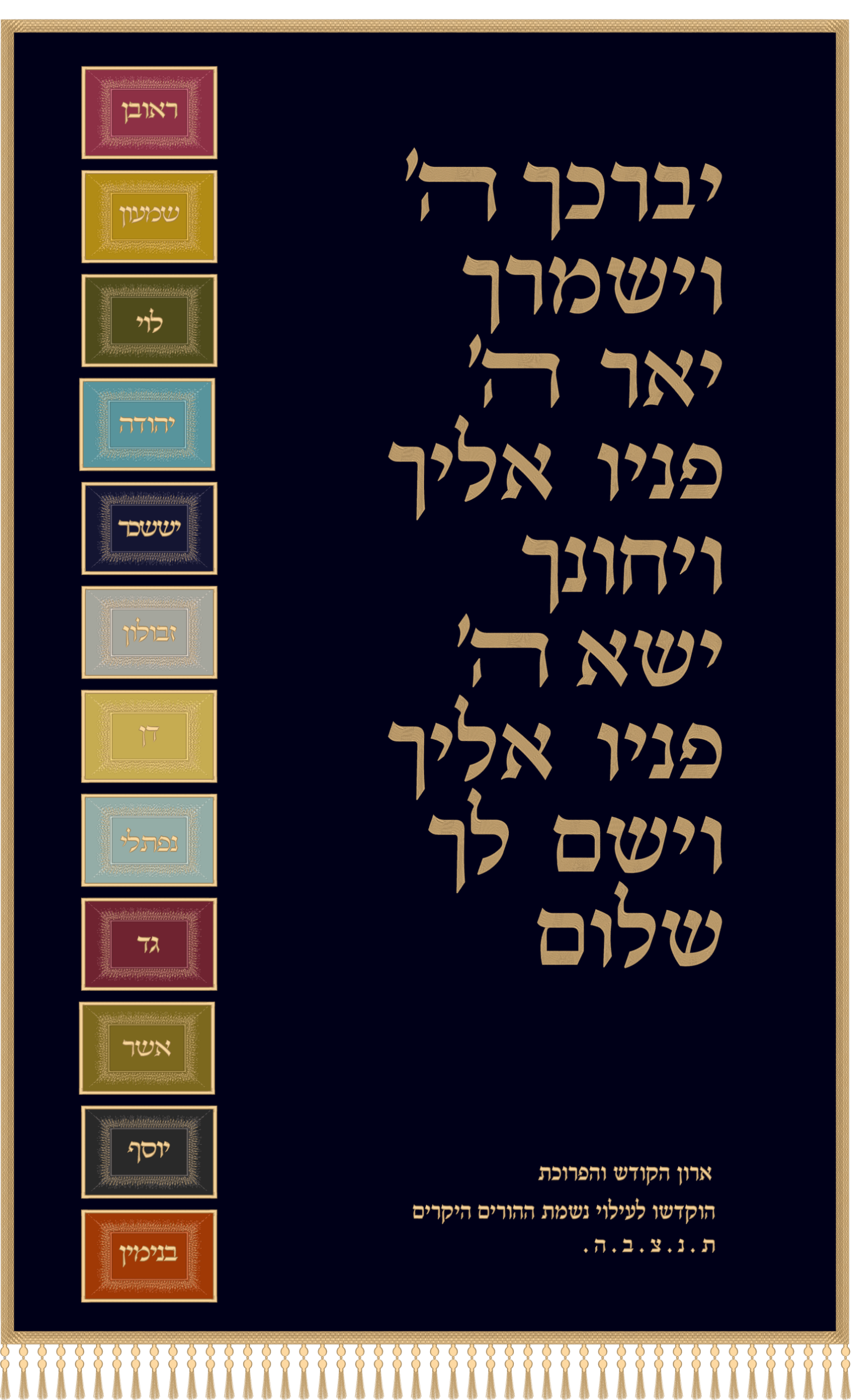
- Many communities give their sifriyat kodesh a place of honor near the Aron Kodesh or Bimah, echoing the same spirit of respect embodied in a hand-embroidered parochet.
What Is a ספרית קודש?
A ספרית קודש is, at its simplest, a gathering of sacred books kept in one respected space rather than scattered among everyday reading material. In a synagogue or beit midrash (study hall), it typically includes Chumashim and Tanach, volumes of Mishnah and Talmud, siddurim and machzorim, and works of halacha, commentary, and mussar. In a home, even a single dedicated shelf set aside for these texts can function as a small sifriyat kodesh, giving family members easy, unhurried access to sacred learning whenever they wish to open a book.
Sifriyat Kodesh vs. the Aron Kodesh
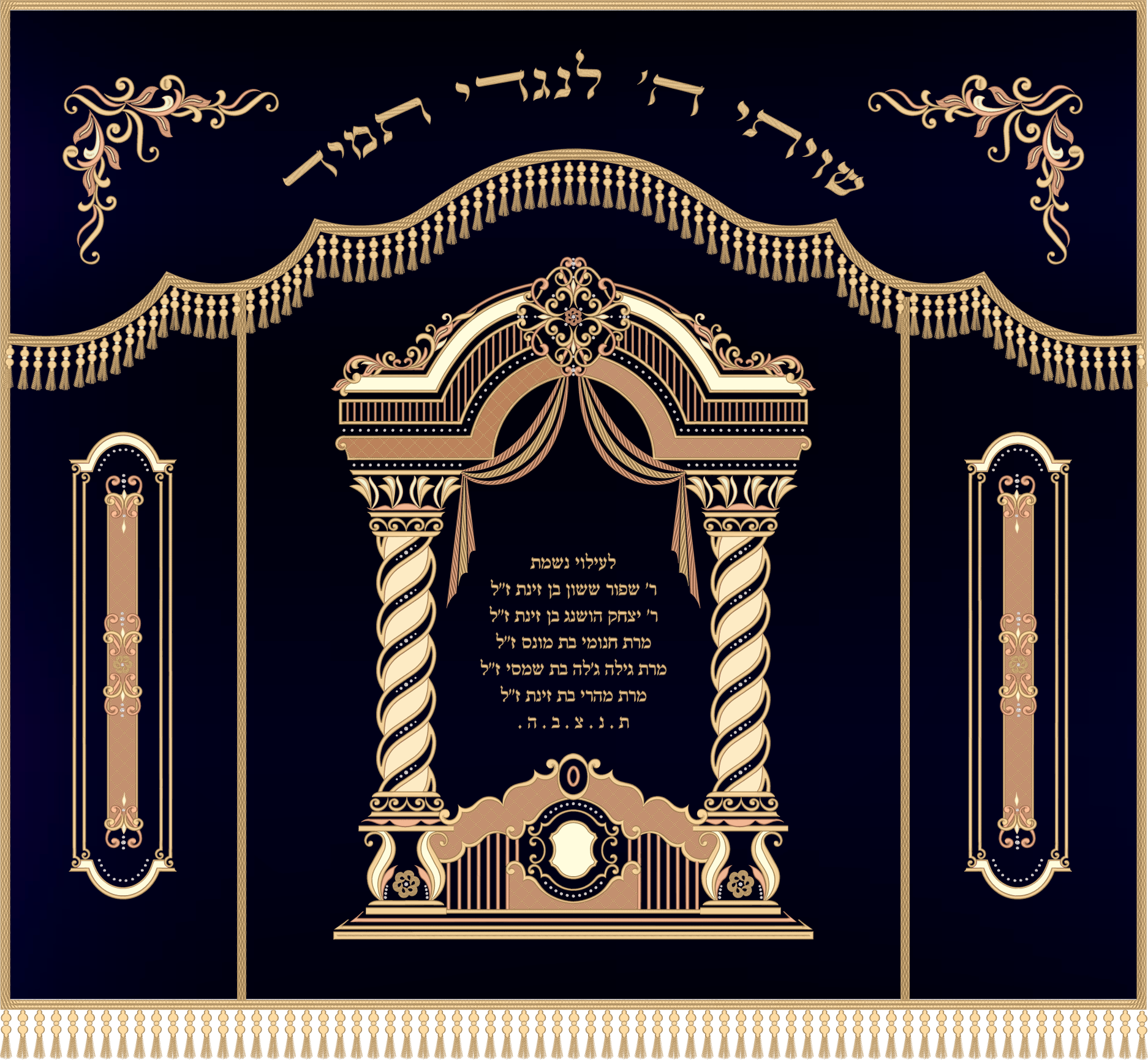
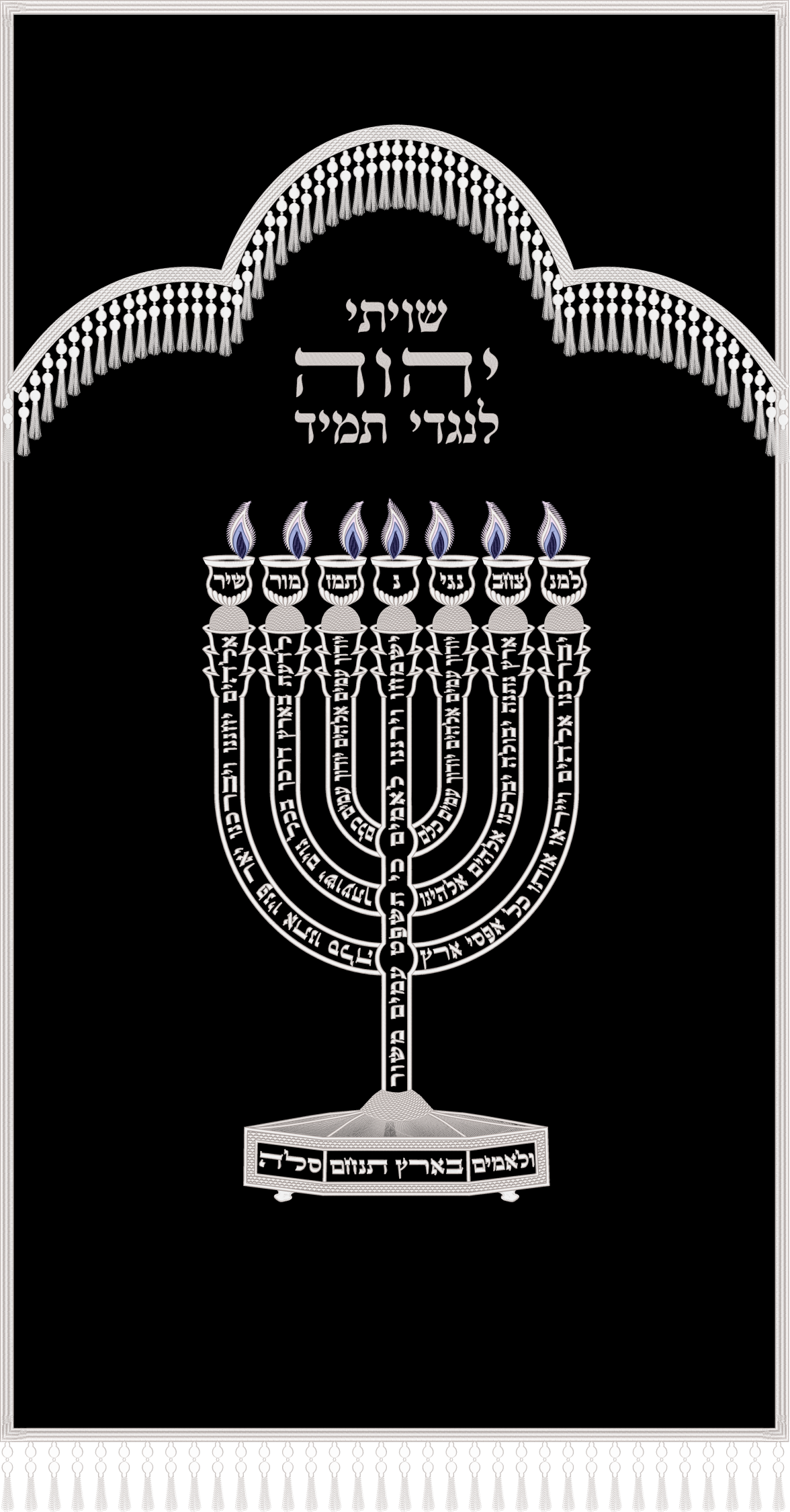
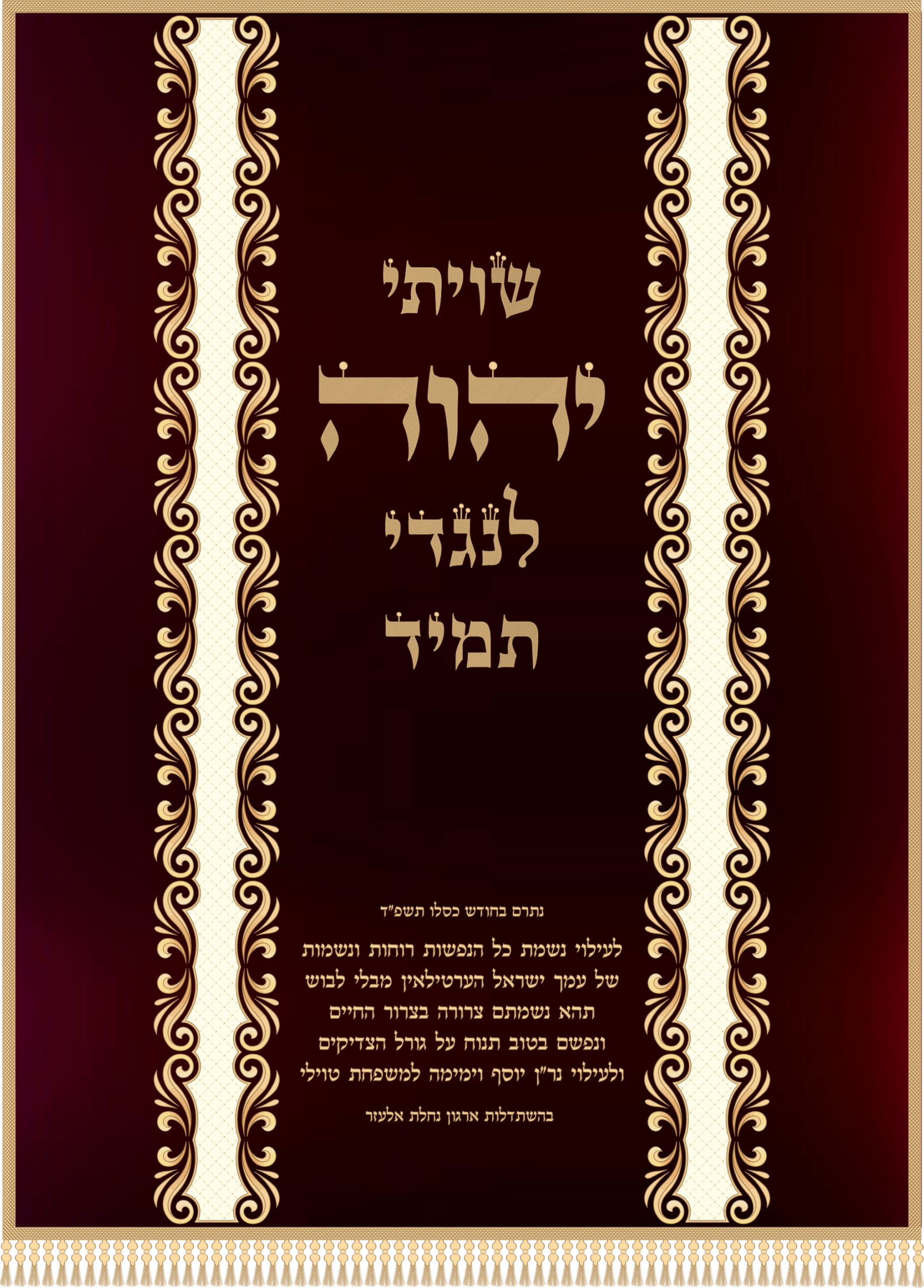
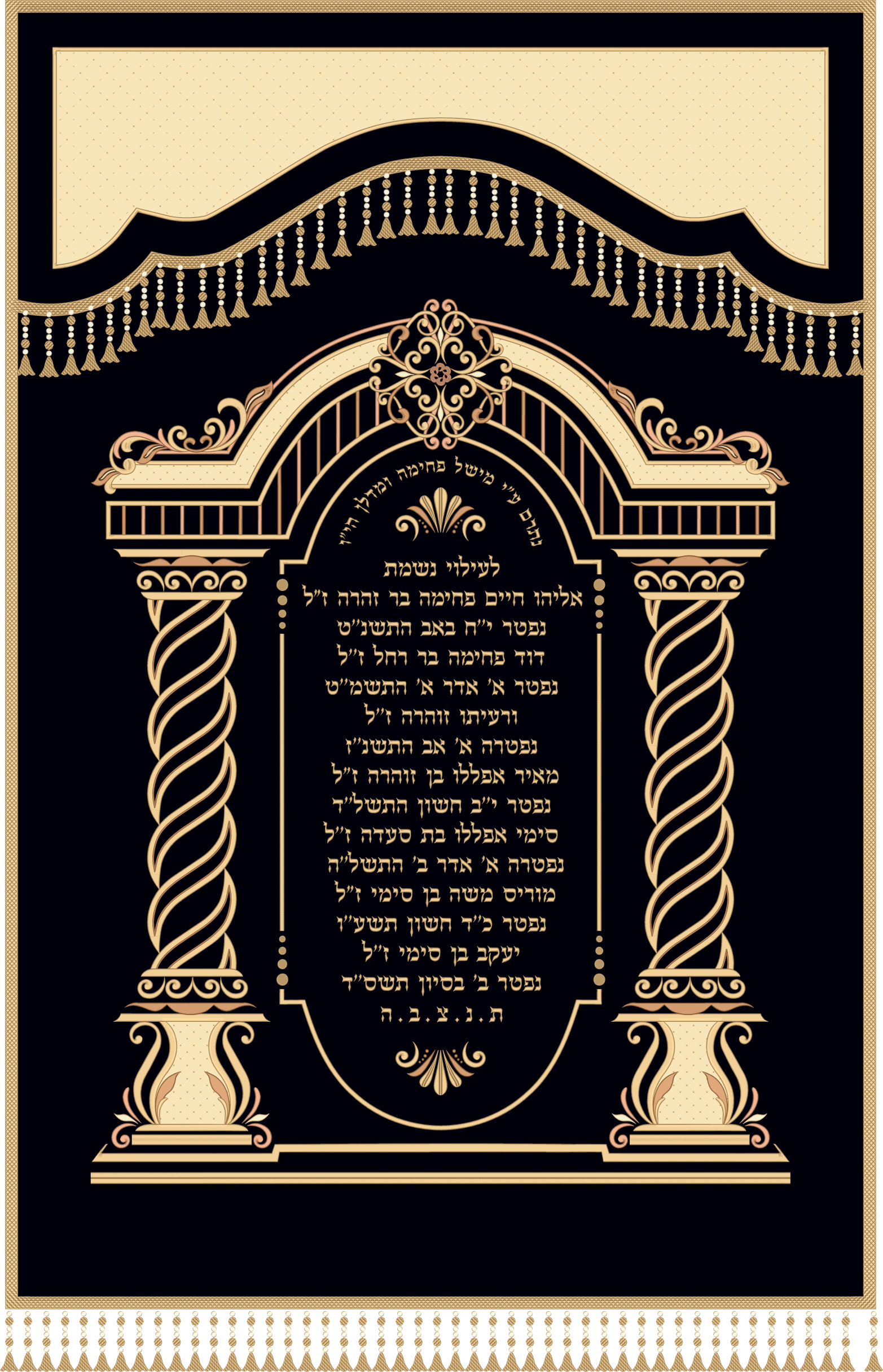
A ספרית קודש is not the same as an Aron Kodesh, even though the two are sometimes confused. The Aron Kodesh is the ark that holds the Torah scroll itself, dressed in a parochet and opened at specific moments in the service, while a sifriyat kodesh is the broader library of sacred books used for daily study, prayer, and reference — it surrounds and explains the Torah rather than holding the scroll. Both spaces deserve the same underlying respect, which is why many synagogues invest as much thought into a dignified bookcase as they do into our gallery of parochot that adorn the ark.
What Belongs in a Sifriyat Kodesh?
Every sifriyat kodesh typically draws from a similar range of sacred literature, though the exact mix depends on the community and its customs.
| Category | Examples | Typical Use |
|---|---|---|
| Written Torah | Chumash, Tanach | Personal and public study |
| Oral Torah | Mishnah, Talmud | Study hall learning |
| Prayer Books | Siddur, Machzor | Daily and holiday prayer |
| Halacha & Thought | Shulchan Aruch, mussar works | Guidance and reflection |
Caring for and Organizing a Sifriyat Kodesh
Caring for a ספרית קודש starts with simple, practical habits that reflect the honor these books are due.
- Dedicate a specific shelf, cabinet, or room rather than mixing sacred texts with everyday reading material.
- Keep the books off the floor and away from damp or dusty areas.
- Shelve volumes upright so that titles and verses are not left face-down.
- Set aside worn or damaged sacred books for genizah rather than the trash.
- Teach children to handle sifrei kodesh gently, as an early lesson in honoring the words they contain.
For those curious about the wider customs surrounding sacred texts and how communities make them accessible today, resources like Sefaria's digital library offer a helpful window into how a modern sifriyat kodesh can extend far beyond a single physical shelf.
Why a Sifriyat Kodesh Matters in Synagogue and Home Life
A well-tended ספרית קודש does more than store books — it signals that a community or family continually makes room for Torah learning. At Hichala (היכלא), the same devotion that goes into hand-embroidering a parochet for the Aron Kodesh also shapes pieces inspired by love of the sacred word, such as the "V'eshmera Toratecha" parochet and the "How I Love Your Torah" parochet with the Tablets of the Covenant. Both express in thread the same love of Torah that a sifriyat kodesh expresses in books, reminding anyone who walks past either one that sacred words deserve a beautiful, honored home.
Frequently Asked Questions
What does sifriyat kodesh mean?
Sifriyat kodesh means "holy library" in Hebrew — a collection of sacred Jewish books such as the Chumash, Talmud, and siddur, kept and handled with special respect.
Is a sifriyat kodesh the same as an Aron Kodesh?
No. The Aron Kodesh is the ark that holds the Torah scroll itself, while a sifriyat kodesh is the broader library of sacred books used for study and prayer.
What should be done with worn-out sacred books?
Sacred books that are too worn to use are traditionally set aside for genizah, a respectful form of storage or burial, rather than being thrown away.
Whether it fills a synagogue study hall or a single shelf in a family home, a ספרית קודש quietly carries generations of Jewish learning and prayer forward — and deserves the same lasting care and honor given to the Aron Kodesh and the parochet that adorns it.