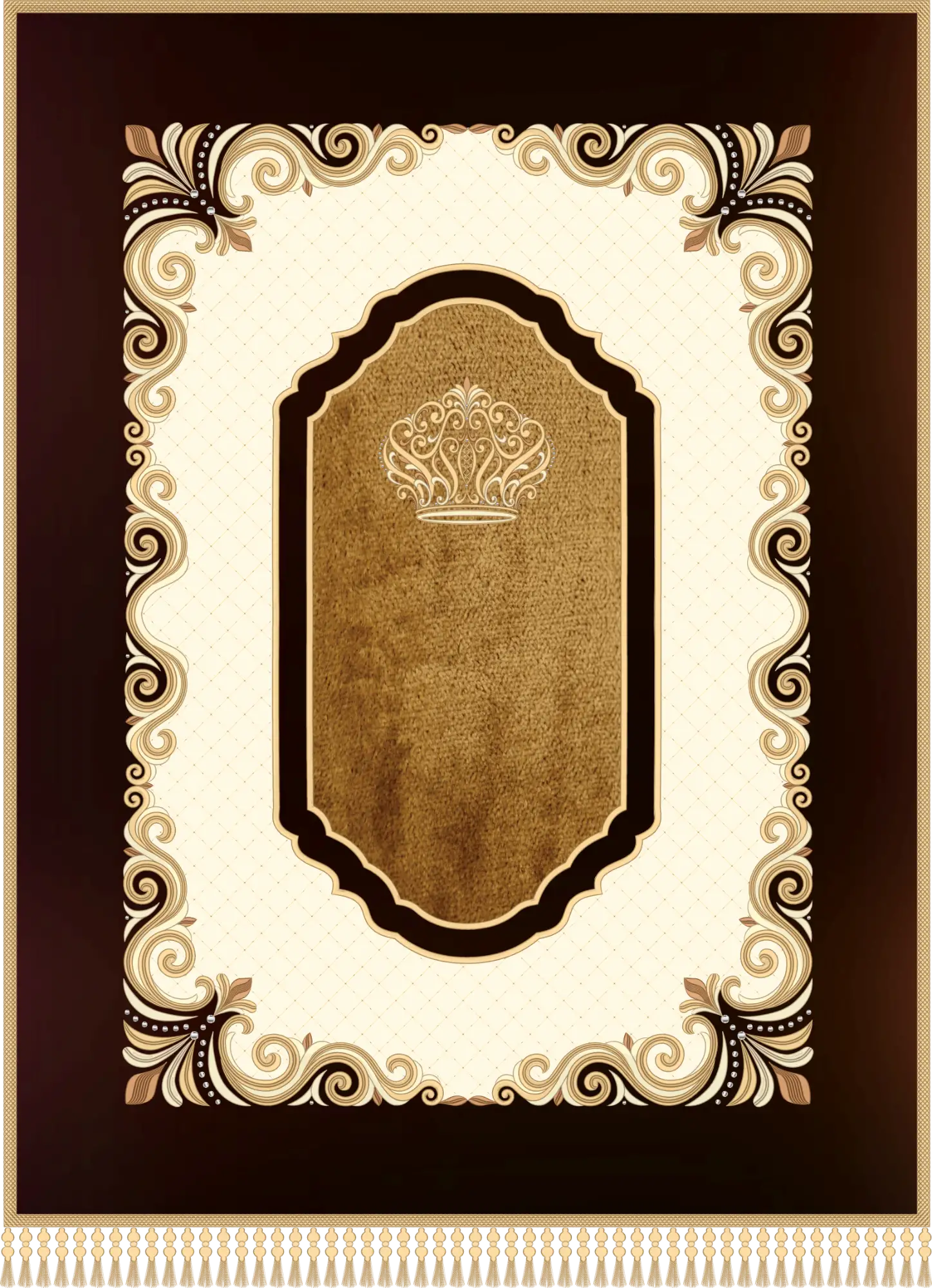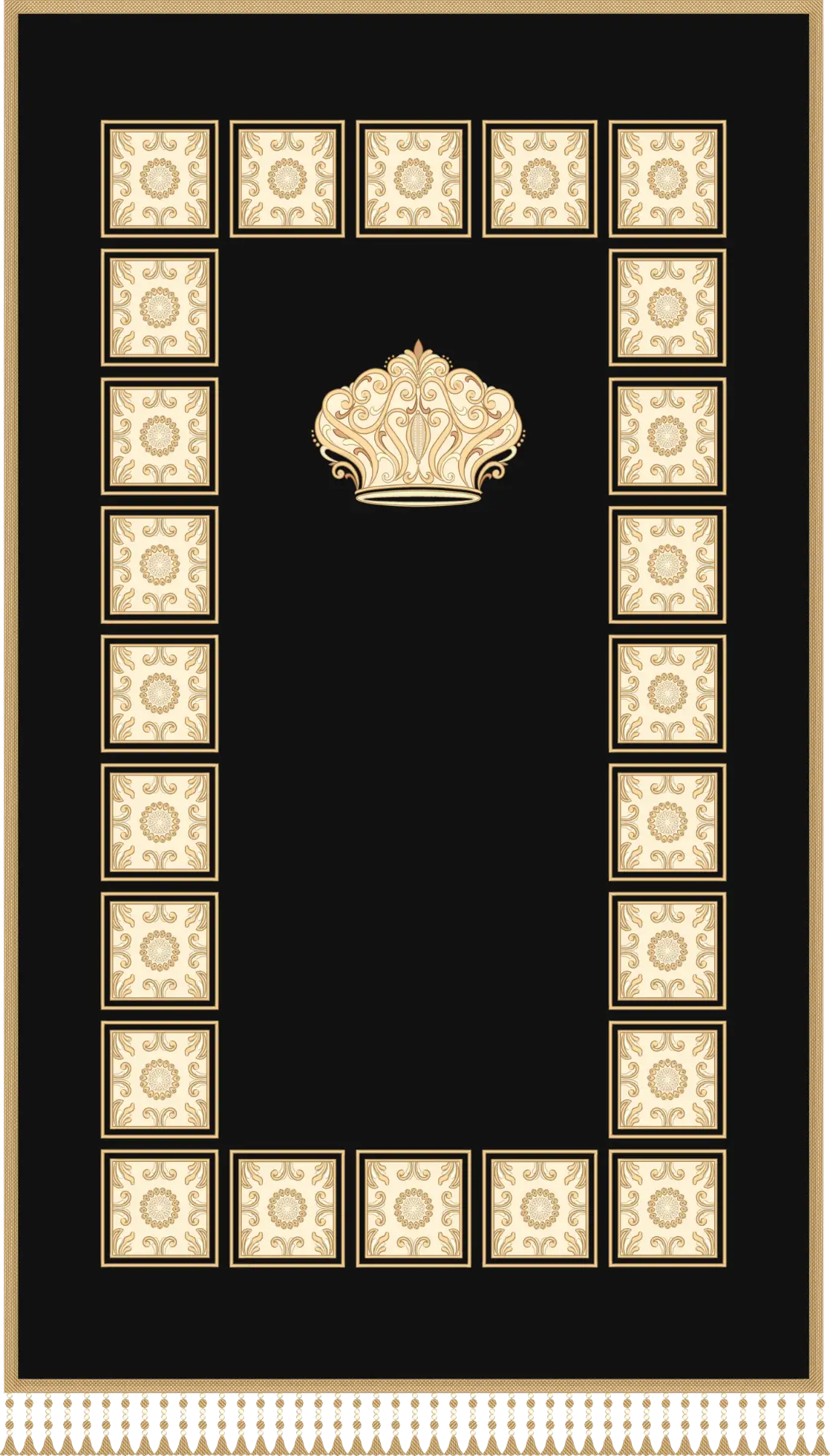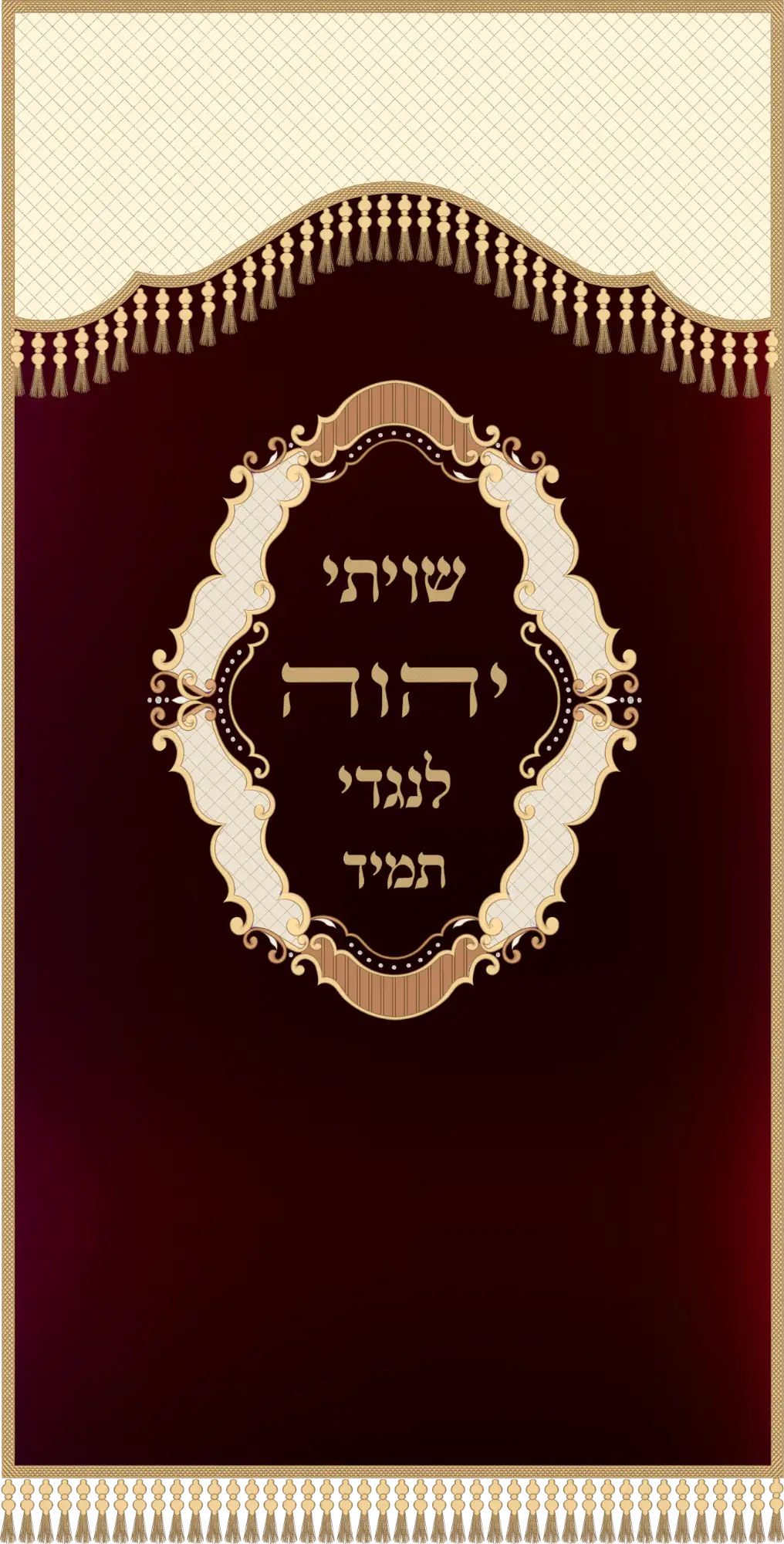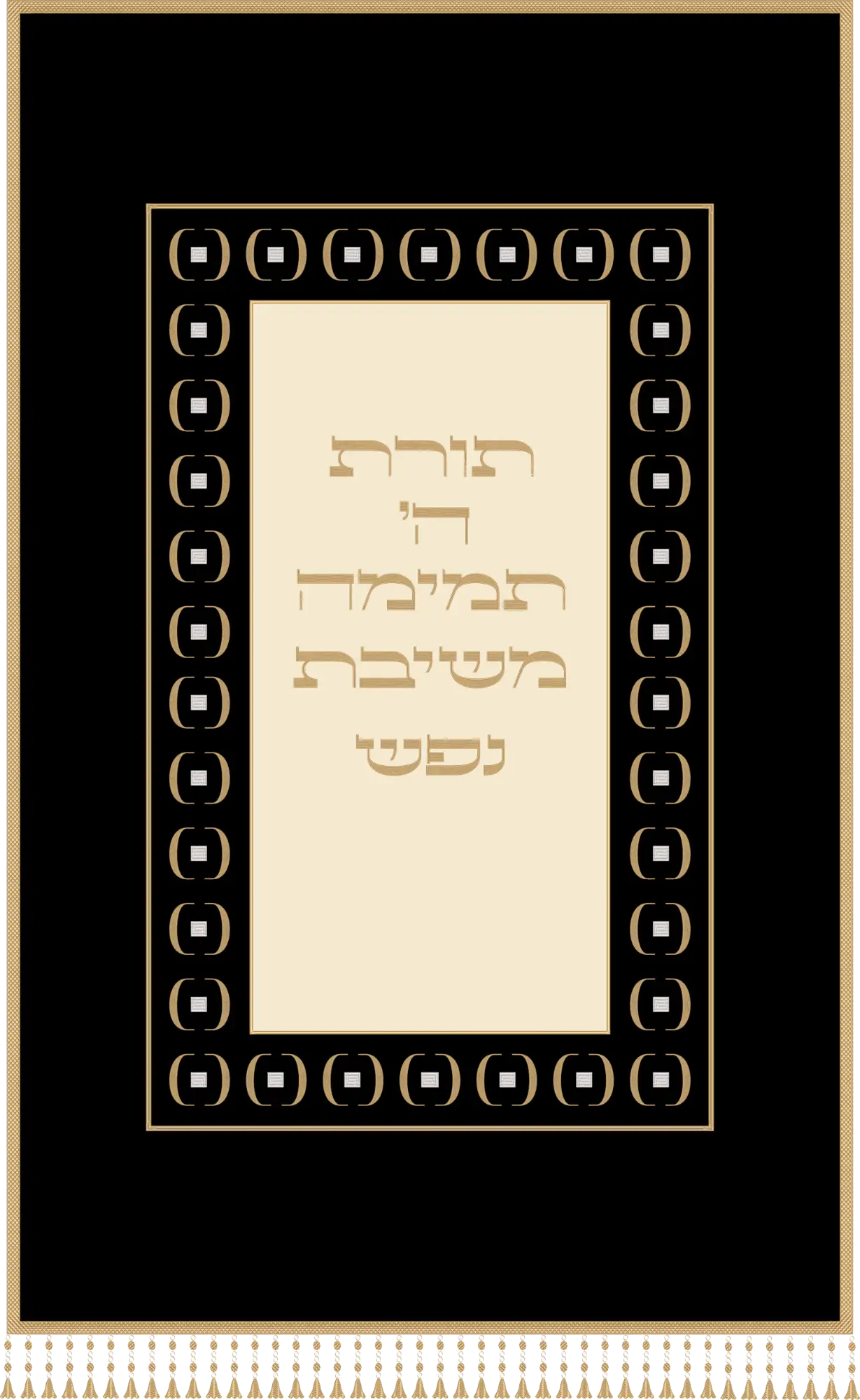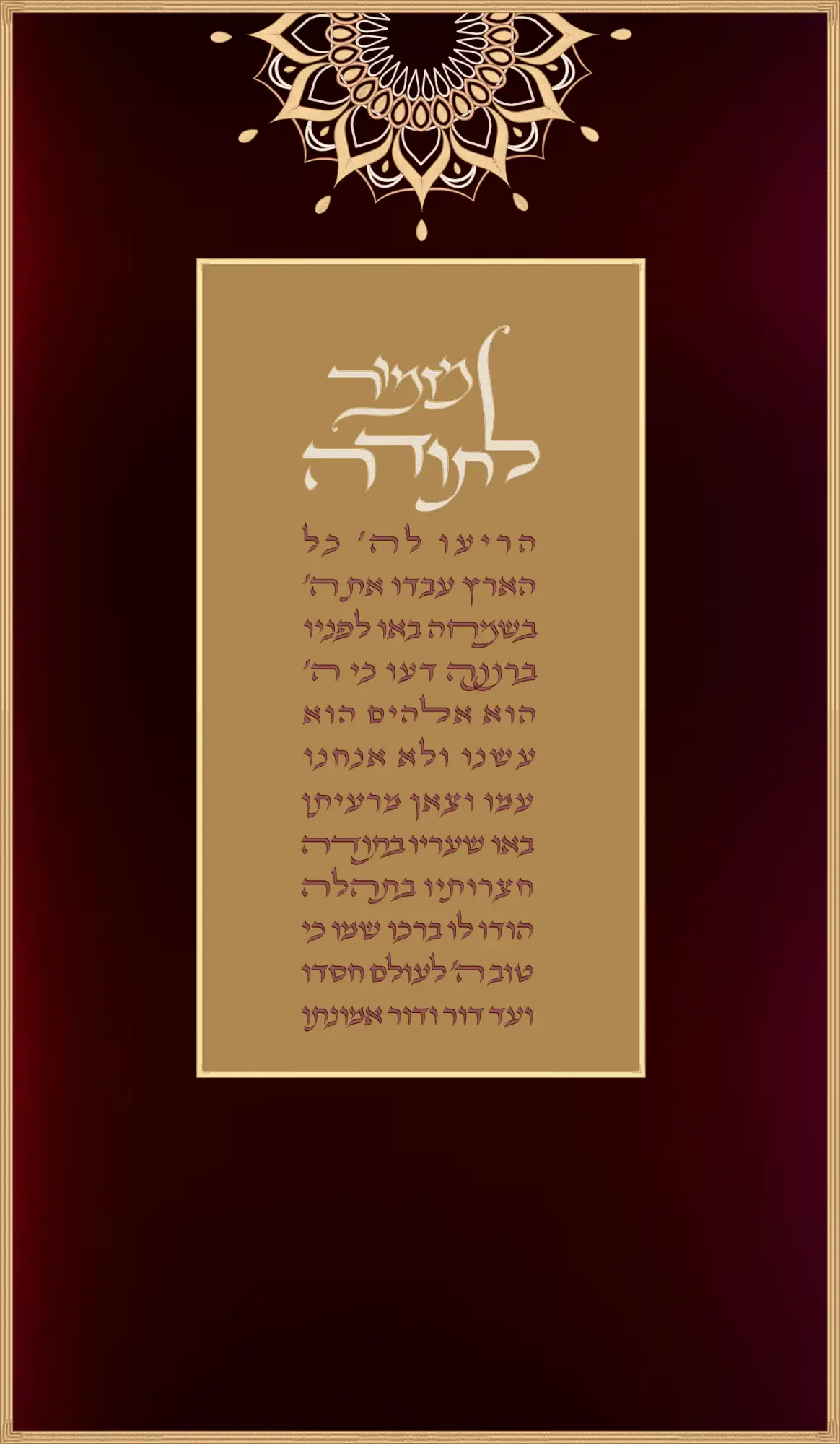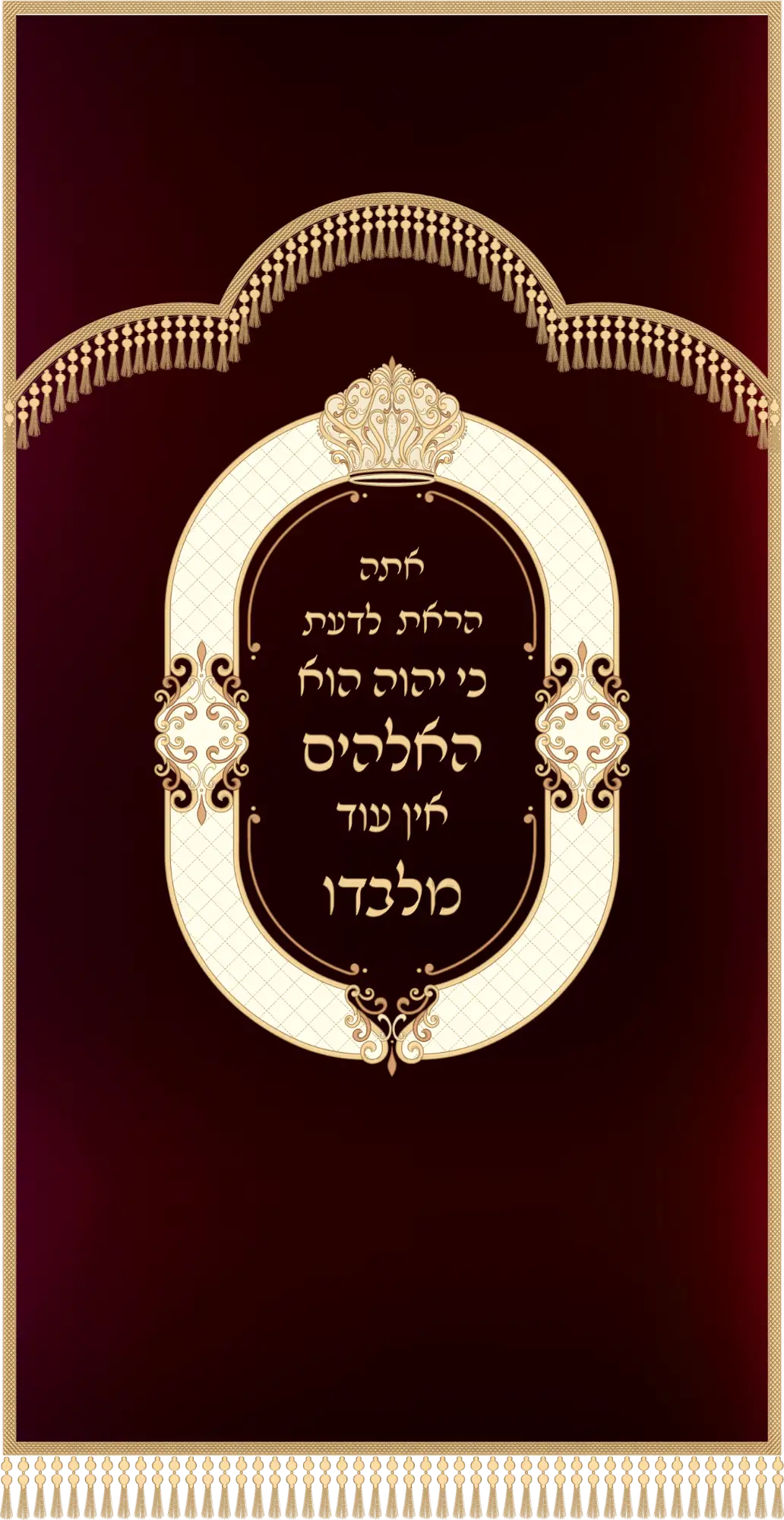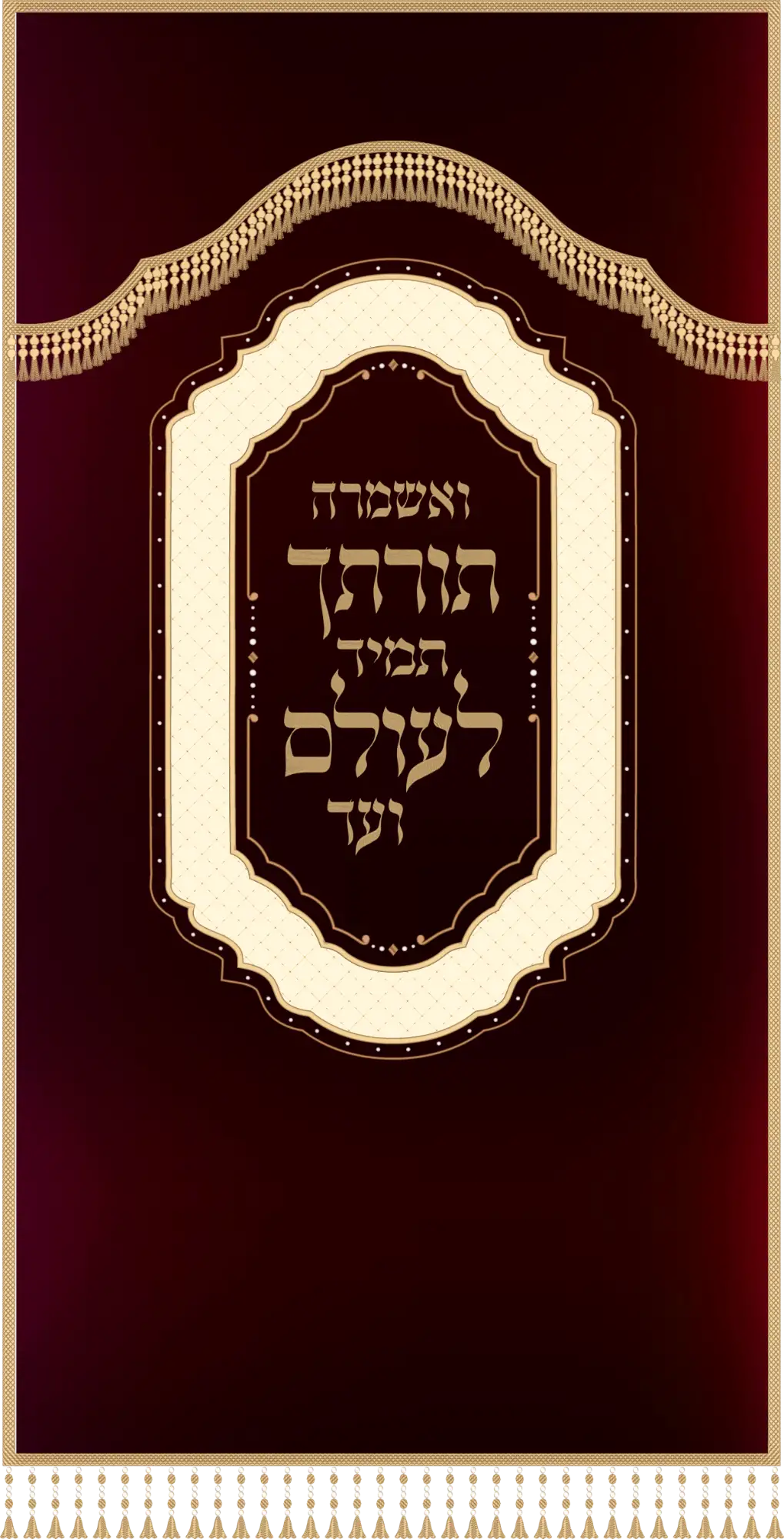

A פרוכת חדשנית — an innovative Torah ark curtain — is a hand-embroidered parochet that reinterprets classic Jewish symbols through contemporary design choices such as bold geometry, unexpected color combinations, and creative fabric pairings. It still fulfills the parochet's traditional role of covering the aron kodesh, but its visual language speaks to a synagogue that wants to feel modern without losing its connection to Jewish heritage. For many congregations renovating a sanctuary or building from scratch, this balance is exactly what they are looking for.
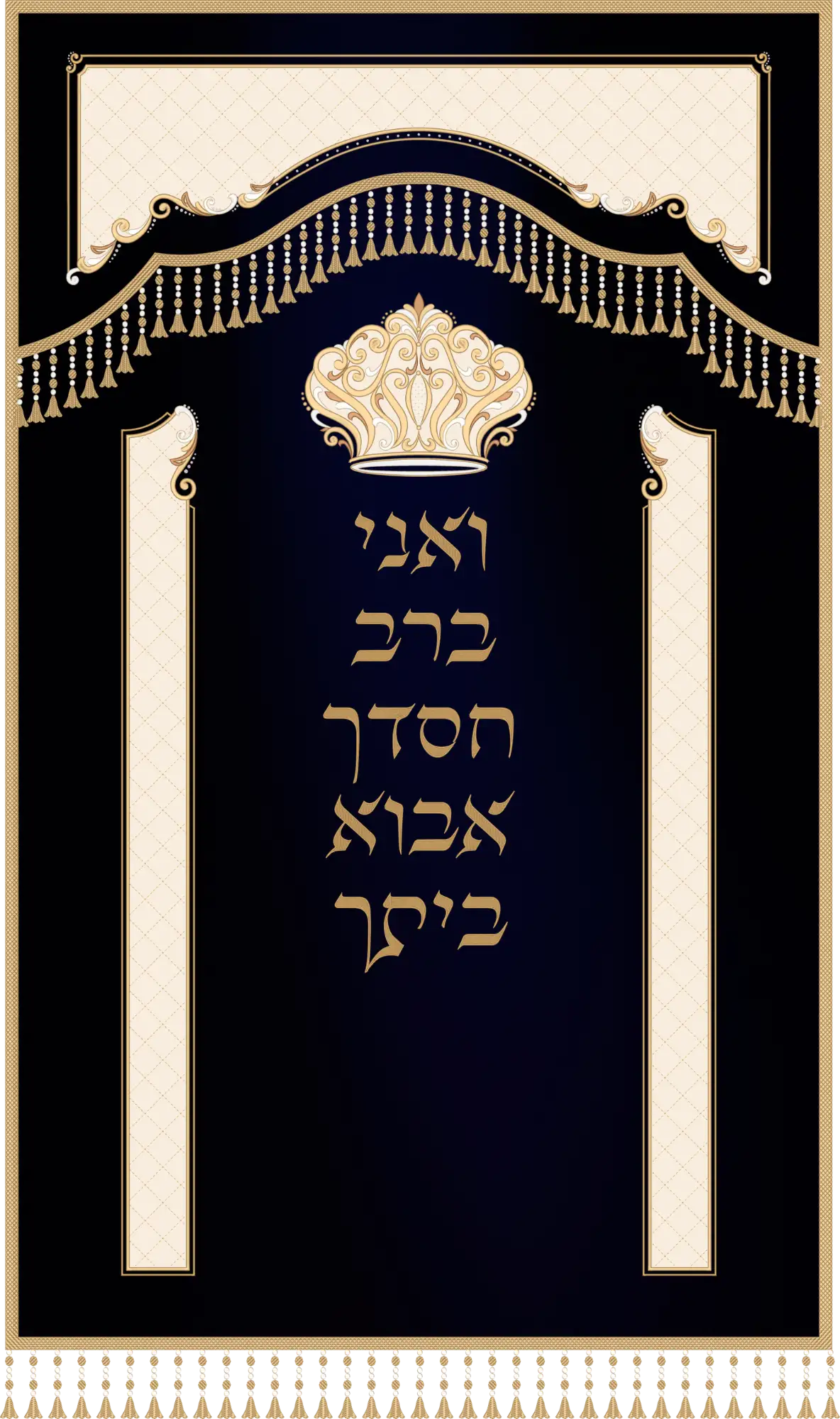
In Brief
- A פרוכת חדשנית keeps the parochet's traditional role — covering the aron kodesh — while updating its visual language for a modern sanctuary.
- Innovative parochot often combine hand embroidery with clean geometric layouts, mixed textiles, or unconventional color palettes rather than only classic gold-on-velvet designs.
- Familiar motifs — the Tablets of the Covenant, the Menorah, the Star of David, or lines from the liturgy — stay recognizable even when the surrounding design is thoroughly contemporary.
- Congregations often choose an innovative design specifically because it feels rooted in tradition while still reflecting current taste in interior design.
Defining a פרוכת חדשנית: What Innovative Design Means
A פרוכת חדשנית is still a parochet in every functional and spiritual sense — it hangs before or inside the ark, and it is created through the same painstaking hand-embroidery process used for centuries. What changes is the design approach: instead of dense, symmetrical, classical patterning, an innovative parochet might use negative space, asymmetry, a minimalist color story, or a modern typographic treatment of a verse. The result feels current in a bright, newly built sanctuary, yet it still carries the weight and meaning of a traditional parochet.
Design Elements That Define Innovative Parochot
Several recurring choices tend to signal a modern, innovative approach to parochet design:
- Geometric structure — clean lines, repeating shapes, or mandala-style layouts instead of dense floral scrollwork.
- Restrained color palettes — two or three tones used deliberately, rather than the full richness of a classical crimson-and-gold design.
- Mixed fabrics — combining velvet, silk, and leather or metallic accents within a single panel for texture and contrast.
- Contemporary calligraphy — verses rendered in a cleaner, more graphic script that still reads as sacred text.
- Open, uncluttered composition — letting a single motif, like the Tablets of the Covenant or a menorah, stand on its own rather than surrounding it with ornate borders.
You can see several of these ideas applied in practice in a piece like a Shema Israel parochet in modern design, or in a geometric, meditative layout such as a mandala-pattern parochet.
Traditional Motifs, Reimagined
The table below compares how a classical approach and an innovative approach tend to treat the same design elements.
| Design Element | Classical Approach | Innovative Approach |
|---|---|---|
| Color Palette | Rich, layered tones (crimson, gold, royal blue) | Restrained, often two or three coordinated tones |
| Layout | Dense, symmetrical, ornately bordered | Open composition with generous negative space |
| Fabric Pairing | Primarily velvet with metallic embroidery thread | Mixed textiles — velvet, silk, leather, or metallic panels |
| Motif Treatment | Traditional florals and scrollwork framing central symbols | A single symbol, like a menorah or square frame, as the focal point |
Choosing an Innovative Parochet for Your Synagogue
Choosing a פרוכת חדשנית starts with thinking about how the curtain will sit within the room. A few practical questions can guide the decision:
- Does the sanctuary's architecture lean modern (clean lines, natural light) or does it call for a warmer, more traditional counterpoint?
- Which motif matters most to the community — a family or communal symbol, a verse, or a shape like the Tablets of the Covenant?
- Should the piece coordinate with other textiles in the room, such as a bimah cover or Torah mantle?
- Is there a preference for a bold focal design, such as a square-frame parochet, or a quieter, more minimal statement?
At Hichala (היכלא), every innovative parochet is still built through the same careful hand-embroidery process, so the modern design never comes at the expense of craftsmanship. Browsing our gallery of parochot is a useful way to see how classic and contemporary elements can be combined before settling on a final concept. For background on the ark curtain's place in synagogue life more broadly, sources like the overview of the Torah ark are a helpful starting point.
Frequently Asked Questions
Is a פרוכת חדשנית appropriate for an older, traditional synagogue?
Yes — many communities pair an innovative parochet with a traditional sanctuary specifically to introduce a fresh visual accent, often choosing a design that still uses familiar colors or motifs from the room's existing decor.
Does an innovative design mean the parochet is less meaningful?
No — the symbolism, hand embroidery, and sacred purpose remain the same; only the visual style of the composition is updated, so the curtain still carries its full traditional significance.
Can an innovative parochet still include Hebrew text or classical symbols?
Absolutely — verses, the Tablets of the Covenant, and other classic motifs are commonly featured in innovative designs, simply presented with cleaner lines, more open space, or a more contemporary color palette.
Whether a congregation is furnishing a brand-new sanctuary or refreshing a longstanding one, a well-designed פרוכת חדשנית offers a way to honor the parochet's timeless purpose while giving the ark a look that feels genuinely current. The key is choosing a design that still centers on meaningful symbols and careful craftsmanship, so the innovation enhances the tradition rather than replacing it.