
פרוכות are the embroidered curtains that hang before the Torah ark (aron kodesh) in a synagogue, marking the holiest point in the sanctuary and shielding the sacred scrolls from view. Though a single curtain is called a parochet, the word describes many different styles — from understated everyday designs to lavish curtains reserved for festivals — each carrying its own history and symbolism. Getting to know these variations makes it easier for a congregation to choose a curtain that truly fits its customs and character.
In Brief
- A parochet is the curtain hung before or inside the doors of the ark, and פרוכות is simply the Hebrew plural used for this category of sacred textile art.
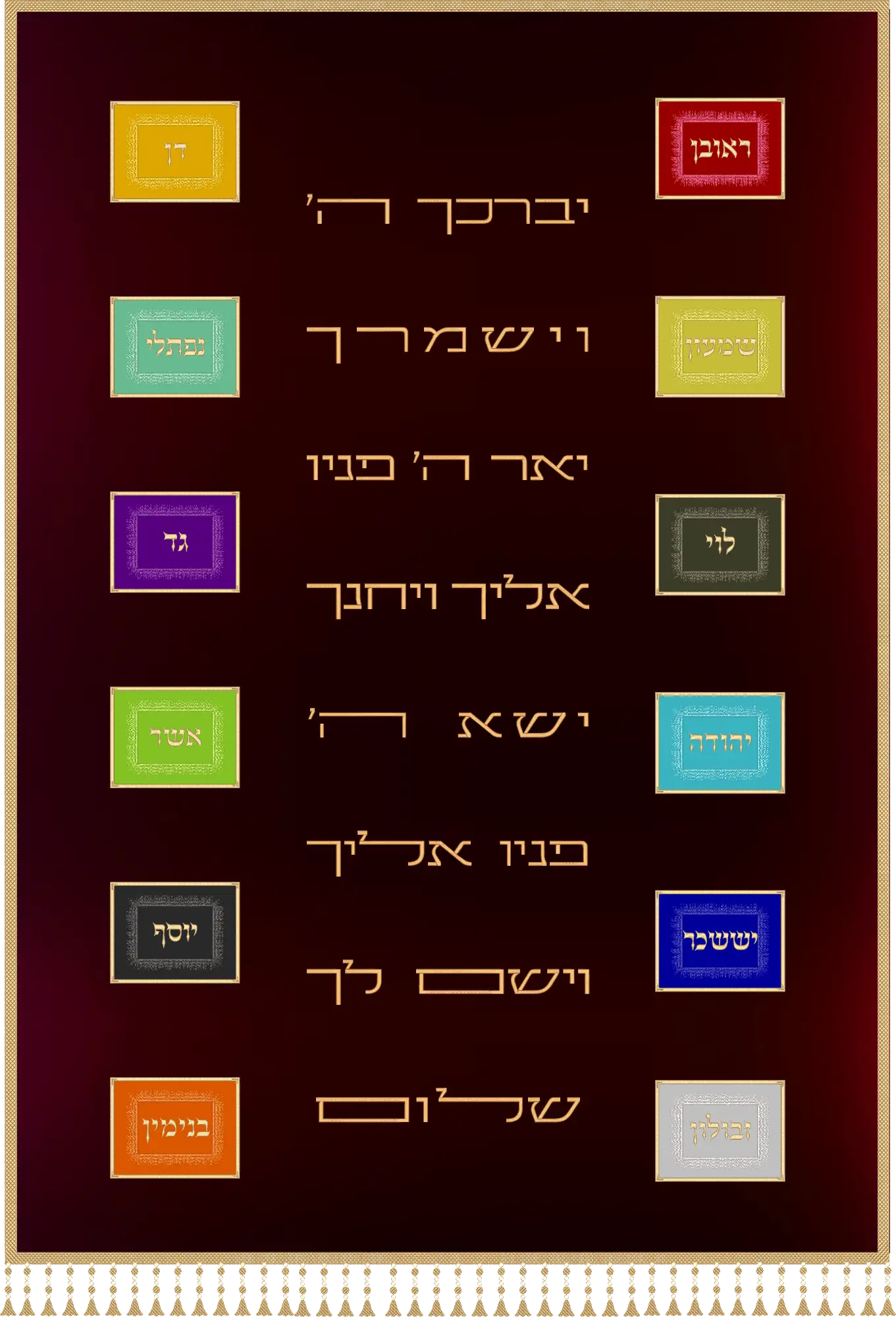
- Styles of Torah ark curtains vary by symbolic motif, such as the Twelve Tribes, a royal crown, the Western Wall, or the Tablets of the Covenant.
- Many congregations keep more than one curtain and rotate them for Shabbat, festivals, and the Days of Awe, following a long-standing custom of dressing the ark for the occasion.
- Choosing among the many available פרוכות depends mainly on a synagogue's nusach, its architecture, and the meaning the community wants the ark to convey.
What Are פרוכות?
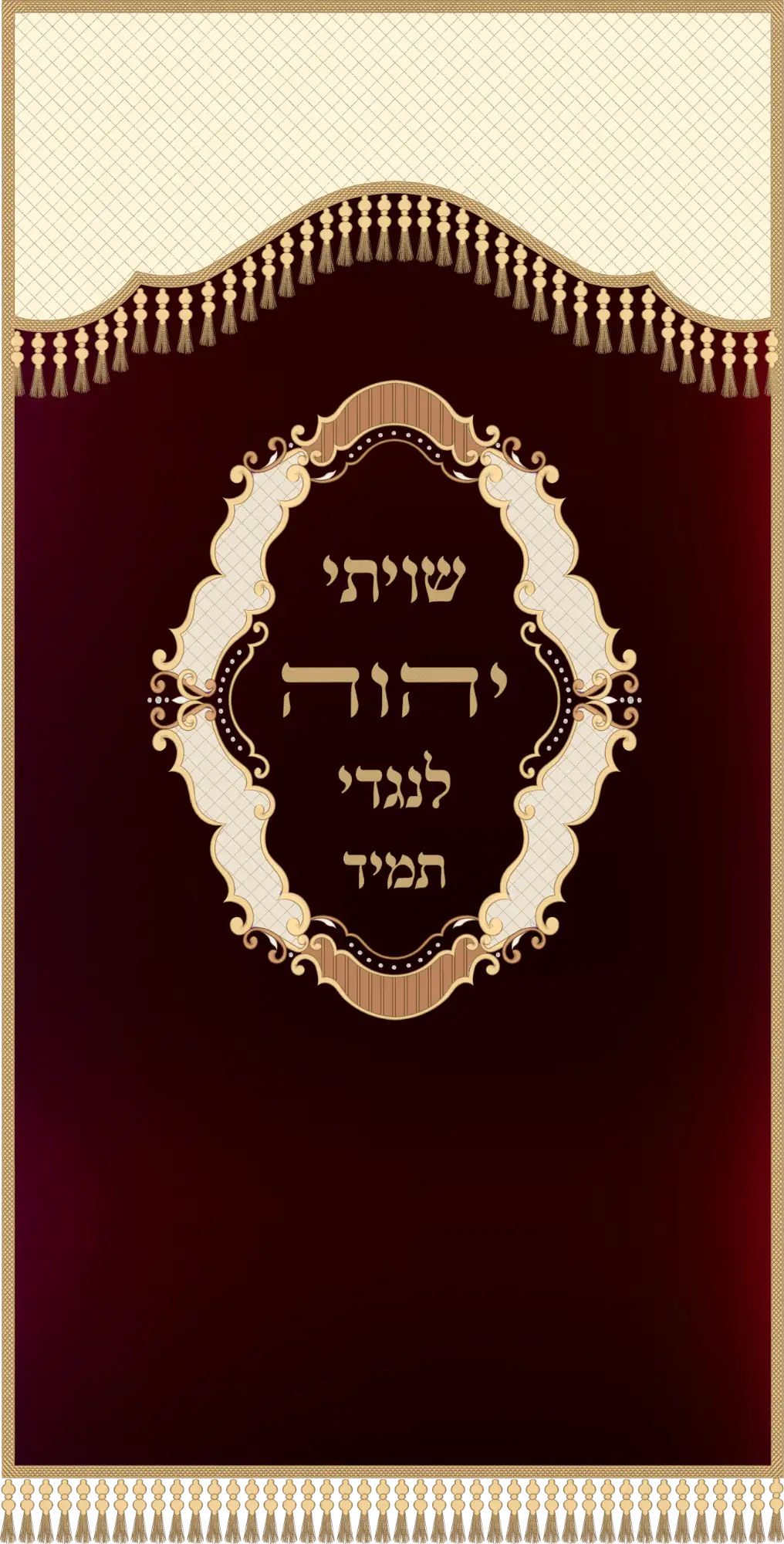
A parochet (plural: פרוכות) is traditionally a hand-embroidered curtain that covers or hangs before the Torah ark, the cabinet that houses a community's Torah scrolls. The custom is thought to echo the curtain that covered the entrance to the Tabernacle and, later, the Holy of Holies in the Temple in Jerusalem — a lineage explored in general overviews of the parochet's history. Because the ark is the focal point of every service, these curtains often become one of the most visually expressive elements in a synagogue, blending fine embroidery, meaningful verses, and imagery drawn from Jewish tradition.
The Many Styles of Torah Ark Curtains
The world of handmade פרוכות is remarkably diverse, and no two synagogues need choose the same design. Below are some of the styles seen most often today:
- Moroccan Gate (שער מרוקאי) — inspired by the ornamental archways of North African synagogues, as in this ornate Moroccan gate parochet.
- Crown (כתר) — a royal crown motif symbolizing the "crown of Torah," used broadly across communities.
- Tablets of the Covenant (לוחות הברית) — depicting the two tablets given at Sinai, often paired with a menorah, such as this Tablets and Menorah design.
- Menorah (מנורה) — the seven-branched lamp, evoking the light of the Temple.
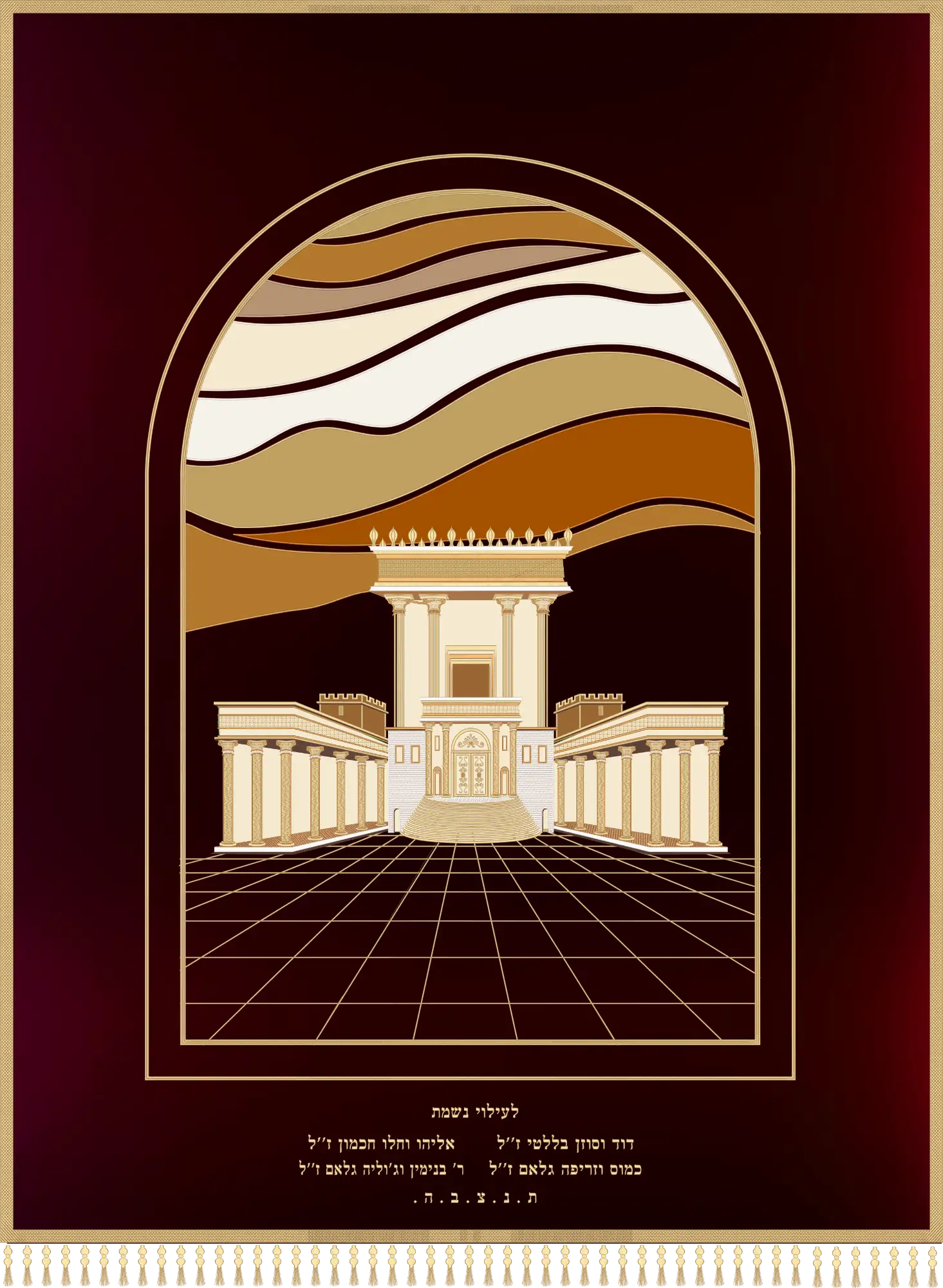
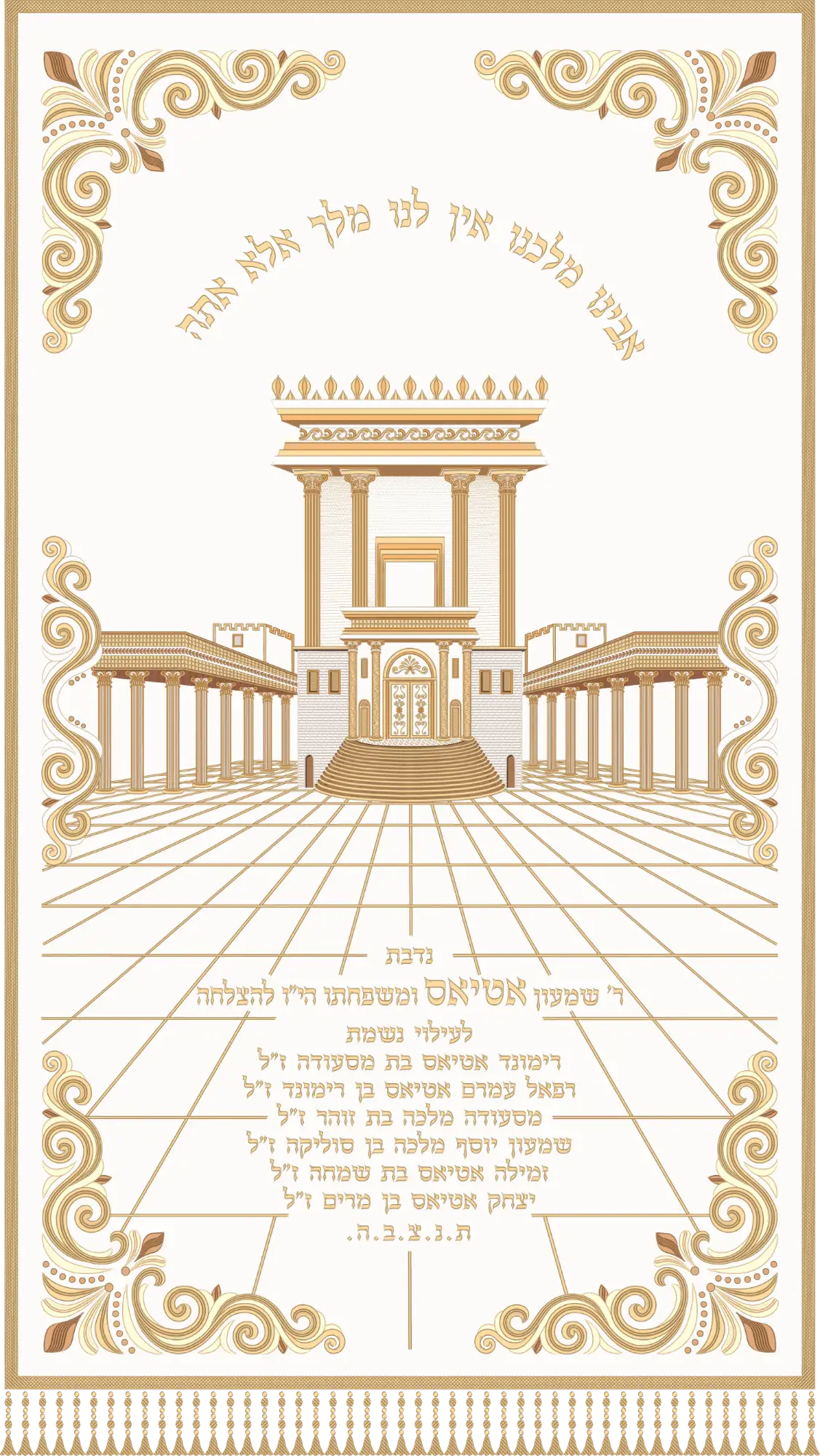
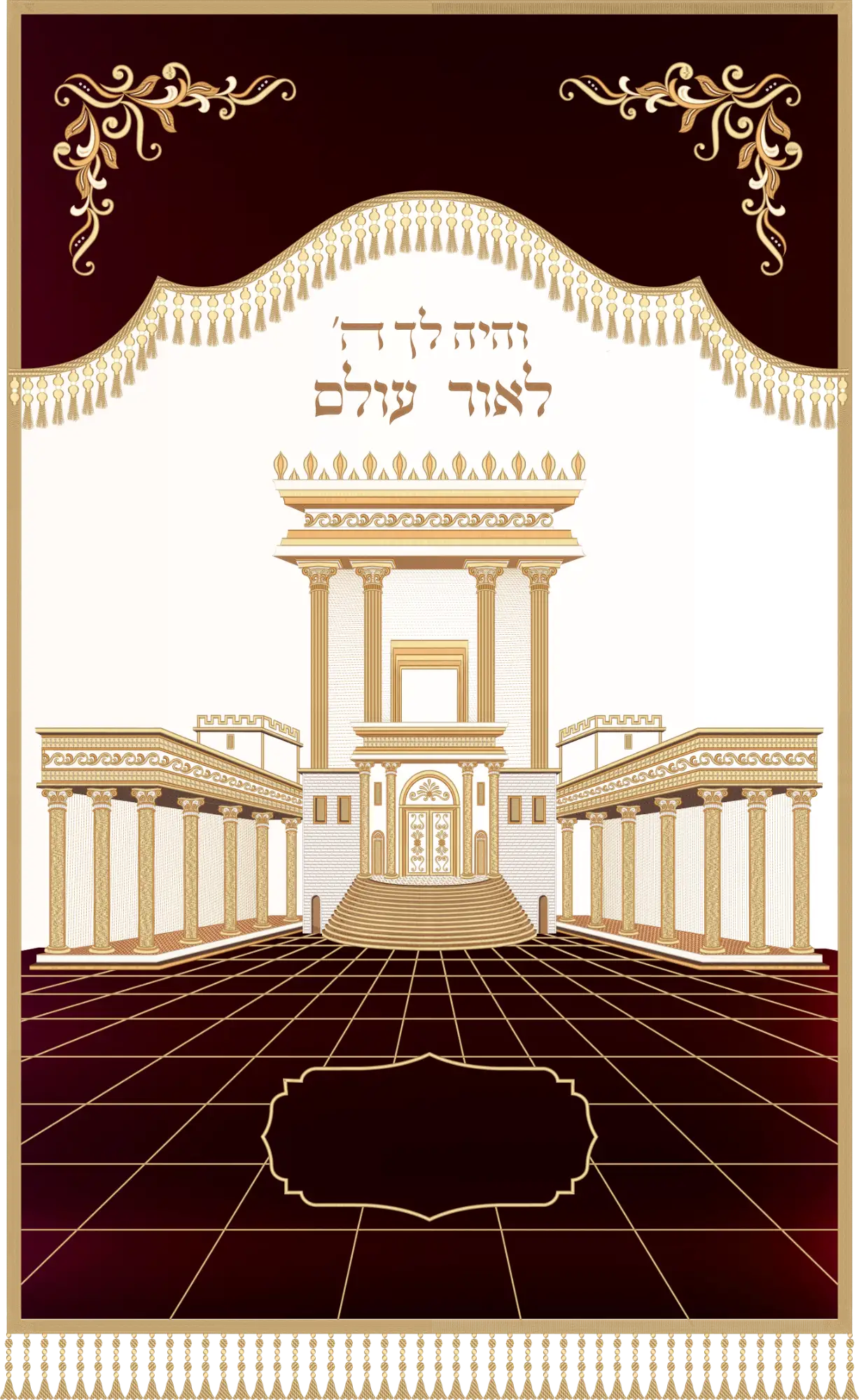
- Temple (בית המקדש) — imagery of Jerusalem and the Temple, sometimes set against a sunset or mountain backdrop.
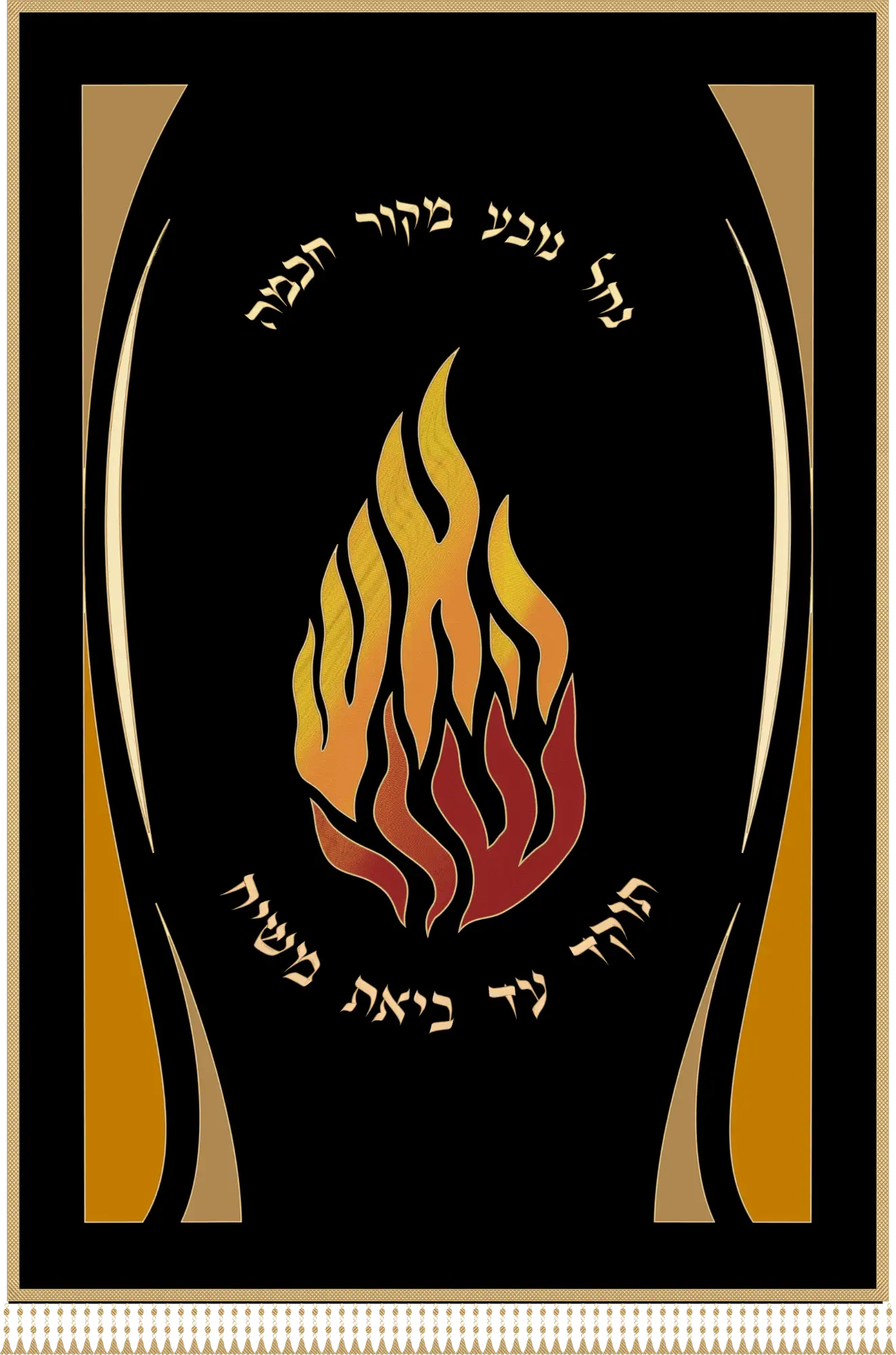
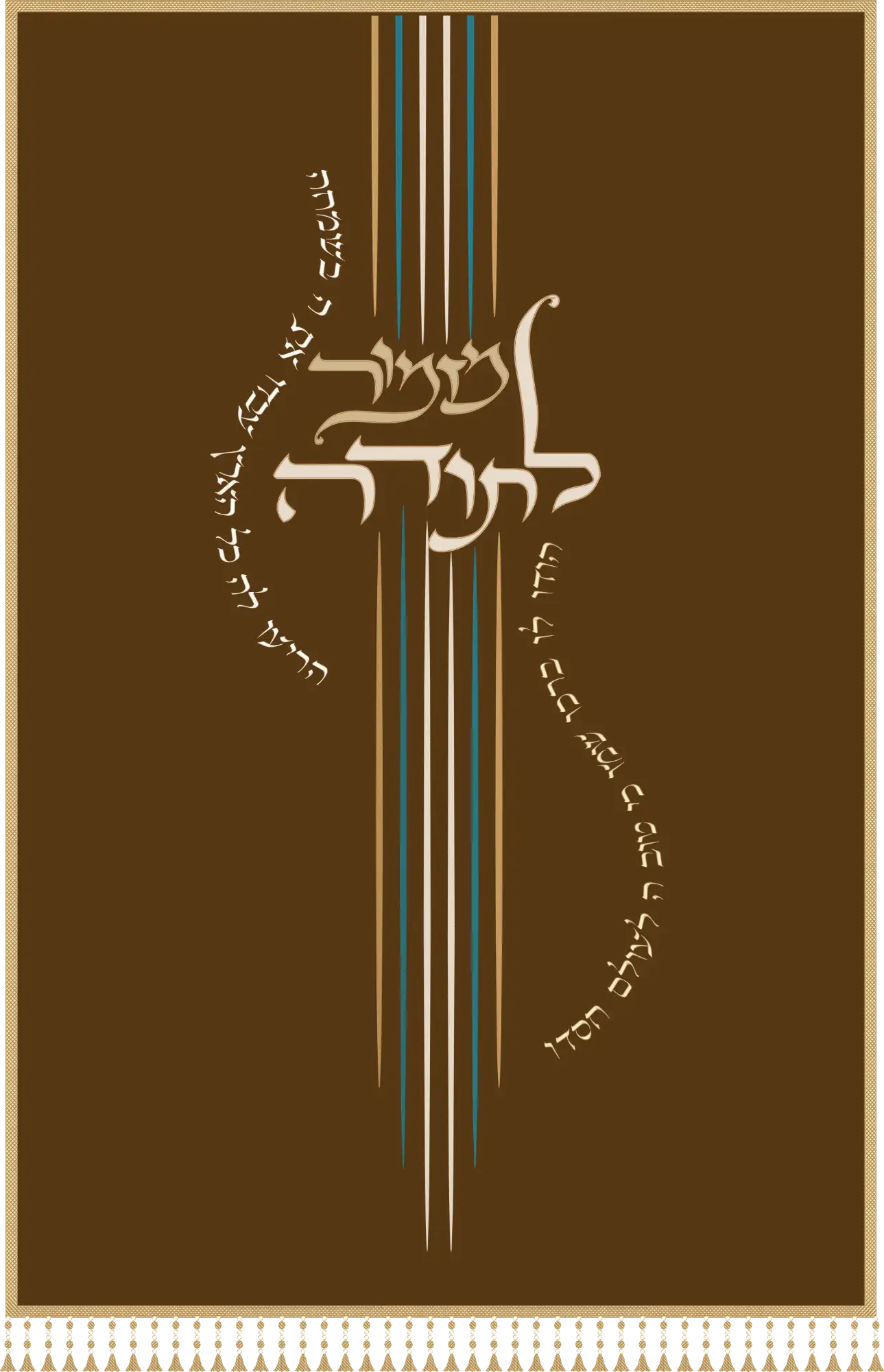
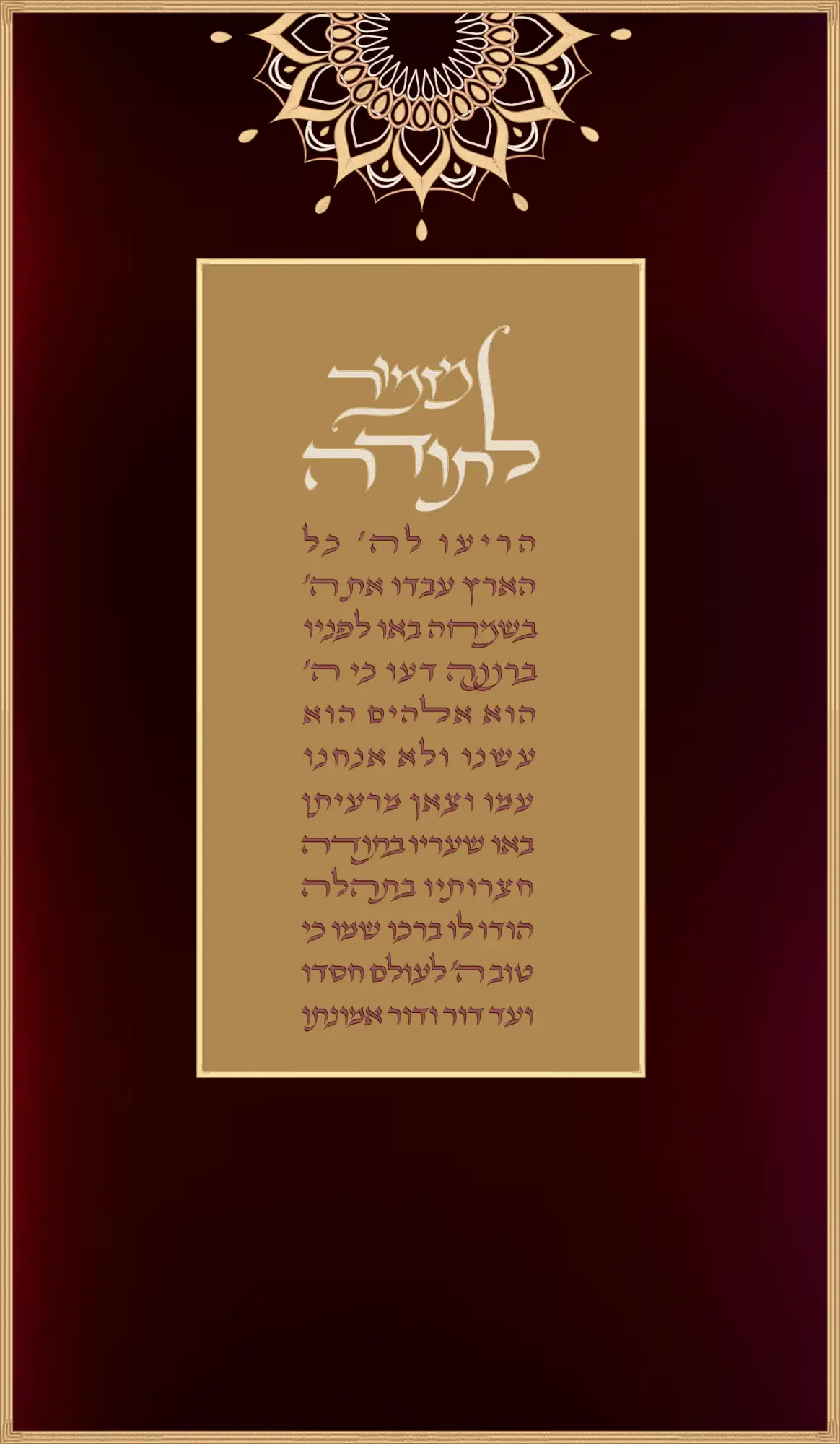
- Contemporary (חדשני) — clean lines and modern color palettes suited to newer sanctuaries.
Motifs at a Glance
| Style | Central Motif | Typical Setting |
|---|---|---|
| Moroccan Gate | Ornamental archway | Sephardic and Moroccan-heritage congregations |
| Crown | Royal crown | General use, symbolizing the crown of Torah |
| Tablets of the Covenant | Two tablets | General use, echoing Sinai |
| Menorah | Seven-branched lamp | General use, evoking the Temple |
Materials and Craftsmanship
Materials matter as much as motif. Most handmade curtains combine a base fabric — commonly velvet or silk — with metallic or silk-thread embroidery, and many communities add a matching kapporet (the valance above the curtain) so the full ensemble frames the ark doors. The choice of thread, fabric weight, and stitch technique all affect how the finished piece catches light in the sanctuary and how well it holds up over years of use.
Choosing the Right פרוכת for Your Synagogue
Choosing among the available styles is easier with guidance from artisans who specialize in this craft. Studios such as Hichala (היכלא) hand-embroider parochet curtains to a congregation's chosen motif, fabric, and measurements, so the finished piece matches both the ark's dimensions and the community's character. For inspiration before settling on a final design, congregations are welcome to browse our gallery of parochot.
Frequently Asked Questions
Is "parochet" singular or plural?
Parochet is the singular form, and פרוכות is the plural — used both for more than one curtain and for the category of curtain as a whole.
Can a synagogue own more than one ark curtain?
Yes — many congregations keep several curtains and rotate them for Shabbat, the Days of Awe, and other festivals, following a widespread custom of visually marking each occasion.
What is typically embroidered on a parochet?
Common motifs include verses from Psalms or the liturgy, the Tablets of the Covenant, a menorah, a crown, or symbols tied to the Twelve Tribes, though the specific choice is ultimately up to each community.
However a congregation approaches the decision, the sheer variety of פרוכות available today means there is a design to match almost any sanctuary's history and hopes. Taking time to explore the styles, motifs, and materials behind these curtains helps ensure that whichever one is chosen will honor the ark — and inspire the congregation — for years to come.