
An Aron Sifrei Kodesh (ארון ספרי קודש) is a cabinet or bookcase set aside to hold sacred Jewish texts — Chumashim, volumes of Talmud, siddurim, and other sifrei kodesh — with the honor that Jewish tradition asks us to show holy writings. It is a familiar fixture in synagogue study halls, yeshivas, and many Jewish homes, standing quietly apart from the Aron Kodesh that houses the Torah scroll itself. Knowing how the two differ, and how to care for a collection of holy books, helps a community give its Torah literature the dignity it deserves.
In Brief
- An Aron Sifrei Kodesh is a dedicated cabinet for holy books such as Chumashim, Talmud volumes, and siddurim, kept separate from the Ark that holds the Torah scroll.
- Unlike the Torah ark, this bookcase carries no fixed requirement for a particular design or orientation, though it is still treated with care and respect.
- Synagogues, yeshivas, and private homes commonly place one near the study area so sacred texts stay protected yet within easy reach.
- Holy books too worn to use are traditionally set aside in a genizah rather than discarded with ordinary trash.
What Is an Aron Sifrei Kodesh?
An Aron Sifrei Kodesh is, at its simplest, a bookcase reserved for sacred literature rather than everyday reading material. The term combines aron (cabinet) with sifrei kodesh (holy books) — a broad category that includes the Chumash, Mishnah, Talmud, works of halacha, siddurim, and machzorim. Because these volumes are filled with words of Torah, custom holds that they should not be piled on an ordinary shelf, left on the floor, or handled carelessly. A dedicated cabinet gives them a stable, respectful home and keeps a room feeling organized and dignified.
How It Differs from the Aron Kodesh (Torah Ark)
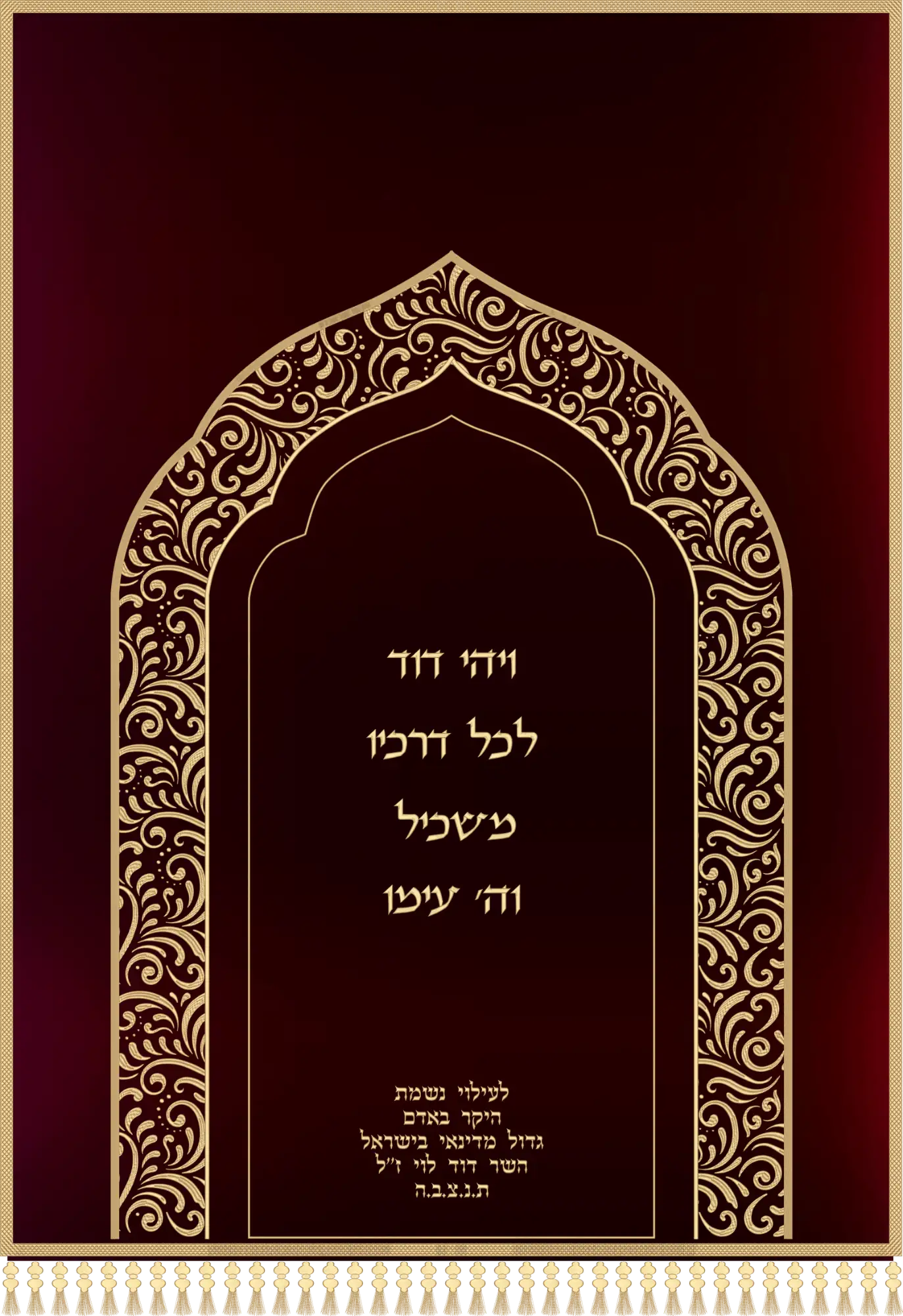
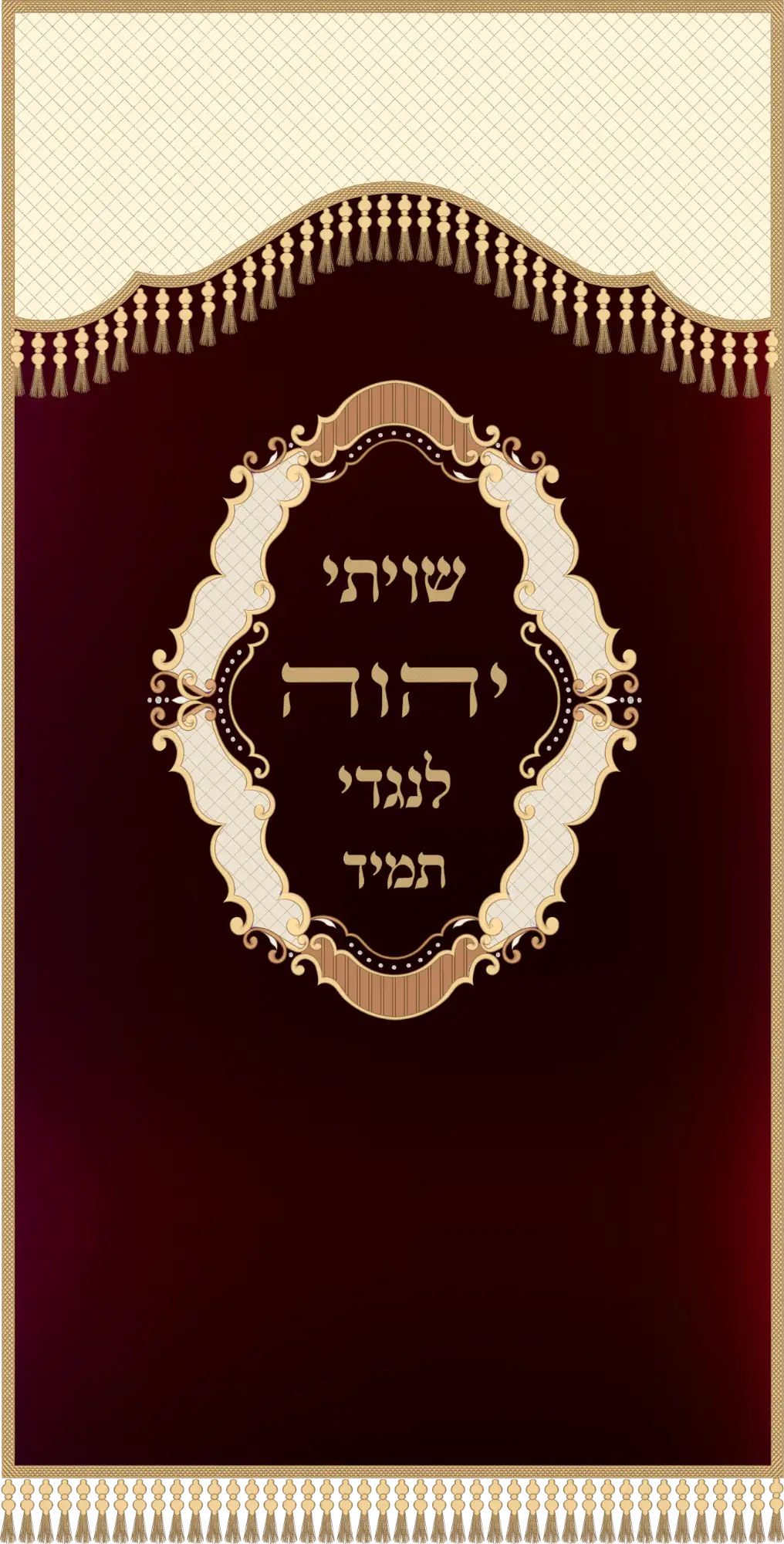
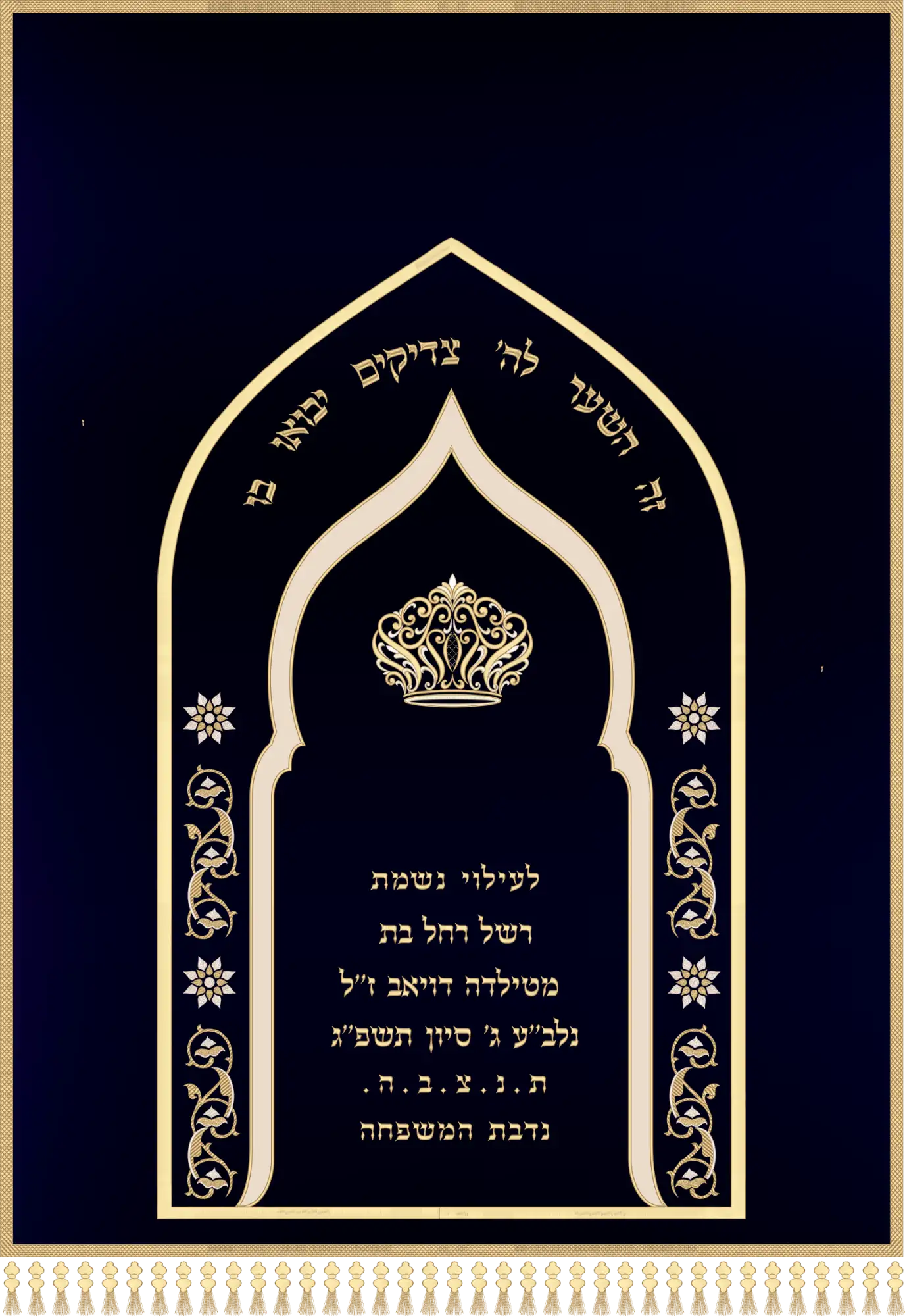
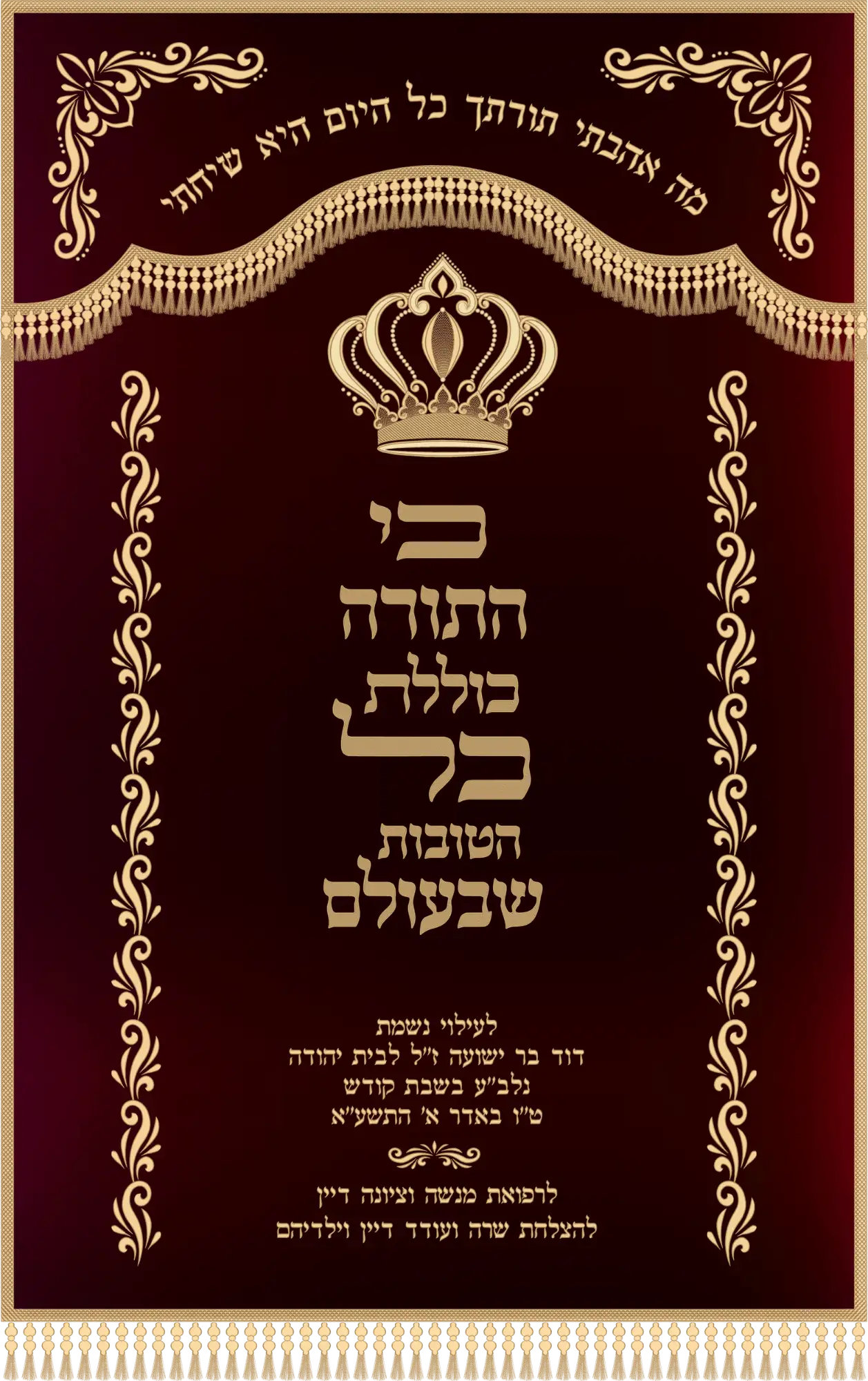
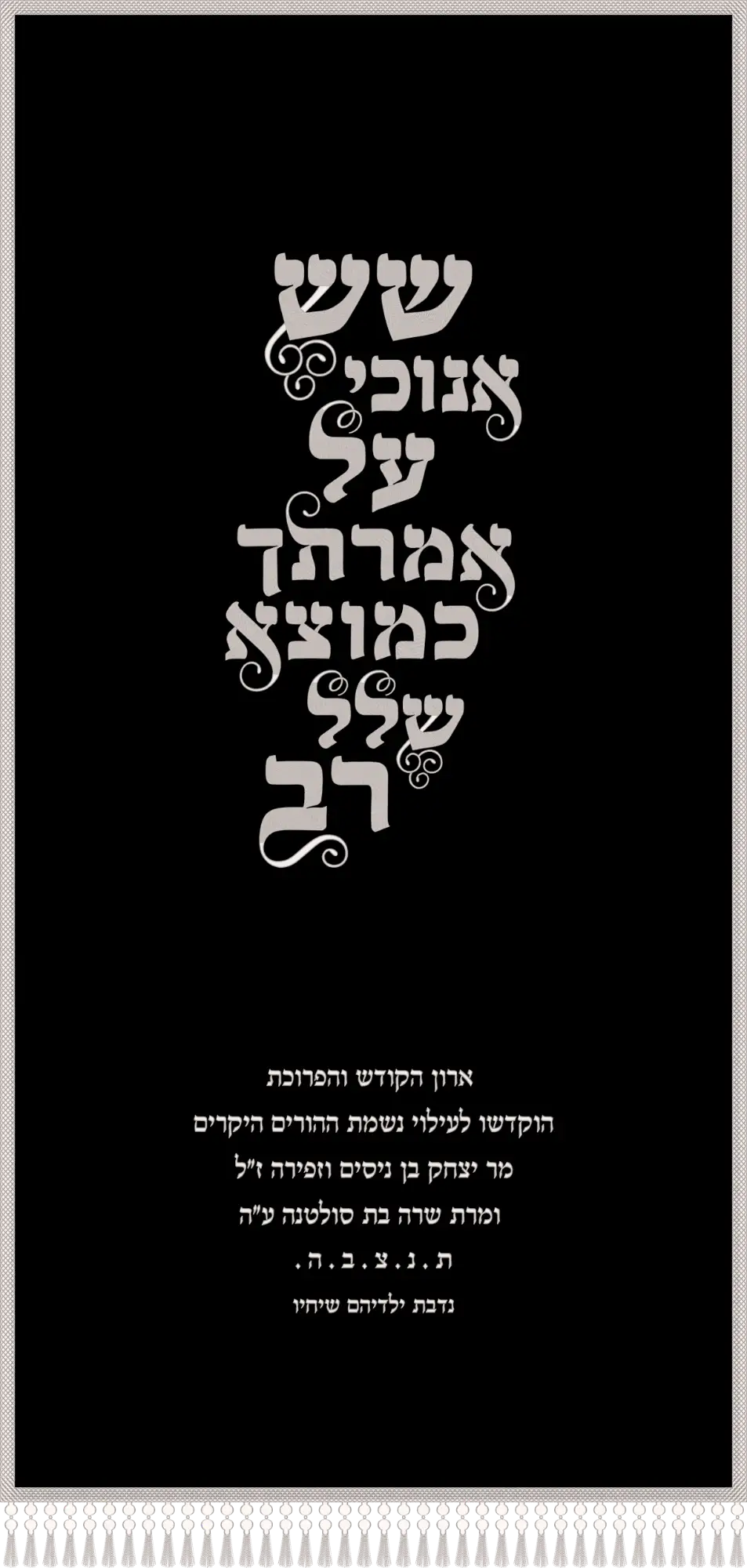
The Aron Kodesh is the Ark that holds the Torah scroll itself, standing at the front of the synagogue, often dressed in a hand-embroidered parochet and treated with the highest degree of sanctity. A bookcase for holy books serves a different, complementary purpose: it houses the printed works read and studied around the Torah, not the scroll itself. Many communities place it along a side wall of the sanctuary or study hall, while the Ark remains the focal point facing the congregation. Both cabinets share a spirit of honor for sacred writing, even though the specific customs tied to a Torah scroll apply only to the Ark — you can read more about that role in our post on the sacred home of the Torah in every synagogue.
Where You'll Find One
This kind of cabinet appears wherever Jewish learning and prayer take place regularly. Common settings include:
- Synagogue study halls (batei midrash), where it sits near the tables used for daily learning.
- Yeshivas and seminaries, organizing multiple sets of Talmud and commentaries.
- Private homes, often in a study or living room, holding the family's siddurim, Chumashim, and holiday machzorim.
- Synagogue lobbies or entryways, offering congregants siddurim and Tehillim before davening.
Anyone curious about how communities also beautify the Ark itself is welcome to browse our gallery of parochot for design inspiration.
Materials and Design Considerations
Because an Aron Sifrei Kodesh holds books rather than a scroll, its construction leaves more room for practical, everyday furniture choices than the Ark does. The table below summarizes a few common considerations.
| Feature | Common Choice | Why It's Chosen |
|---|---|---|
| Wood type | Oak, walnut, or mahogany | Durable and gives a dignified appearance |
| Doors | Glass-paned or solid wood | Glass displays the spines; solid doors shield books from light and dust |
| Placement | Side wall of a study hall or living room | Keeps texts accessible yet respectfully set apart |
| Adornment | Carved crest, plaque, or small drape | Echoes the honor shown to the parochet on the Aron Kodesh |
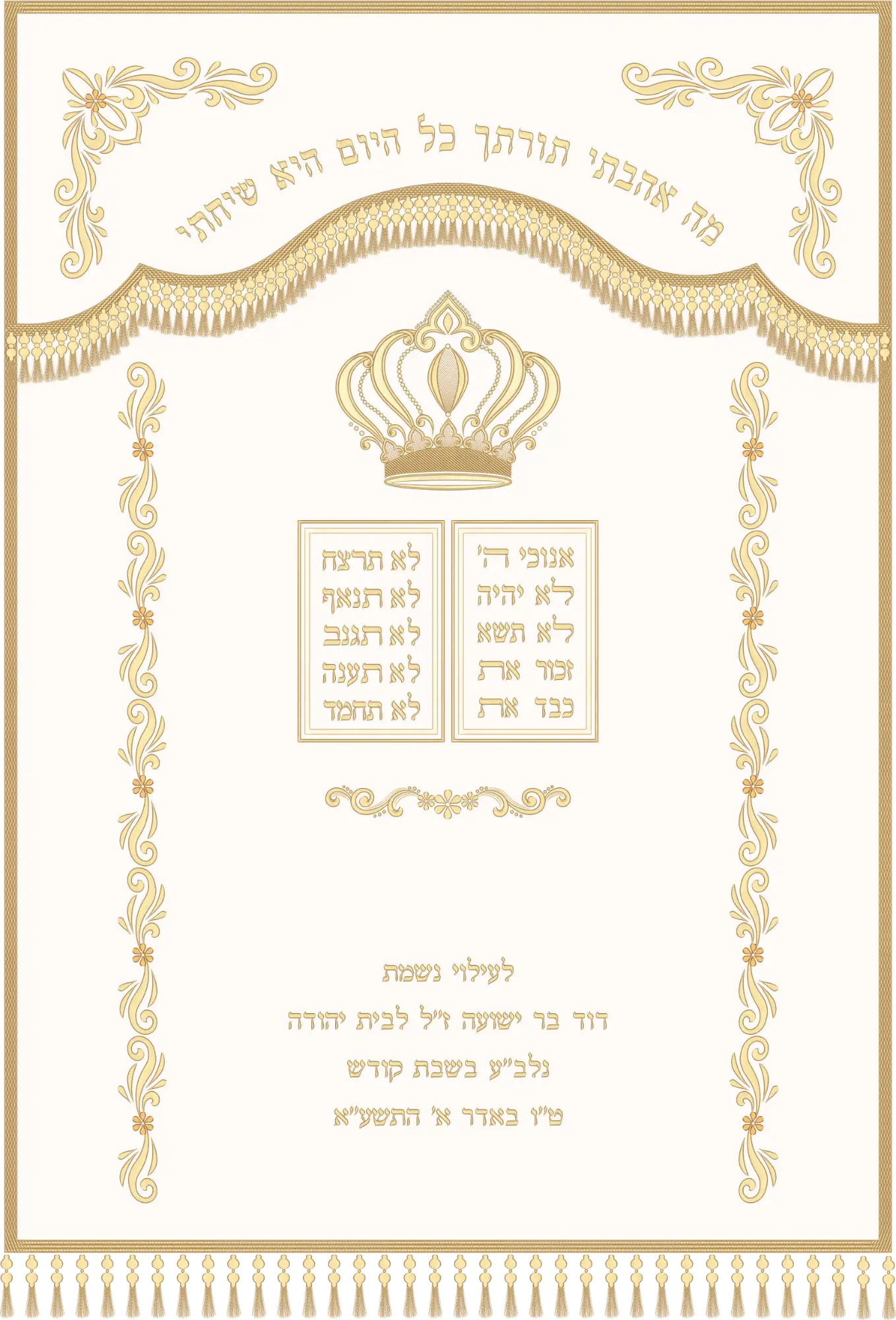
Some families and shuls even choose to hang a modest curtain across the shelves, drawing on the same tradition that inspires an ornate Tablets of the Covenant parochet on the Torah ark, or a design featuring a golden menorah alongside the Tablets.
Caring for the Books Inside
Regardless of the cabinet's style, a few simple habits keep a collection of holy books in good condition:
- Store books upright and supported so bindings don't warp over time.
- Keep the cabinet away from direct sunlight and damp walls.
- Dust shelves and covers gently on a regular basis.
- Set aside torn or unusable pages for a genizah rather than the trash, following local community practice.
These habits mirror the same respectful approach many communities take toward the beit midrash as a whole — a space built around learning, where every object down to the bookcase reflects the value placed on Torah study.
A Shared Tradition of Honor
Whether it stands beside the Ark or in a family's living room, an Aron Sifrei Kodesh reflects the same instinct that leads synagogues to commission a finely embroidered parochet for their Torah scrolls. At Hichala (היכלא), that instinct shapes every curtain stitched for the Aron Kodesh — a reminder that honoring sacred objects, large or small, is part of the same living tradition.
Frequently Asked Questions
What is the difference between an Aron Sifrei Kodesh and an Aron Kodesh?
An Aron Kodesh is the Ark that holds the Torah scroll and stands at the front of the synagogue, while an Aron Sifrei Kodesh is a separate cabinet for holy books like Chumashim, Talmud, and siddurim.
Is there a special way to arrange the books inside?
There is no single fixed rule, but many people arrange volumes by set and keep more frequently used books, like siddurim, within easy reach, while storing larger or less-used sets together.
What should be done with holy books that are too worn to use?
Damaged pages or books that can no longer be used are traditionally placed in a genizah rather than thrown out with regular waste, following the practice of the local community or rabbi.
In the end, a bookcase for sacred texts is a small but meaningful piece of furniture: it keeps a community's learning materials organized, protected, and treated with the respect they deserve, standing as a quiet companion to the Ark at the heart of the synagogue.