
ארונות קודש, or Holy Arks, are the sacred cabinets built into or placed against the eastern wall of a synagogue to house the Torah scrolls between readings. Every synagogue in the world, from a modest shtiebel to a grand city sanctuary, is organized around this single focal point. Learning about the history, styles, and customs surrounding ארונות קודש reveals why this piece of furniture is treated as the spiritual center of Jewish communal life.
What Are ארונות קודש? The Sacred Center of Every Synagogue
In Hebrew, "aron kodesh" literally means "holy cabinet." Across the world, ארונות קודש are traditionally positioned so that a congregant facing them is also facing Jerusalem, echoing the direction toward the ancient Temple. The cabinet's doors are almost always covered by a decorative curtain, the parochet, which is drawn or opened depending on the moment in the service. This layered design – wood or stone on the outside, embroidered fabric on the inside – has remained remarkably consistent for centuries, as described in general overviews of the Torah ark's history and function.
Styles and Traditions: How ארונות קודש Differ Across Communities
While the purpose of ארונות קודש is universal, their appearance varies widely depending on the community's heritage and the artistic traditions it carried from its country of origin:
- Ashkenazi arks often feature carved wooden doors, twin columns, and imagery of crowns or the Tablets of the Covenant.
- Sephardic arks tend toward elaborate gilded frames and rich, formal symmetry.
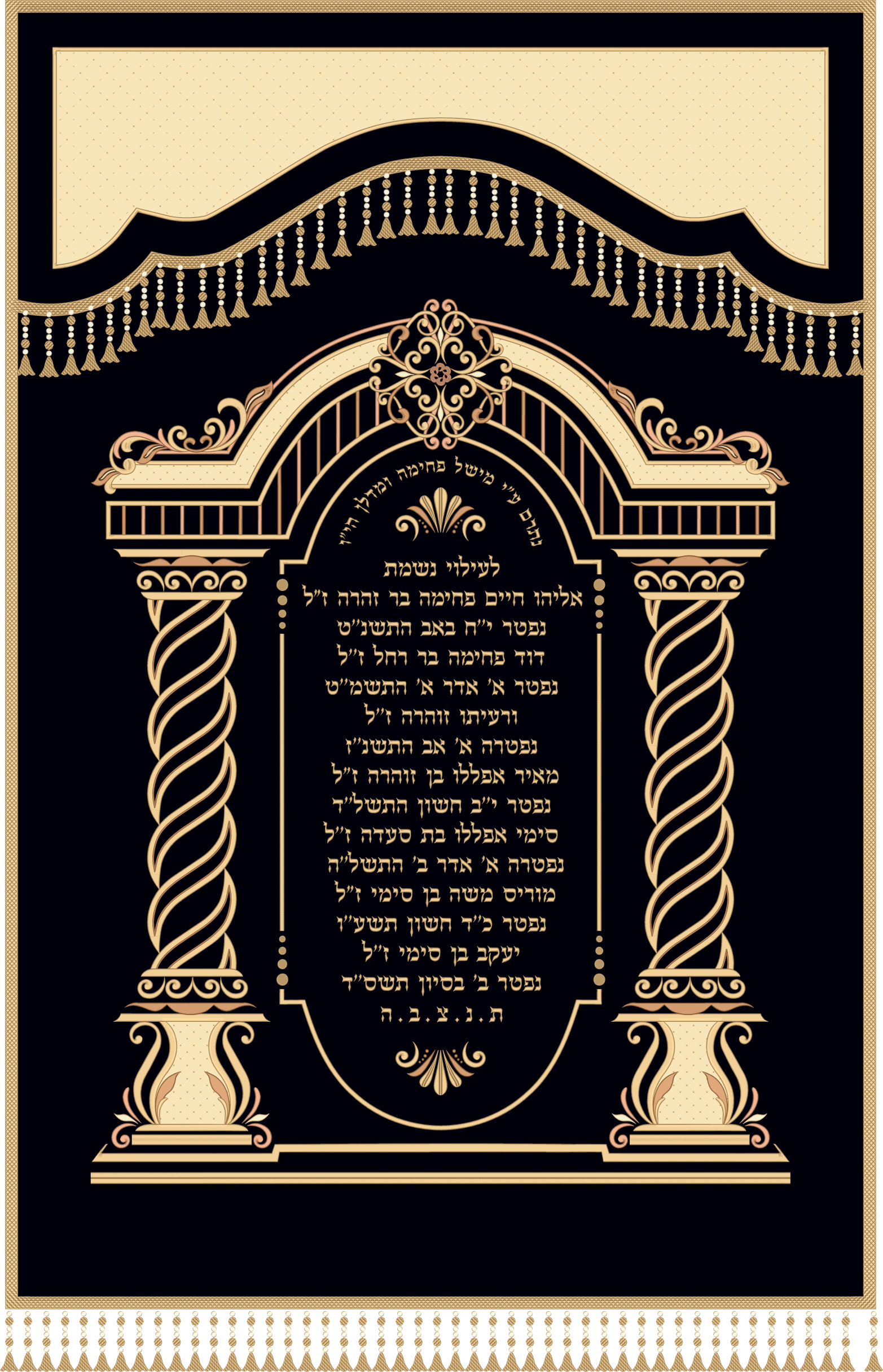
- Moroccan and North African arks incorporate horseshoe archways and geometric patterning inspired by regional architecture.
- Yemenite arks are frequently simpler in structure, letting the surrounding textiles carry the visual weight.
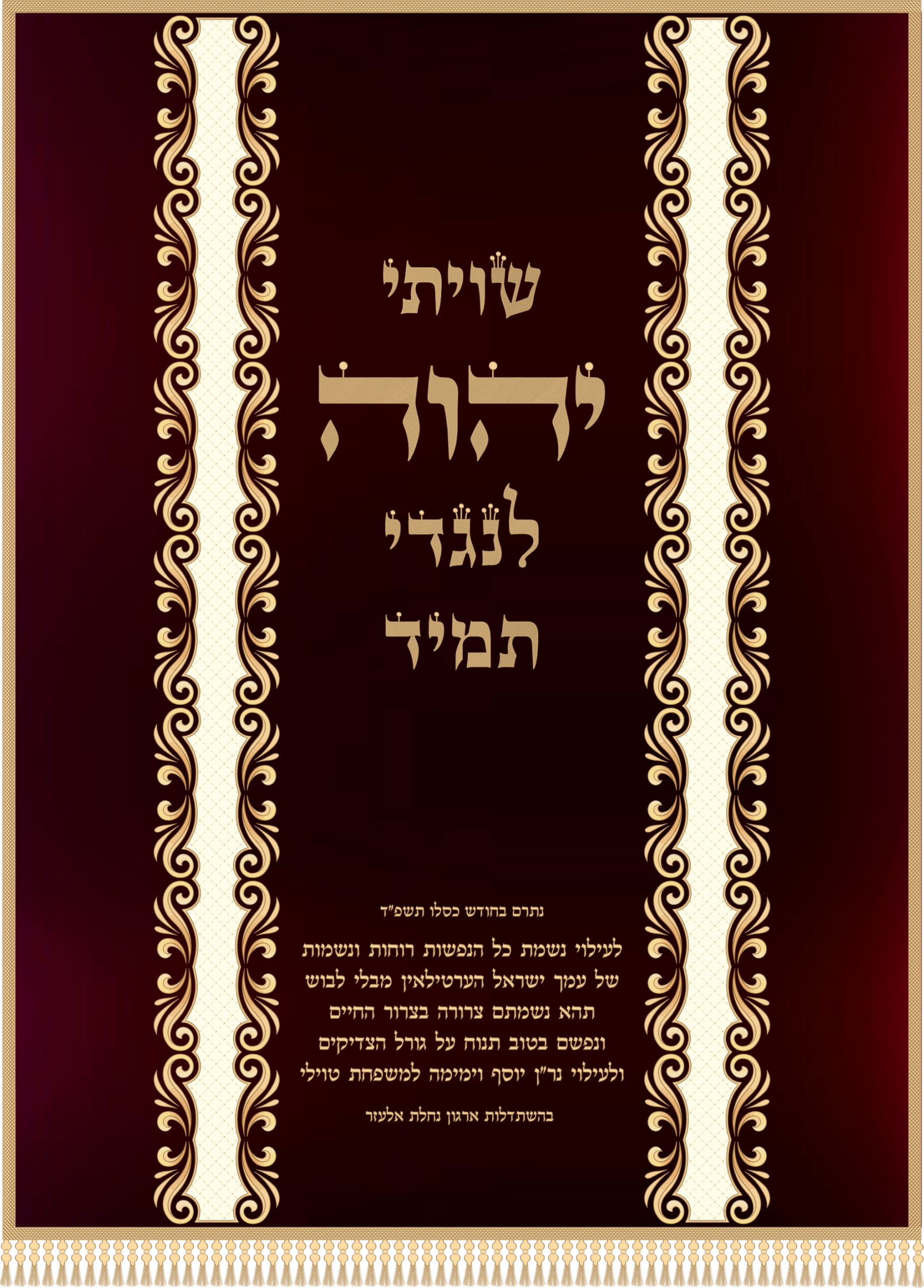
- Modern arks lean toward clean lines and minimalist materials, allowing a single striking curtain to define the space.
Congregations often choose a style for their ארונות קודש that reflects the founders' background, which is one reason two synagogues a few blocks apart can look completely different at the front of the room.
The Parochet: The Curtain That Completes Every Ark
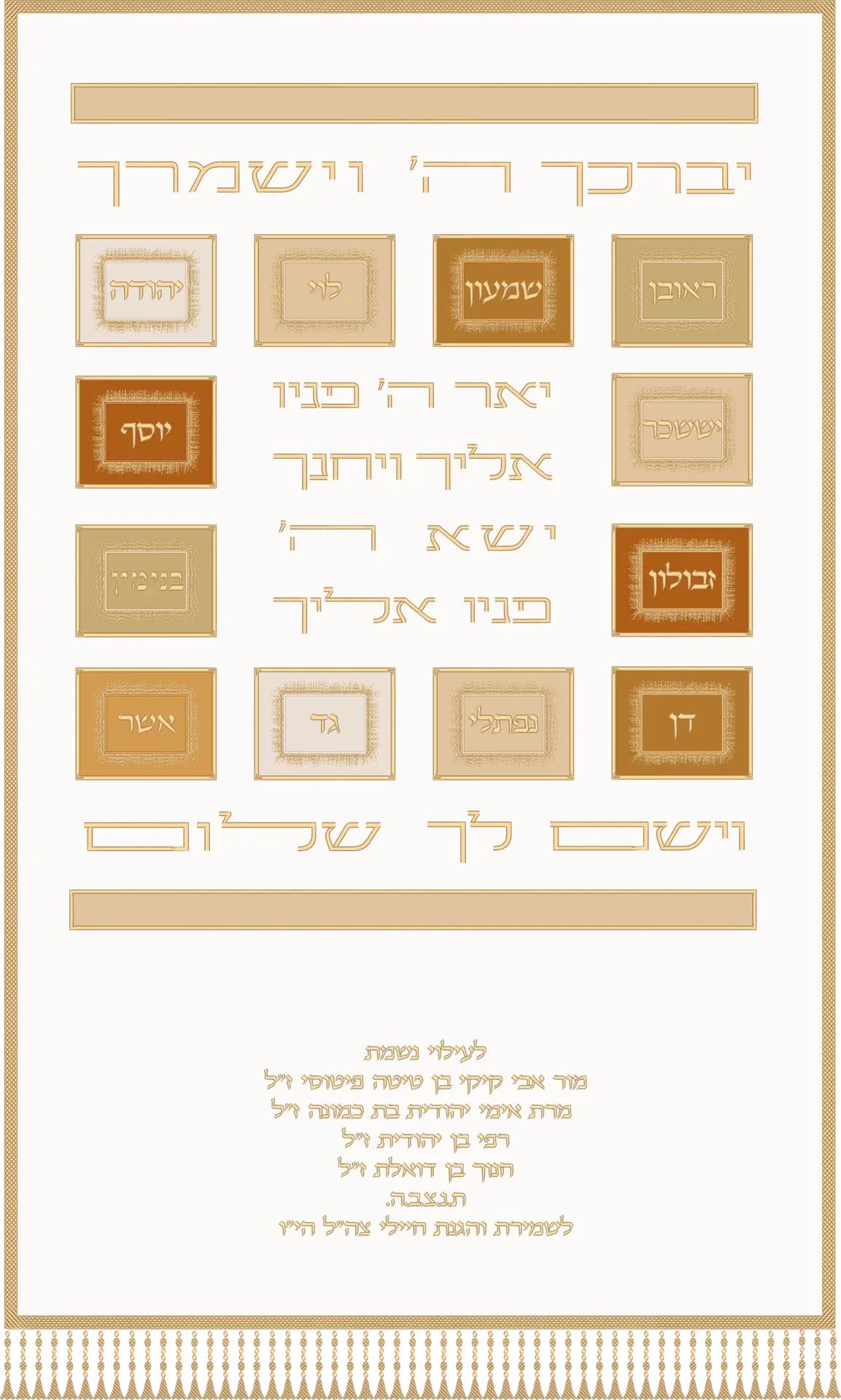
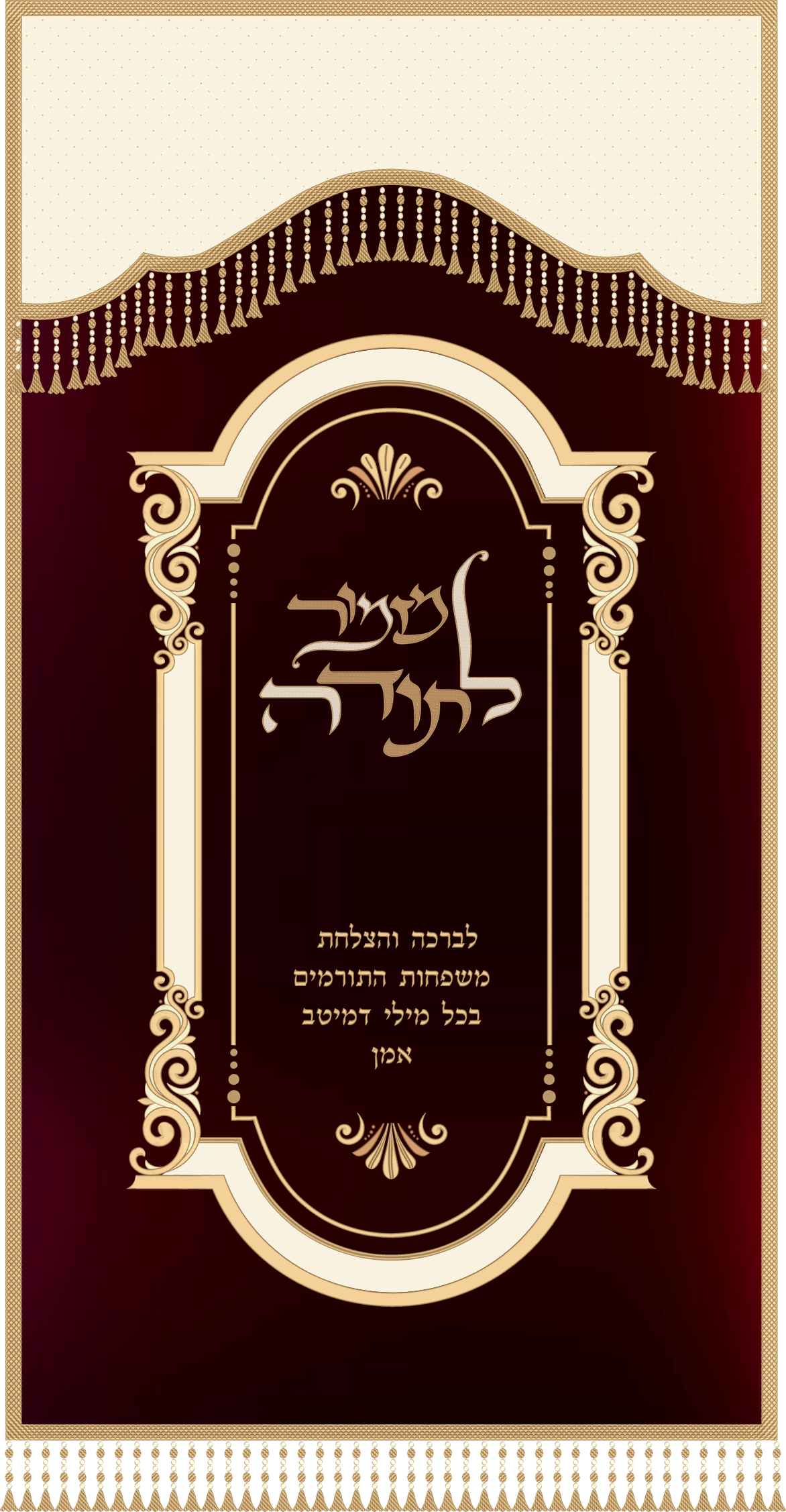
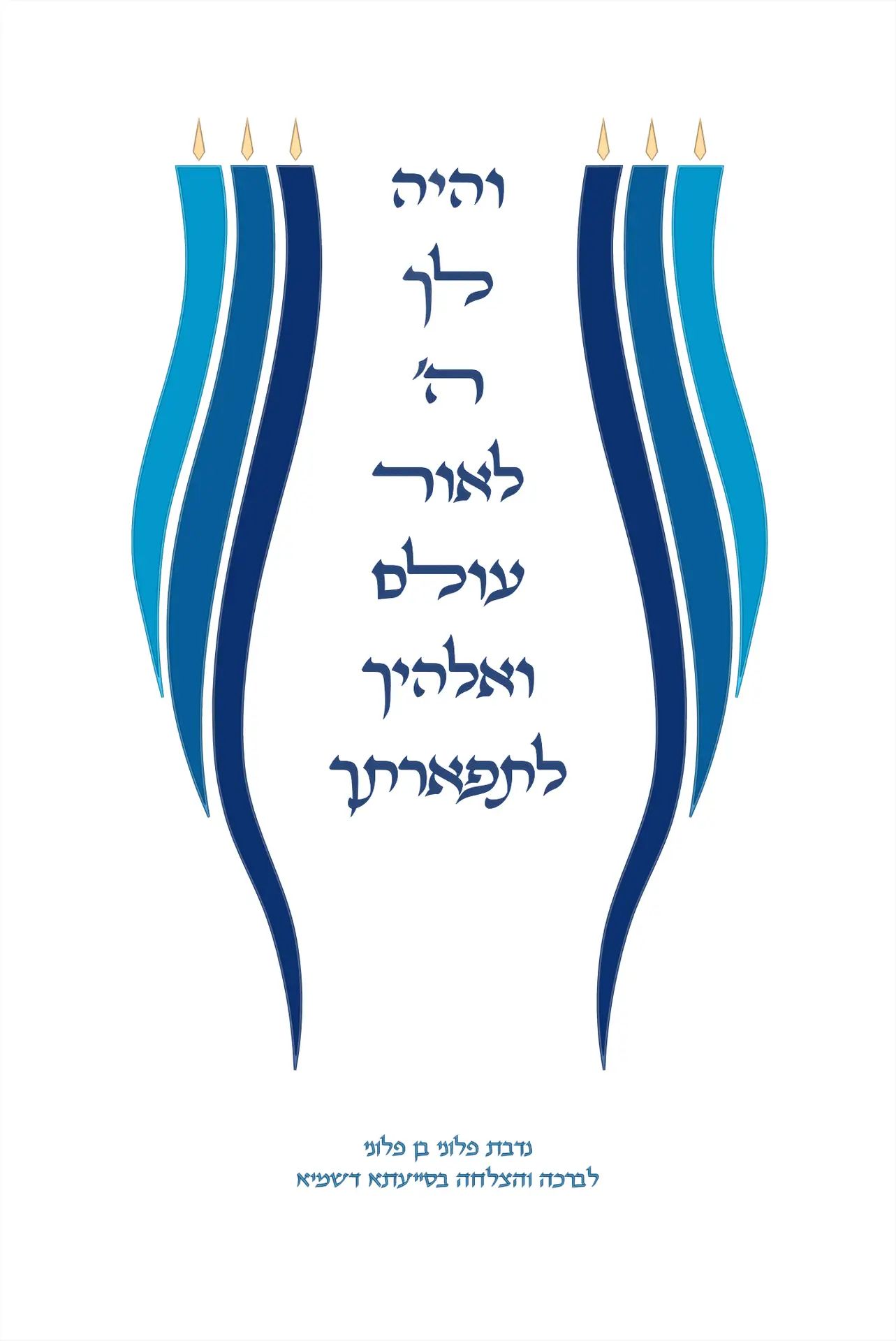
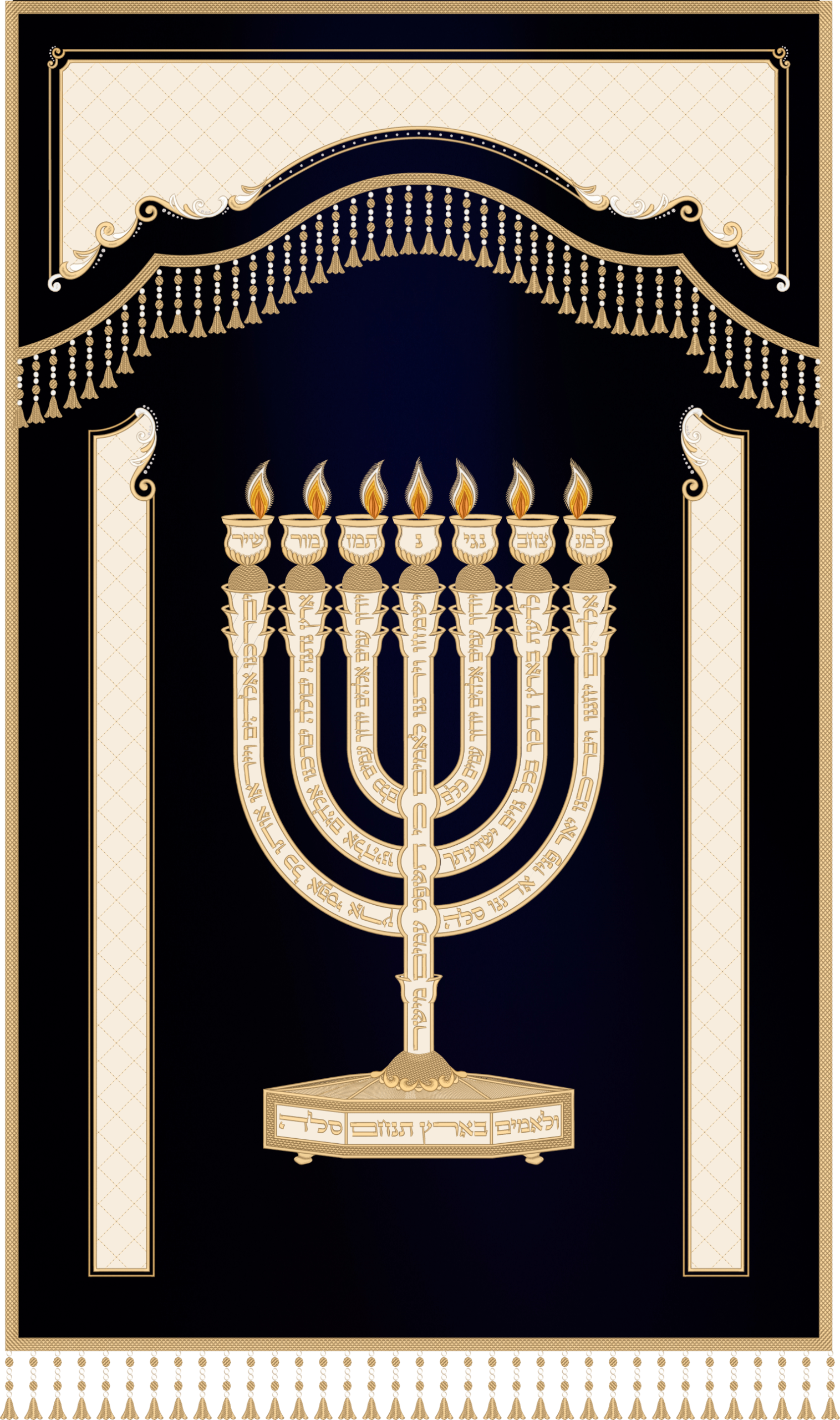
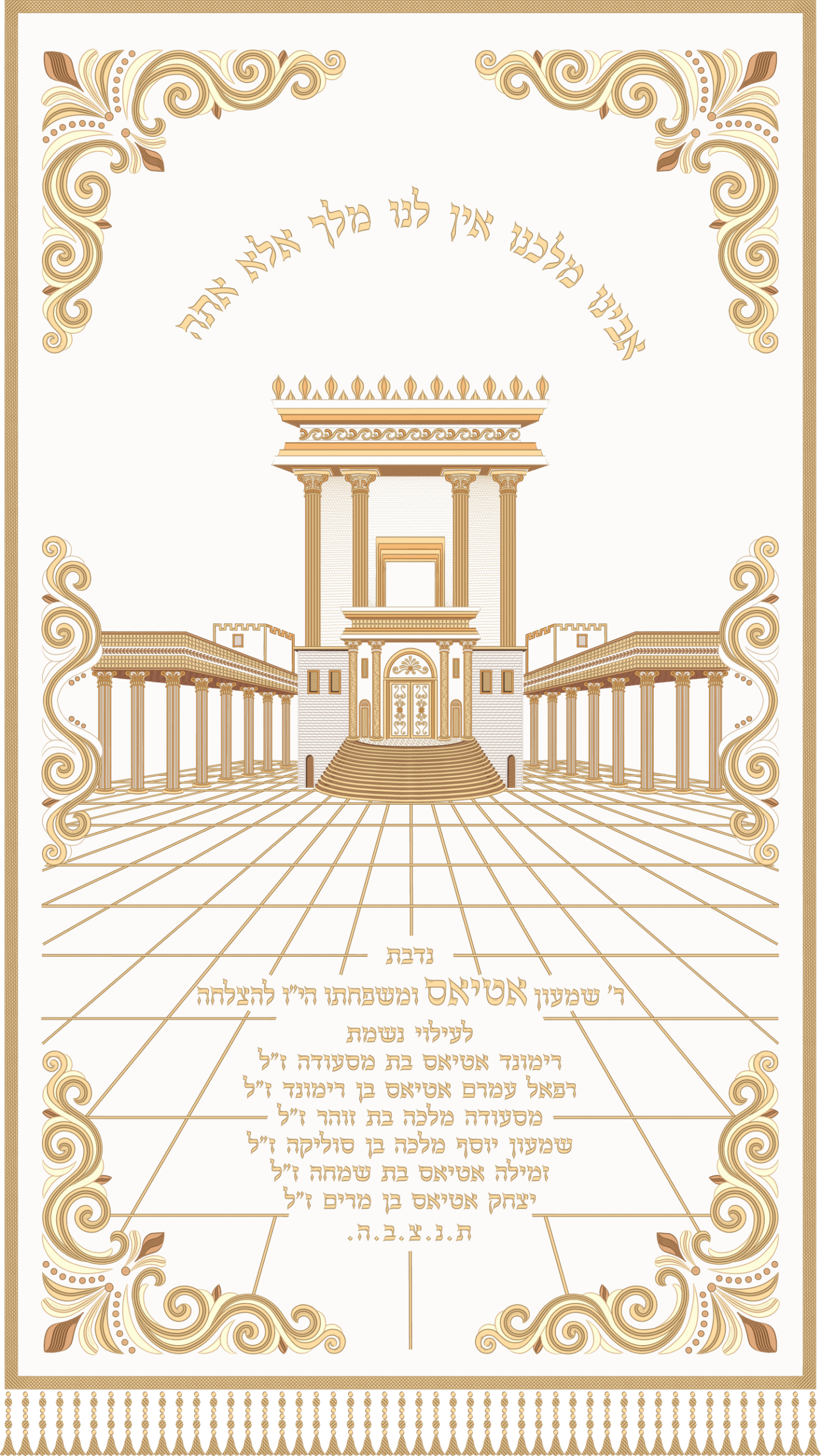
No discussion of ארונות קודש is complete without the parochet, the curtain hung across the doors. It softens the cabinet, protects the scrolls from dust, and gives the community a way to mark the calendar – many congregations rotate curtains for the High Holidays, Shabbat, and weekdays. A curtain echoing Temple imagery, such as the Luxury Holy Temple Parochet, connects the ark visually to Jerusalem, while a design like the Moroccan Gate Parochet honors a community's North African roots. For congregations that favor crowned, royal motifs on their ארונות קודש, a piece such as the Magnificent Crown Parochet speaks to the majesty the ark is meant to convey.
Choosing or Renewing ארונות קודש for a Growing Congregation
Synagogue boards planning a new build, a renovation, or simply a refreshed look for their ארונות קודש usually work through the same set of decisions:
- Size and proportion – the ark must comfortably hold every scroll the community owns, with room to grow.
- Materials – solid wood, stone, or metal frames each carry different maintenance needs and costs.
- Symbolic motifs – crowns, tablets, lions, and Temple scenes each carry distinct meaning worth discussing with the community.
- Complementary textiles – the parochet, its lining, and any matching mantles should be chosen together for visual harmony.
- Custom and consultation – many congregations consult their rabbi on placement and design details before finalizing plans.
General background on synagogue design customs, including the treatment of the ark, can also be found through resources like My Jewish Learning, which is a useful starting point for boards researching options.
Frequently Asked Questions about ארונות קודש
What is kept inside ארונות קודש?
The primary contents are the community's Torah scrolls, usually dressed in mantles or wrapped in cloth, and often stored alongside other sacred items such as the pointer (yad).
Why do ארונות קודש typically face Jerusalem?
Placing the ark on the wall facing Jerusalem follows the widespread custom of orienting prayer toward the site of the ancient Temple, so that the congregation faces the same direction as it reads from the Torah.
What is the difference between the ark and the parochet?
The ark (aron kodesh) is the physical cabinet that holds the scrolls, while the parochet is the decorative curtain hung over its doors; together they form the complete visual centerpiece of the sanctuary.
Whether built from carved wood or dressed in richly embroidered fabric, ארונות קודש remain the point every congregant's eyes return to during prayer. Taking the time to understand their history and the customs around them – and choosing a parochet that honors both tradition and beauty – helps a synagogue create a sanctuary that feels timeless for generations to come.