
A במה לבית כנסת (bimah for synagogue) is the raised platform, usually built with steps, a railing, and a reading table, from which the Torah is read aloud and much of the service is led. It matters because it gives the congregation a clear, dignified focal point for the public reading of the Torah, standing second in visual and spiritual importance only to the Aron Kodesh itself.
Walk into almost any synagogue in the world, and your eyes are drawn to two places: the ark that holds the Torah scrolls, and the elevated stage where those scrolls are unrolled and chanted before the community. The way a synagogue positions, builds, and decorates its bimah says a great deal about its history, its community's customs, and the way it wants worshippers to experience the Torah service.
What Is a Bimah (במה לבית כנסת) and Why Every Sanctuary Needs One
The word "bimah" comes from the Greek bema, meaning a raised platform or speaker's stand. In Jewish tradition, the concept is far older than the word: the Book of Nehemiah (8:4) describes Ezra the Scribe reading the Torah to the returning exiles from "a wooden tower" built for that purpose – widely seen as the earliest description of a bimah for synagogue use. Ever since, raising the Torah reader above the congregation has served two purposes at once: it lets everyone see and hear the reading clearly, and it visually elevates the moment of Torah reading above the ordinary rhythm of the service.
Where Tradition Places the Bimah
One of the most distinctive differences between synagogue layouts around the world is where the bimah for synagogue services is actually located:
- Center of the sanctuary – the classical layout found in most Sephardic and many older Ashkenazi synagogues, with seating wrapped around the bimah.
- Front of the sanctuary, near the ark – common in many modern Ashkenazi and American synagogues, bringing the Torah reading and the Aron Kodesh into one shared visual space.
- Combined bimah-and-ark platform – a single elevated area at the front that hosts both the reading table and the ark, popular in newer synagogue architecture.
Each arrangement carries its own logic and its own history, and congregations often choose based on the customs their community has carried for generations. For a broader overview of how synagogue layouts developed over time, the Wikipedia entry on the bimah offers a helpful historical summary.
Design Elements That Elevate a Synagogue Bimah
Beyond location, the craftsmanship of a bimah for synagogue use contributes enormously to the atmosphere of the sanctuary. Common elements include:
- A sturdy reading table (shulchan) sized to hold an open Torah scroll comfortably.
- A railing or banister, often carved wood or wrought metal, marking the platform as a distinct, elevated space.
- Steps or a gentle ramp, allowing the Torah reader and those called to the Torah to ascend with dignity.
- Thoughtful lighting, whether a hanging fixture or side lamps, so the text is easy to read.
- A visual relationship with the Aron Kodesh, so the eye moves naturally between the two focal points.
A well-designed bimah is rarely an isolated piece of furniture. It is planned in conversation with the rest of the sanctuary, especially the ark and its curtain.
How the Bimah and the Ark Curtain Work Together
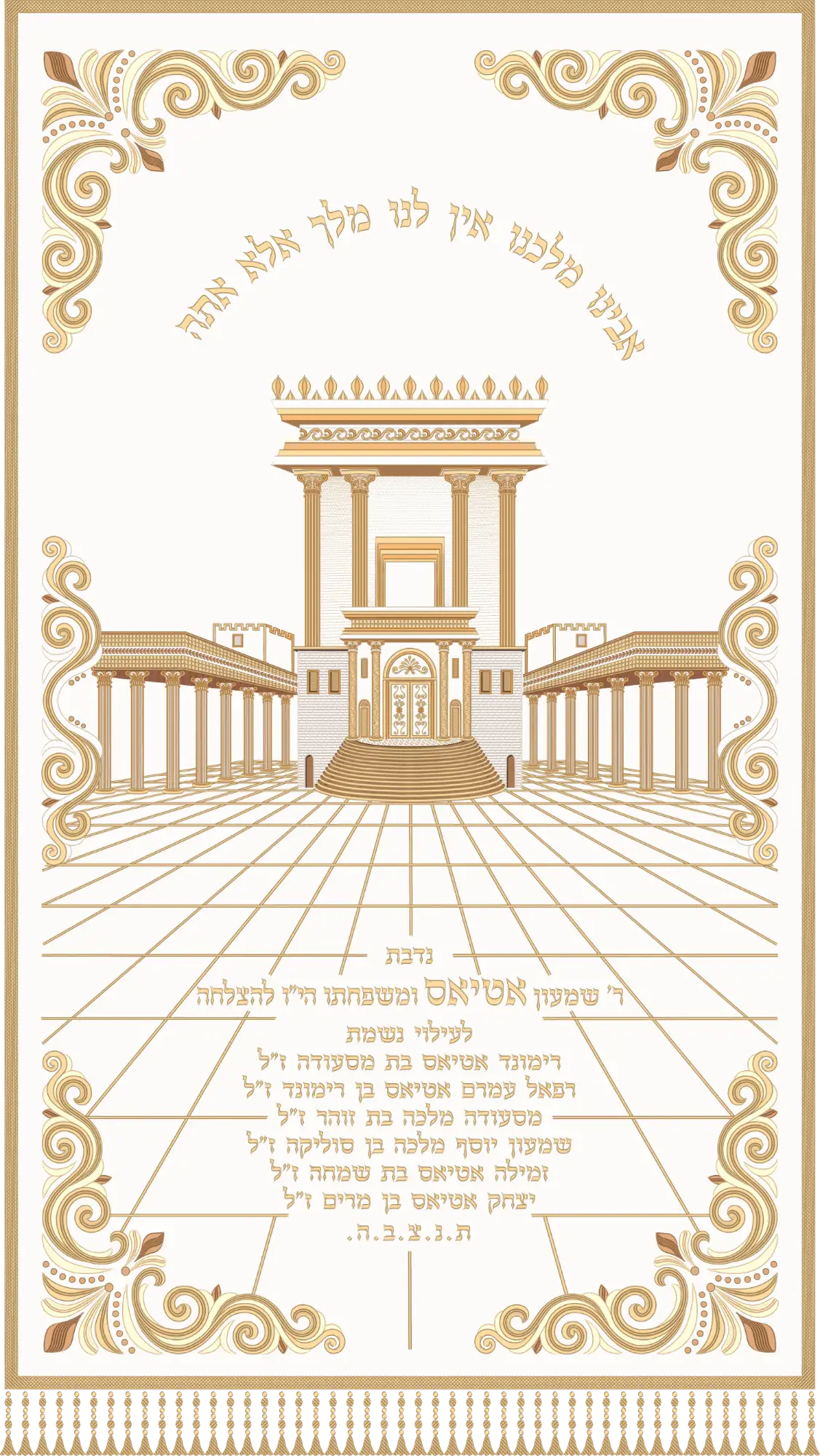
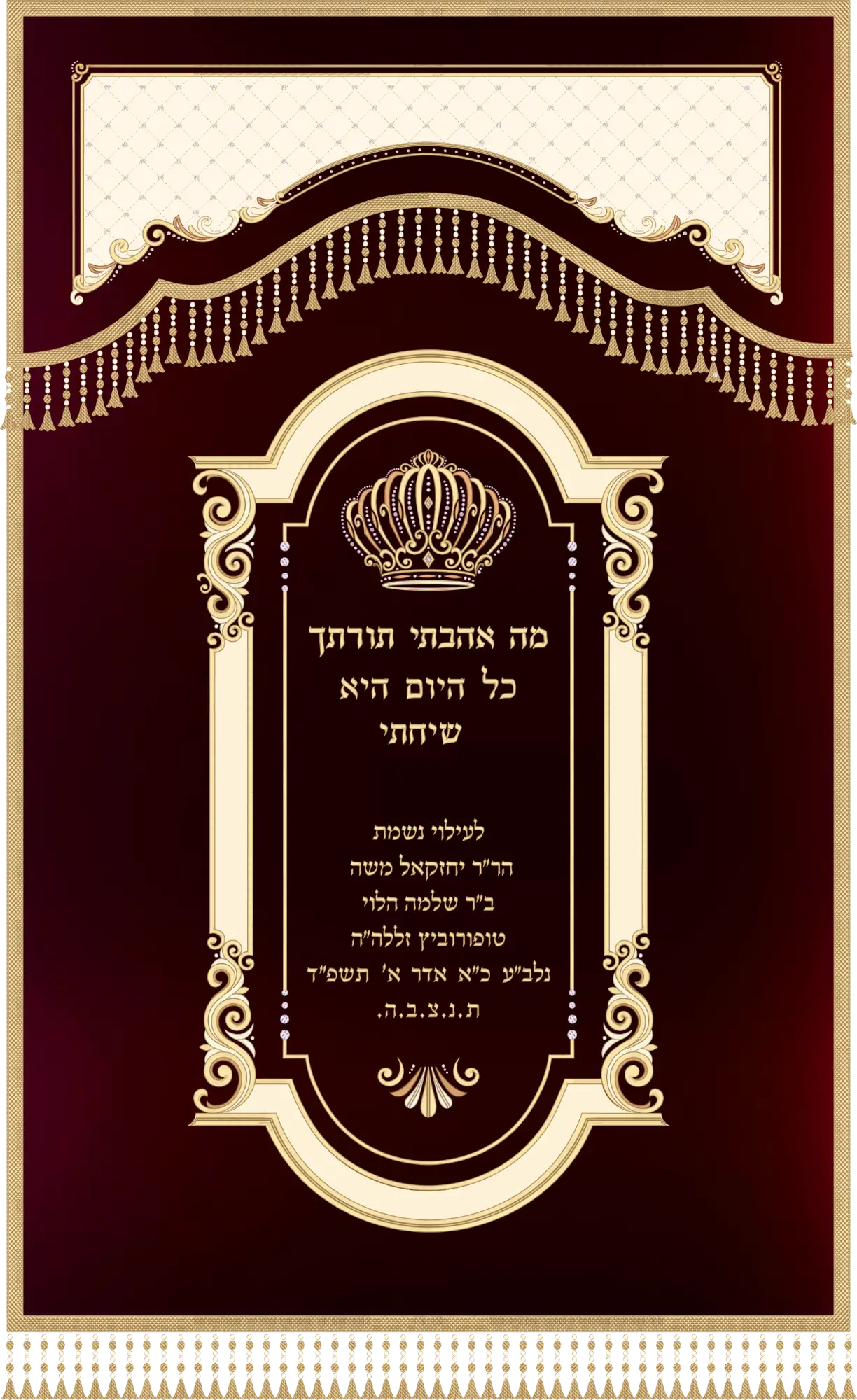
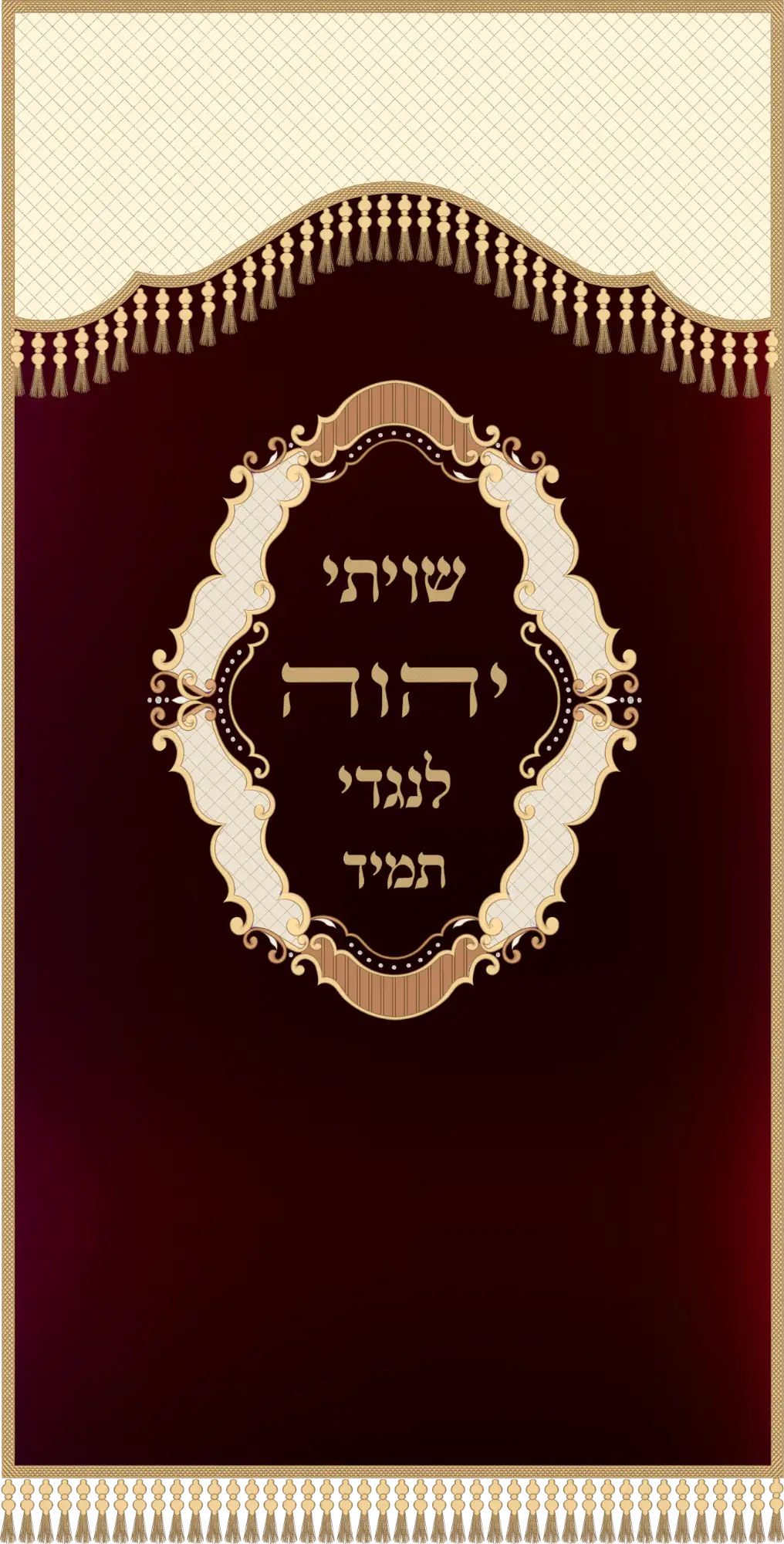
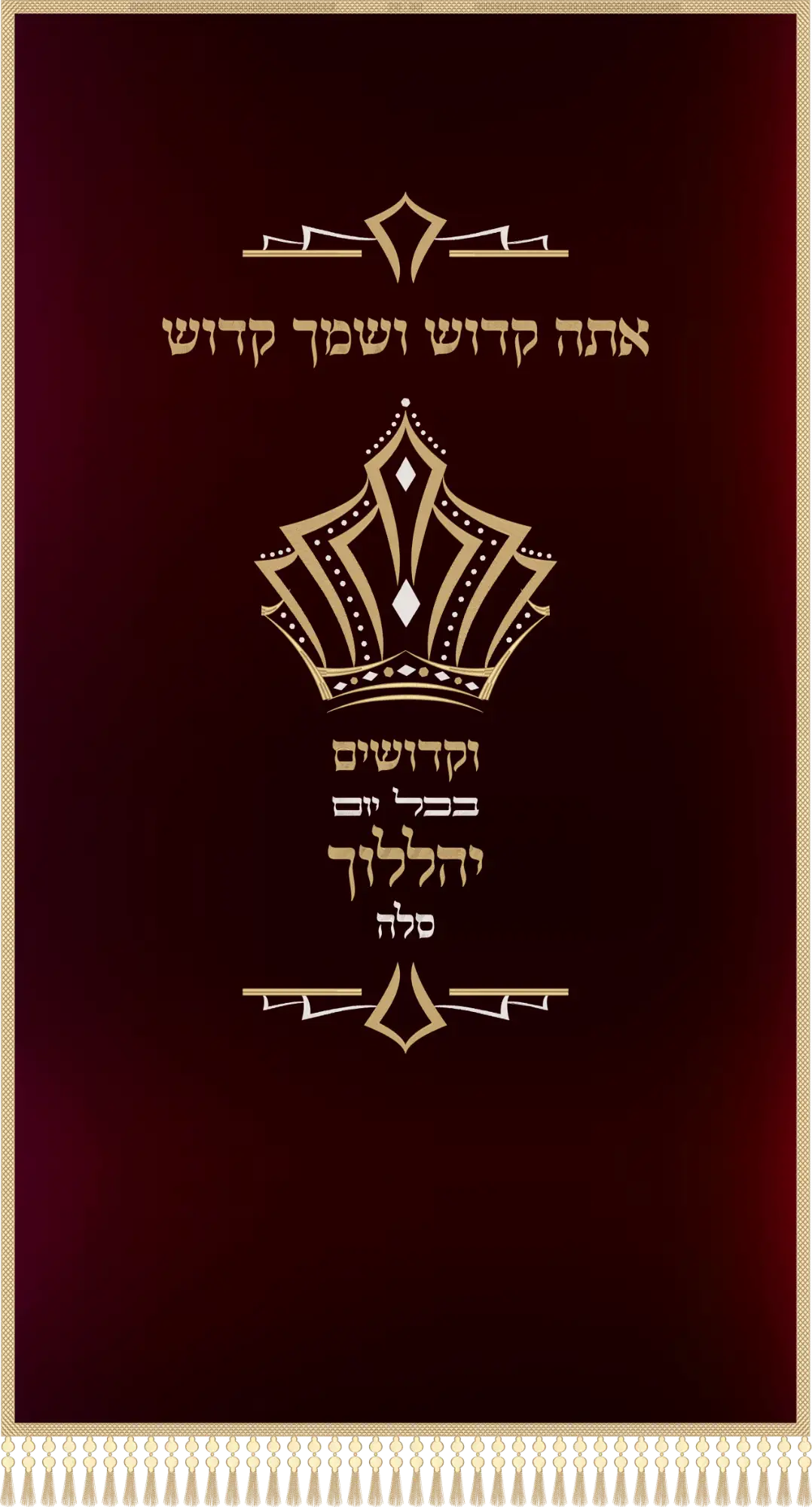
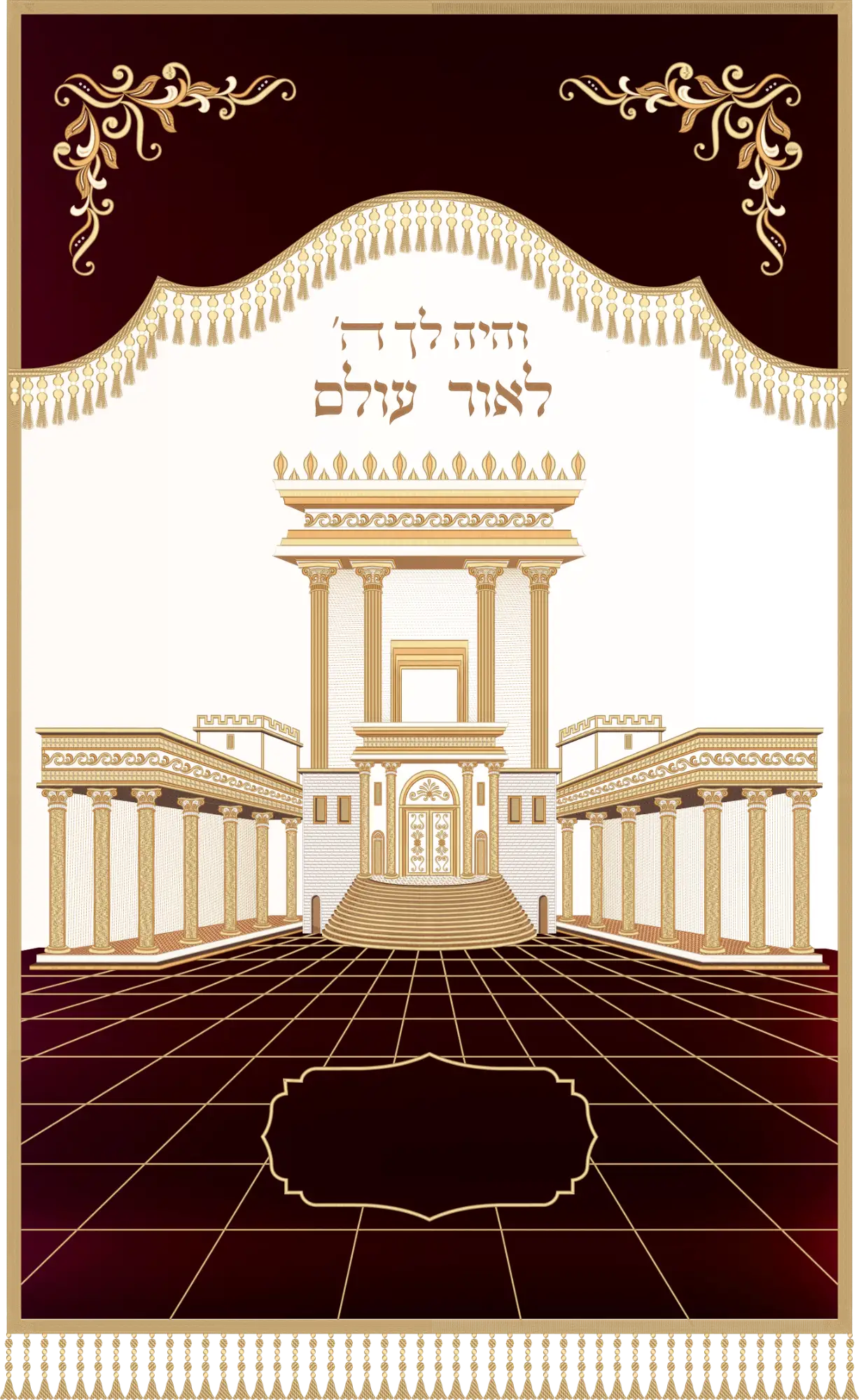
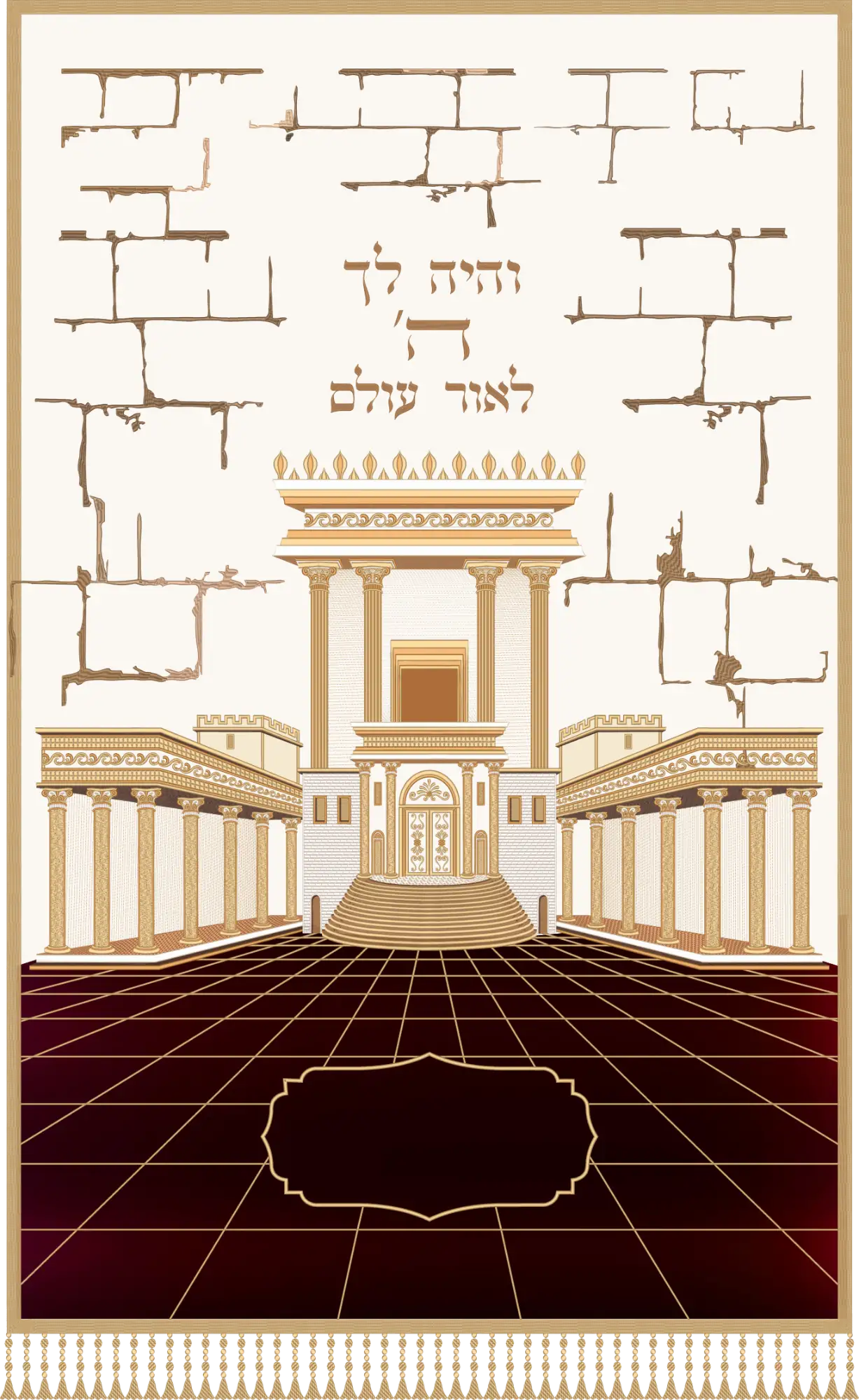
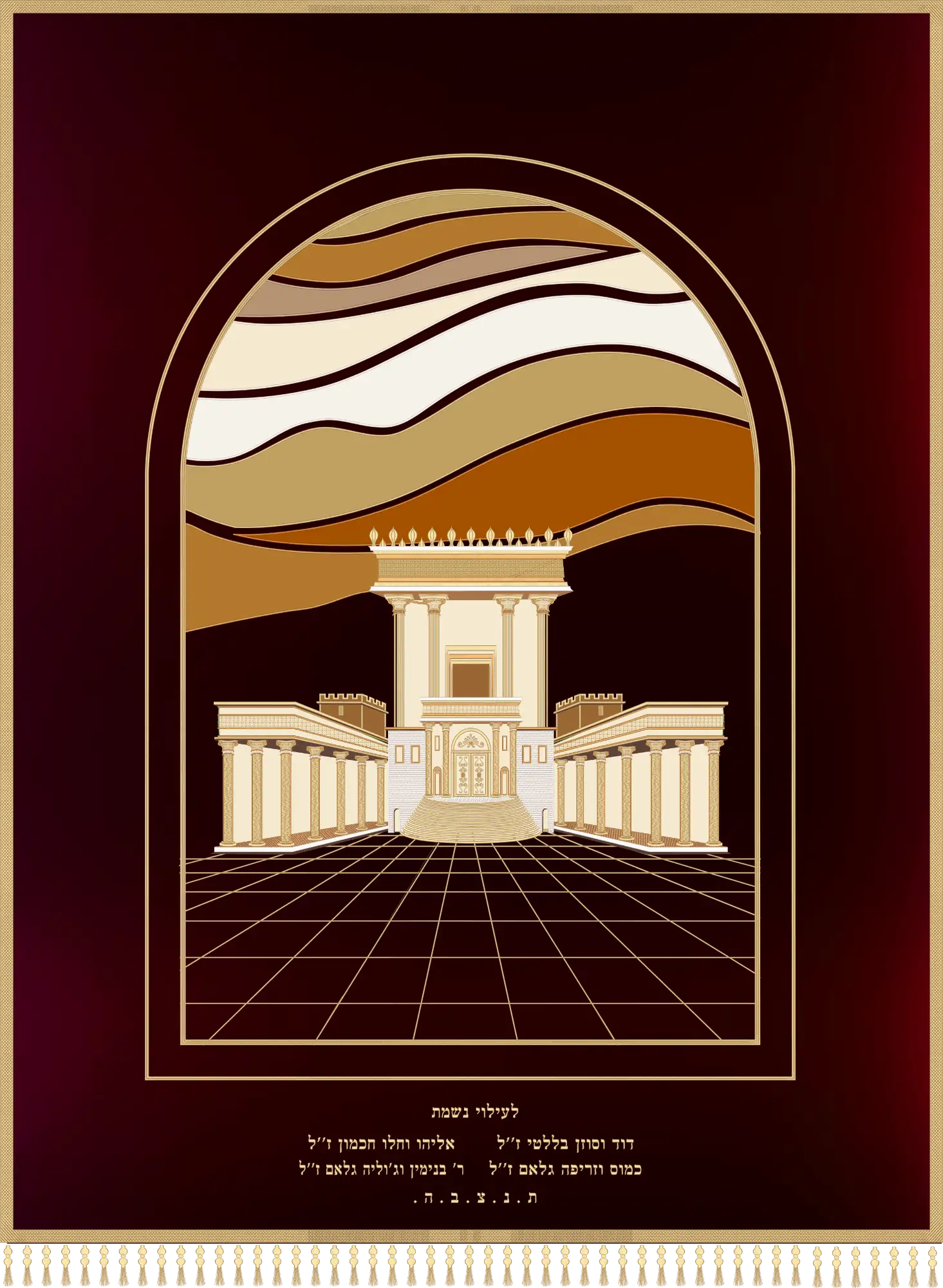
Because the congregation's gaze moves constantly between the bimah and the ark during services, many synagogues treat the two as a matched pair rather than separate elements. A hand-embroidered parochet on the Aron Kodesh, such as an ornate gate-style curtain or a grand Temple-themed Torah ark curtain, can echo the same colors, metallic threads, and craftsmanship found in the bimah's woodwork or metalwork. A crowned parochet design next to a raised bimah reinforces the sense of royal honor given to the Torah as it travels from the ark to the reading table and back. When these two elements are designed together, the sanctuary feels intentional and unified rather than assembled piece by piece.
For congregations planning a renovation or building a new sanctuary, it is worth consulting with both a synagogue architect and an experienced Judaica maker early on, so the bimah for synagogue use and the ark's textiles are considered as one coherent design from the start.
Frequently Asked Questions
Where is the bimah usually located in a synagogue?
It varies by community and era: many traditional layouts place the bimah in the center of the sanctuary, while many modern synagogues place it at the front, near or combined with the ark.
Does Jewish law require a raised bimah?
Raising the Torah reader above the congregation is a long-standing custom rooted in the practice described in the Book of Nehemiah, though specific placement and height are generally matters of community custom rather than fixed obligation, and a rabbi should be consulted for authoritative guidance.
Should the bimah and the ark curtain match in style?
They don't have to match exactly, but many congregations find that coordinating colors, motifs, and craftsmanship between the bimah and the parochet creates a more harmonious and beautiful sanctuary.
Whether centered in the sanctuary or set beside the ark, a well-built and thoughtfully designed במה לבית כנסת anchors the entire experience of hearing the Torah read aloud. Paired with a carefully chosen parochet, the bimah for synagogue worship becomes not just functional furniture, but a lasting expression of honor for the Torah and beauty in the house of God.