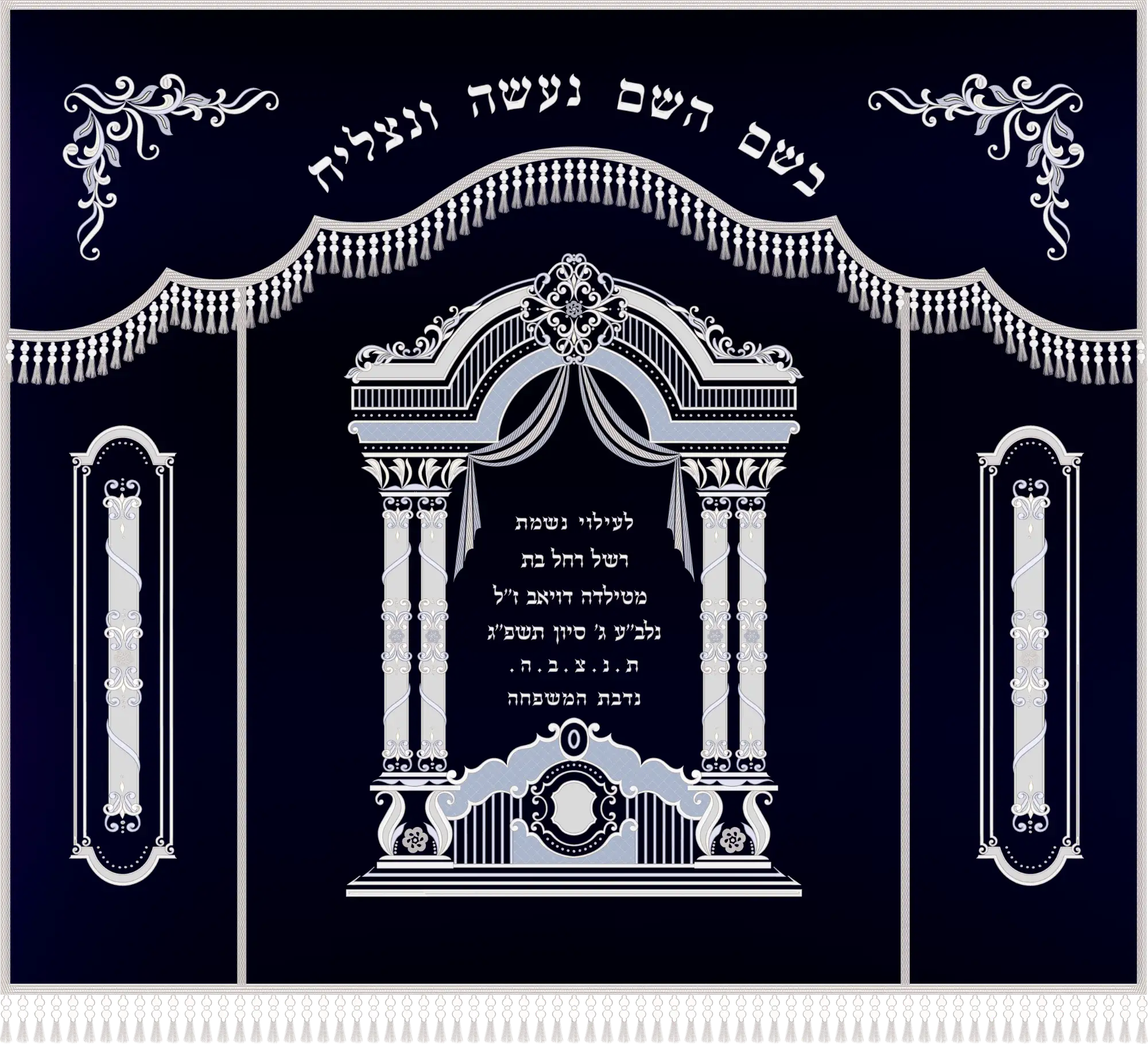

The pomegranate motif in parochet design is one of the most beloved symbols in Jewish textile art, appearing on hand-embroidered Torah ark curtains to represent abundance, the 613 mitzvot, and the sweetness of blessing. Rooted in centuries-old custom and found everywhere from Torah scroll ornaments to the curtain that veils the Aron Kodesh, this motif quietly links a synagogue's most sacred corner to a long chain of Jewish symbolism. Understanding its meaning can help a congregation or family choose a parochet that is both beautiful and deeply rooted in tradition.
Why the Pomegranate? A Fruit Full of Meaning
Few fruits carry as much symbolic weight in Jewish tradition as the pomegranate. Its hundreds of seeds have long been associated with fullness and merit – a popular custom on Rosh Hashanah is to eat a pomegranate while expressing the hope that one's good deeds be as numerous as its seeds, a tradition tied to the well-known idea that the mitzvot number 613 in total. Because the fruit is round, dense, and crowned at its top, it has also come to suggest royalty, completeness, and the crown-like majesty that surrounds the Torah itself.
From Rimonim to Parochet: A Living Tradition
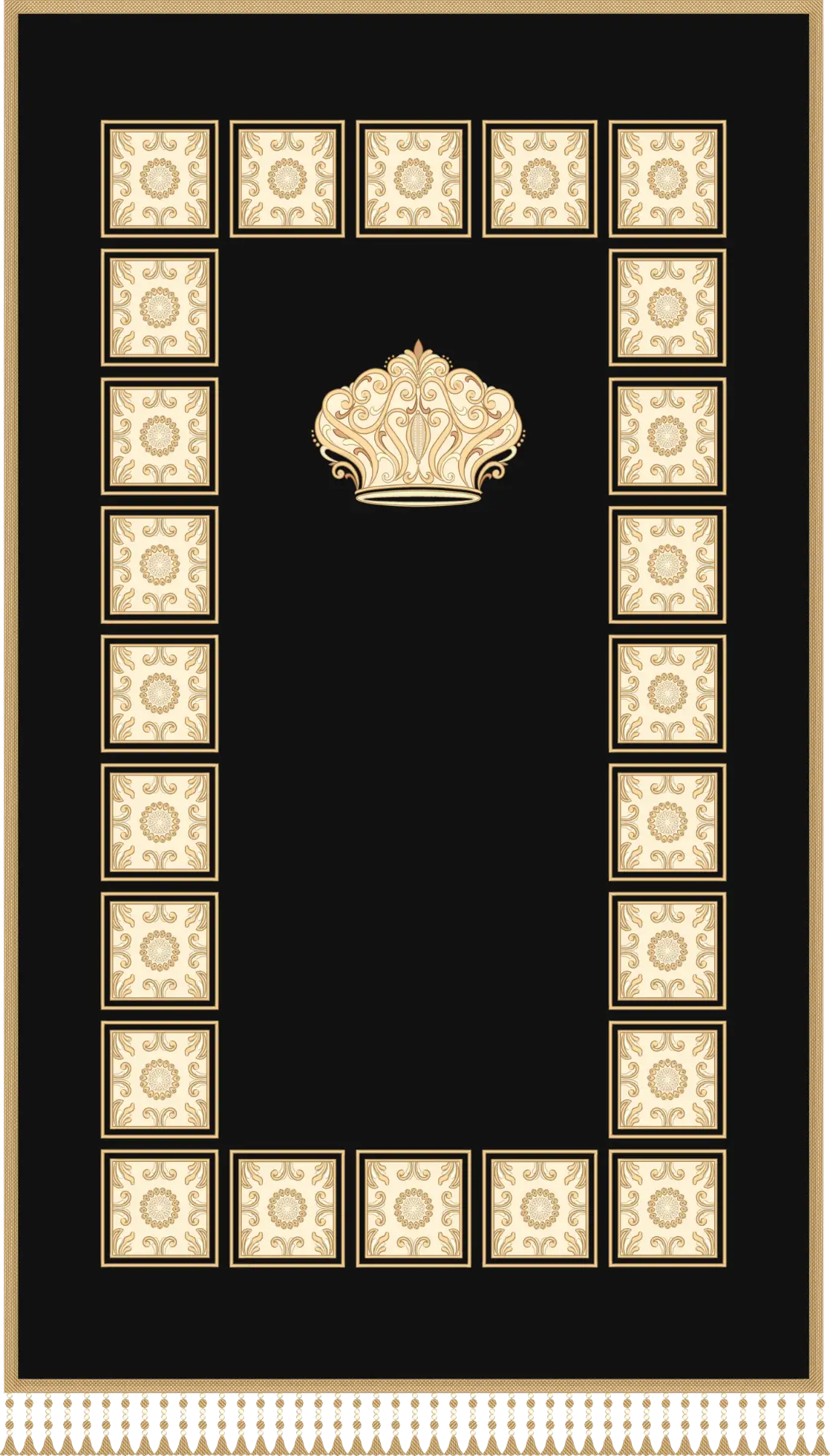
The word for the ornamental finials placed atop a Torah scroll's wooden poles is rimonim – literally, "pomegranates." These silver or gold pieces, known as rimonim, have crowned Torah scrolls in Jewish communities for generations, and over time artisans extended that same fruit imagery beyond the scroll's ornaments into the embroidered textiles that surround it. Pomegranate clusters now appear stitched into the corners, borders, and crowns of many parochet designs, including richly detailed pieces like this ornate crown parochet, where fruit motifs frame the central crown as a visual echo of the Torah's own regal adornments.
The Pomegranate Motif in Parochet Design: How Embroiderers Bring It to Life
Translating a pomegranate into embroidery thread is a delicate craft. Skilled hands use several techniques to make the fruit feel lifelike and dignified rather than purely decorative:
- Raised metallic thread – gold or silver couching stitched over padding gives each pomegranate dimension and a slight sheen.
- Seed detailing – tiny beads, sequins, or French knots inside the fruit's crown suggest the many seeds associated with the 613 mitzvot.
- Clustered placement – pomegranates are often grouped in pairs or trios framing a central image, such as the Tablets of the Covenant, as seen in this Tablets of the Covenant parochet with gold decorations.
- Color palette – deep crimson, burgundy, and gold threads reflect the fruit's natural ripeness and give the design warmth.
Choosing a Pomegranate-Inspired Parochet for Your Synagogue or Home
Families and synagogue committees often want a design that feels personal as well as traditional. A few practical points can help guide the decision:
- Think about the occasion behind the commission – a dedication in memory of a loved one, a new synagogue building, or a simcha often pairs naturally with a symbol of blessing and abundance.
- Consider how the pomegranate motif will sit alongside other elements already present in the sanctuary, such as a menorah, the twelve tribes, or a crown, so the overall composition feels balanced.
- Decide where the fruit clusters should appear – along the border, framing a central crown, or nestled at the corners – since placement changes the entire visual rhythm of the curtain.
- Speak with the embroidery workshop about combining the pomegranate with other meaningful motifs to create a fully custom parochet.
Frequently Asked Questions
What does the pomegranate symbolize on a parochet?
It is traditionally understood as a symbol of abundance, merit, and the many mitzvot, often echoing the pomegranate-shaped rimonim that crown a Torah scroll.
Why are Torah scroll finials called rimonim?
They are named after the pomegranate because their rounded, crowned shape resembles the fruit, a form Jewish communities have used to adorn Torah scrolls for centuries.
Can a pomegranate motif be combined with other Judaica symbols?
Yes – embroiderers regularly weave pomegranates alongside crowns, the Tablets of the Covenant, or the Twelve Tribes to create a richer, more personalized design.
Whether stitched in gold thread around a crown or clustered along a border of crimson silk, the pomegranate motif in parochet design offers a quiet but powerful way to bring centuries of Jewish symbolism into the heart of a sanctuary. A congregation or family choosing this motif is, in effect, continuing a tradition that stretches back to the very ornaments that have crowned the Torah for generations.