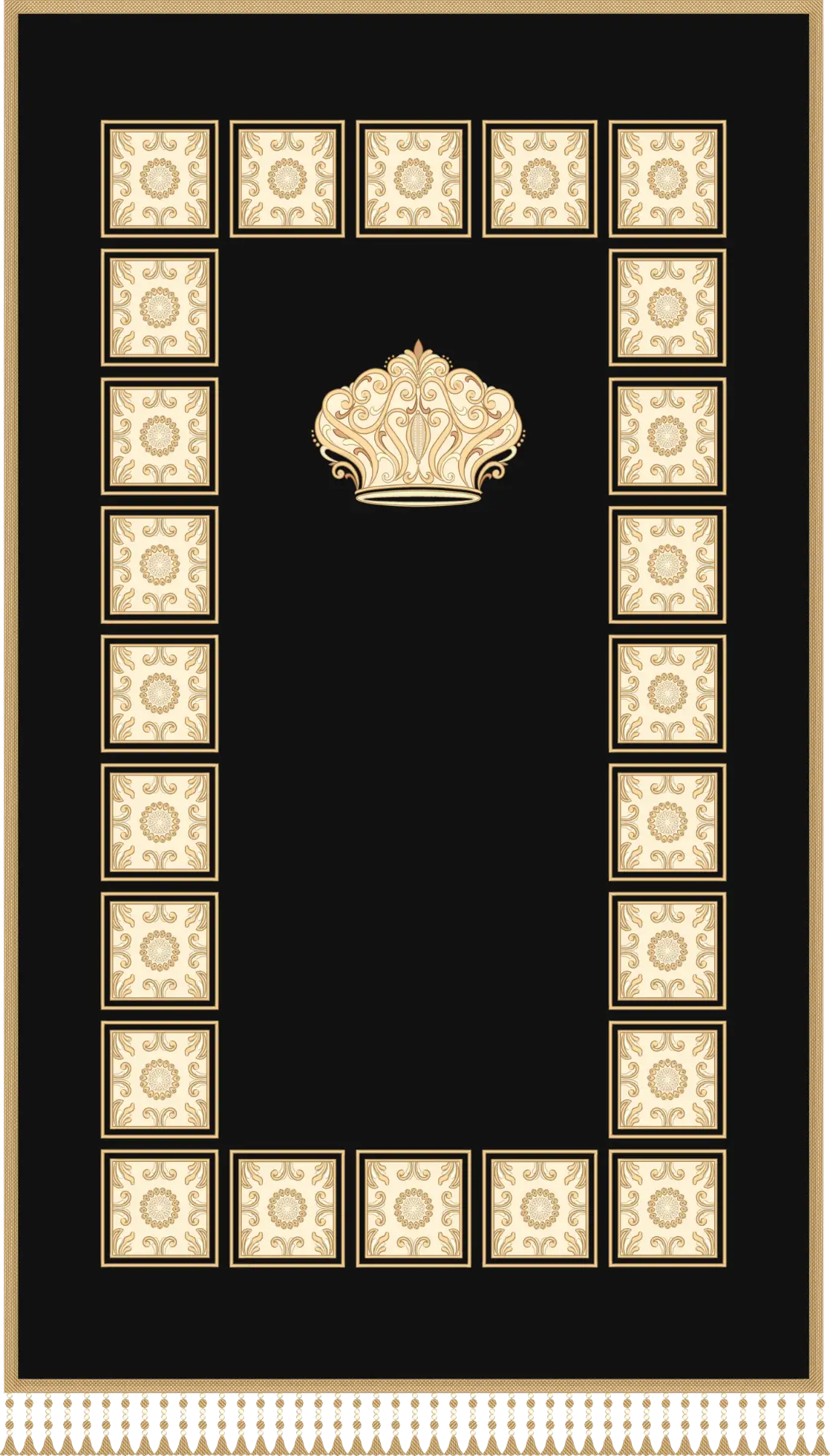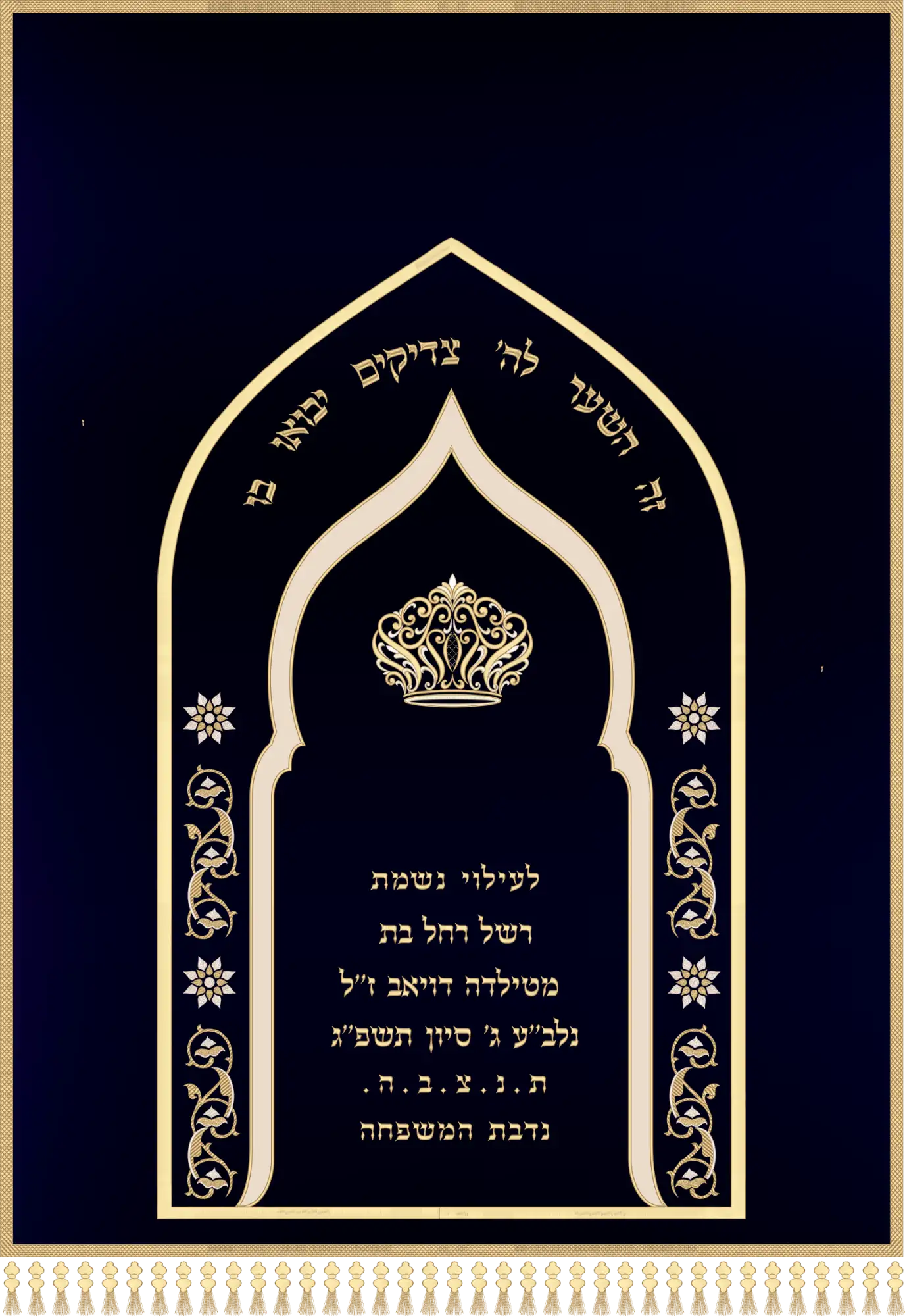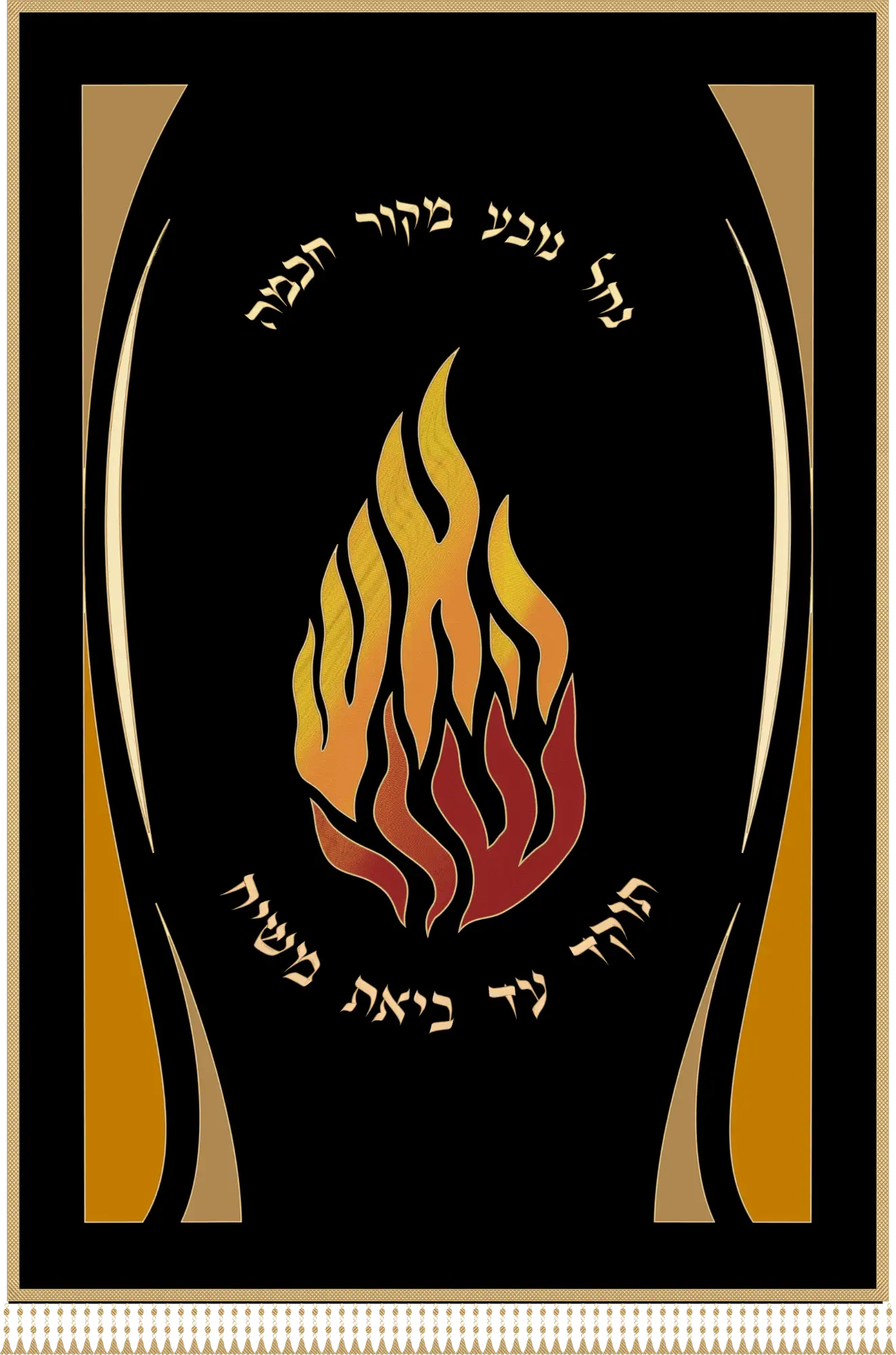

A מעיל לספר תורה ספרדי is the soft fabric covering used to dress a Torah scroll in those Sephardic communities whose custom is a wrapped mantle rather than a rigid case, protecting the parchment while honoring it with color, embroidery, and symbolic imagery. Not every Sephardic community dresses the scroll the same way – some wrap it in a soft mantle close in spirit to the Ashkenazi style, while others house it upright in a hard case known as a tik. Knowing the difference, and the motifs that typically appear on each, helps a family or congregation choose a covering that feels authentic to their own heritage.
In brief
- A מעיל לספר תורה ספרדי is a soft fabric mantle that wraps a Sephardic Torah scroll, often with an opening or seam that differs from the fully closed Ashkenazi cylinder.
- Many Sephardic communities instead keep the scroll upright inside a rigid case called a tik, so a soft mantle is more typical of Spanish-Portuguese, Moroccan, and related traditions.
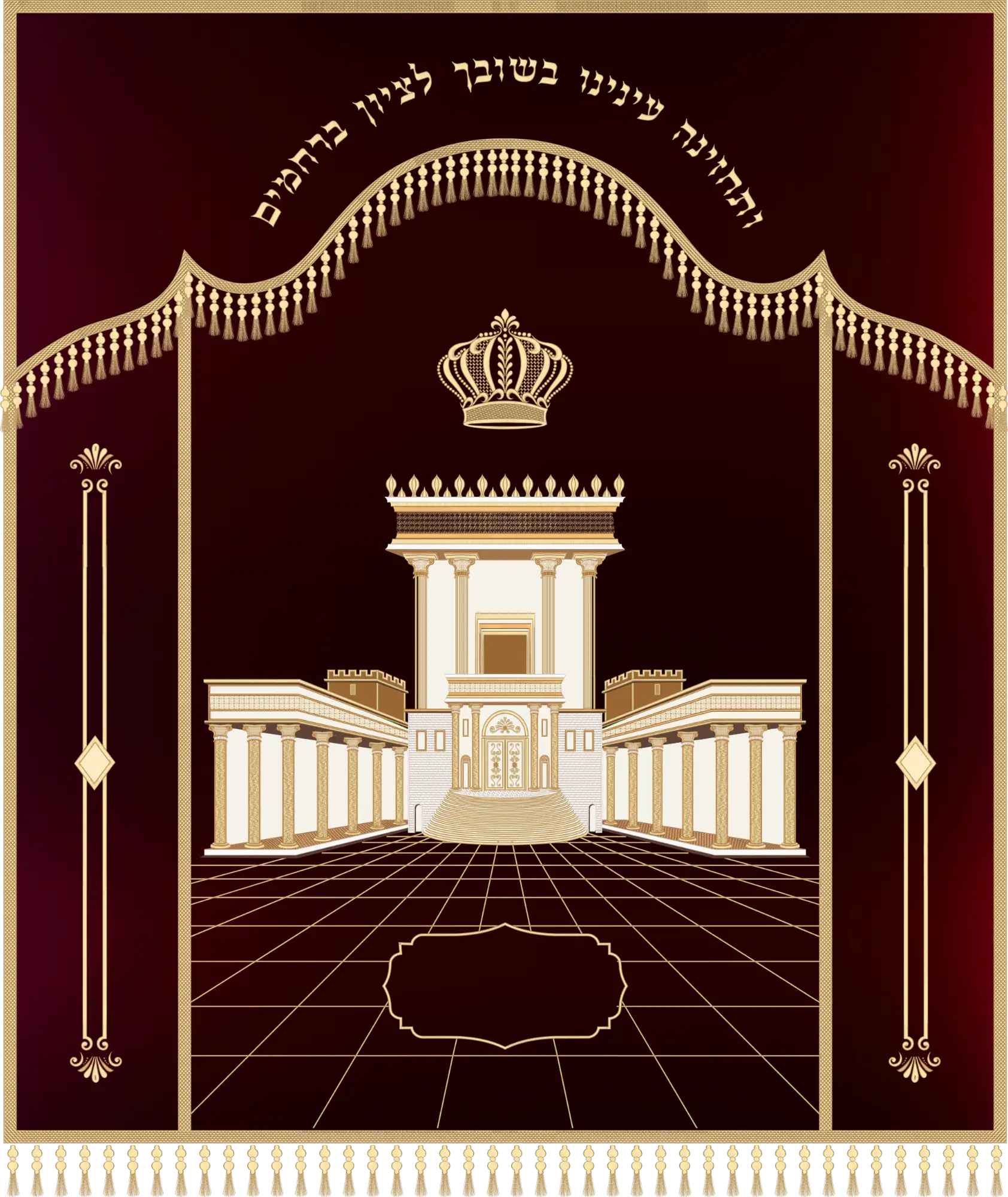
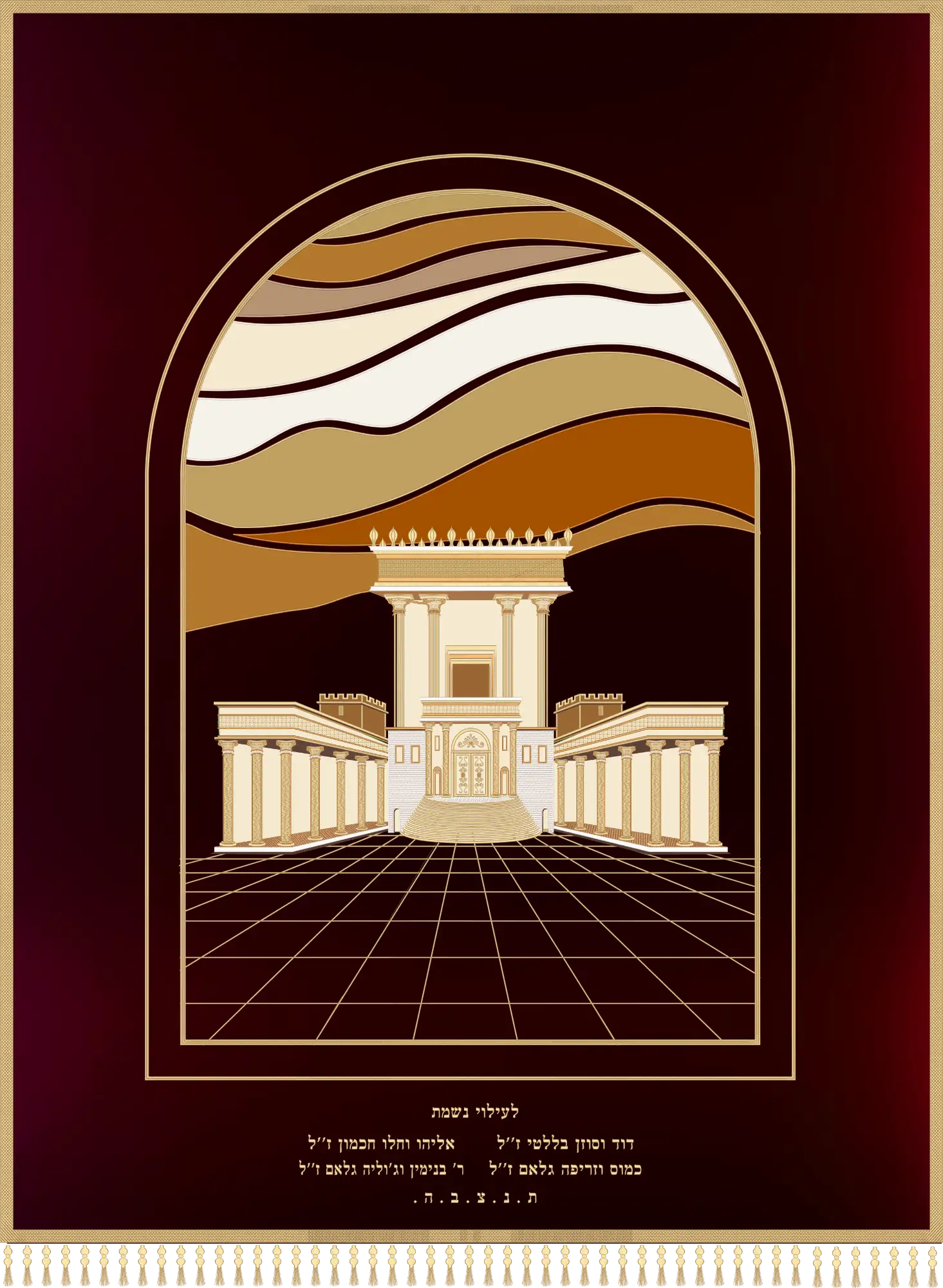
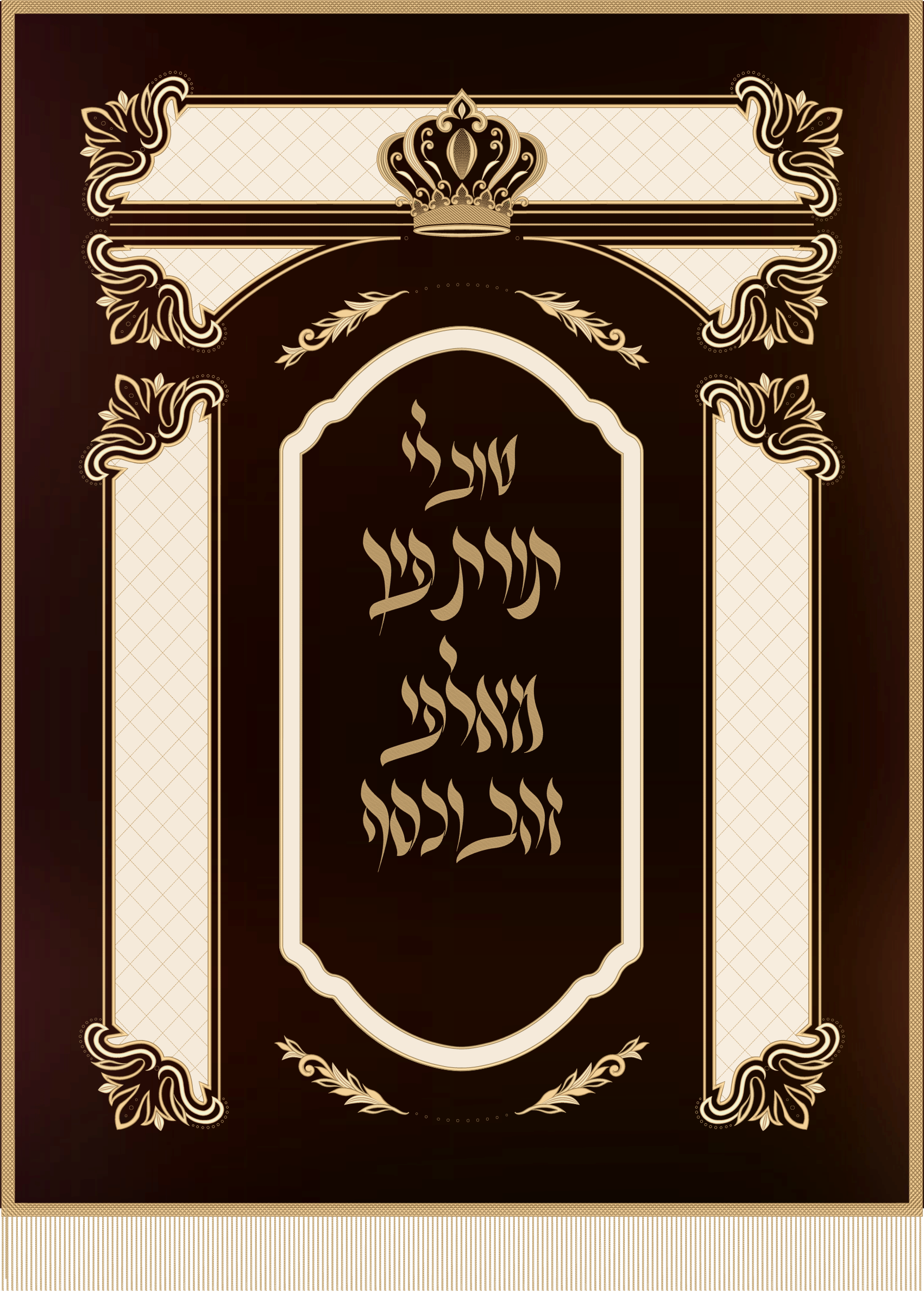
- Common motifs on a Sephardic Torah mantle include pomegranates, crowns, columns recalling the Temple, and Jerusalem imagery, usually embroidered in gold or silver thread on velvet or silk.
- Choosing a mantle means balancing fabric, color, and embroidery style with the scroll's own proportions so it drapes properly and can be handled comfortably during the service.
What Is a מעיל לספר תורה ספרדי?
A מעיל לספר תורה ספרדי is the textile cover specific to Sephardic custom that sheathes the Torah scroll's wooden rollers (atzei chaim) and parchment body in a protective layer of fabric. In communities that favor the soft mantle – most notably the Spanish-Portuguese ("Western Sephardic") tradition and several North African communities – the covering may open along the back or sides so the scroll can be lifted and read with minimal handling of the parchment itself. This differs from the Ashkenazi mantle, which is typically a closed cylinder lifted entirely over the scroll and removed in full before reading. Many other Sephardic and Mizrahi communities, including Iraqi, Syrian, and Persian congregations, do not use a soft mantle at all; instead the scroll stands upright inside a decorated wooden or metal case, opened like a book for the reading. Both approaches express the same reverence for the Torah through different textile traditions. For background on the scroll itself and how it is traditionally dressed, the overview at Wikipedia's entry on the Sefer Torah is a useful starting point.
Mantle or Tik: Comparing Torah Scroll Coverings
The table below is a simplified comparison of the main approaches to covering a Torah scroll, since the terminology can otherwise be confusing for anyone shopping for a new covering.
| Covering Type | Scroll Position | Typical Communities | Typical Material |
|---|---|---|---|
| Soft Mantle (מעיל) | Wrapped, often opened partially for reading | Spanish-Portuguese, Moroccan, some Sephardic congregations | Velvet, silk, embroidered fabric |
| Rigid Case (Tik) | Stands upright, opened like a book | Iraqi, Syrian, Persian, and other Sephardic/Mizrahi communities | Wood, metal, lacquer, fabric panels |
| Ashkenazi Mantle | Fully removed before reading | Ashkenazi communities | Velvet or silk, closed cylinder |
Symbols and Embroidery on a Sephardic Torah Mantle
The embroidery on a מעיל לספר תורה ספרדי usually draws on a shared visual language that also appears on the parochet hanging before the ark. Among the motifs most often seen are:
- Pomegranates (rimonim), symbolizing the abundance of mitzvot;
- Crowns, representing the "crown of Torah";
- Columns echoing the Temple's pillars, Jachin and Boaz;
- Jerusalem skylines or the Western Wall, as a gesture of longing toward the holy city;
- Tree of Life imagery, linking the Torah to the verse describing it as "a tree of life to those who grasp it."
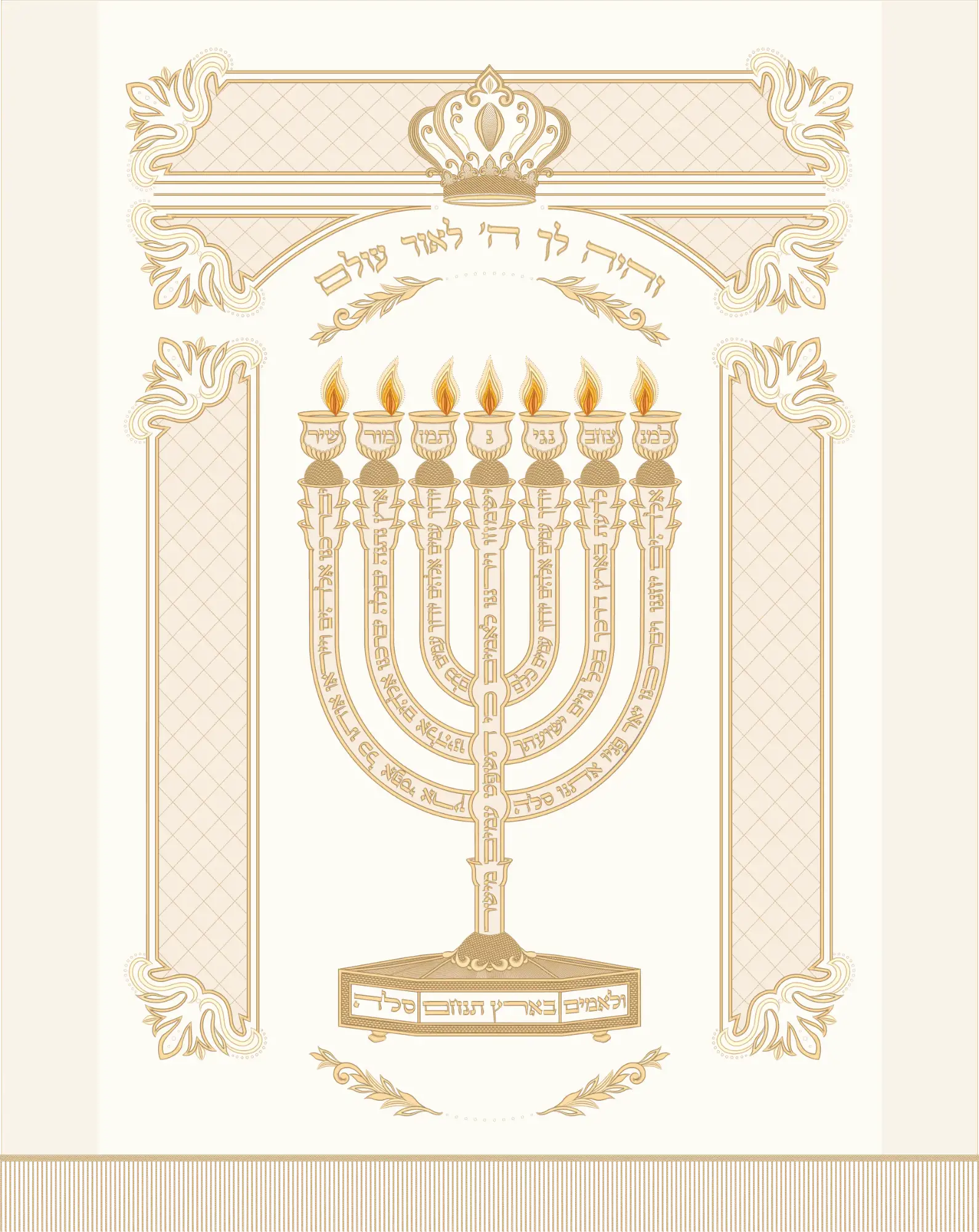
Because these same symbols recur throughout synagogue textiles, many communities like to coordinate the mantle with the curtain behind the ark. Hichala (היכלא), a hand-embroidery workshop focused on synagogue textiles, works with several of these same motifs – the crown appears in pieces like this crowned parochet design, and the Twelve Tribes theme appears in a curtain combining the tribes with a menorah. Browsing our gallery of parochot can help spark ideas even when the final piece being commissioned is a Torah mantle rather than an ark curtain.
Choosing Fabric and Color for a מעיל לספר תורה ספרדי
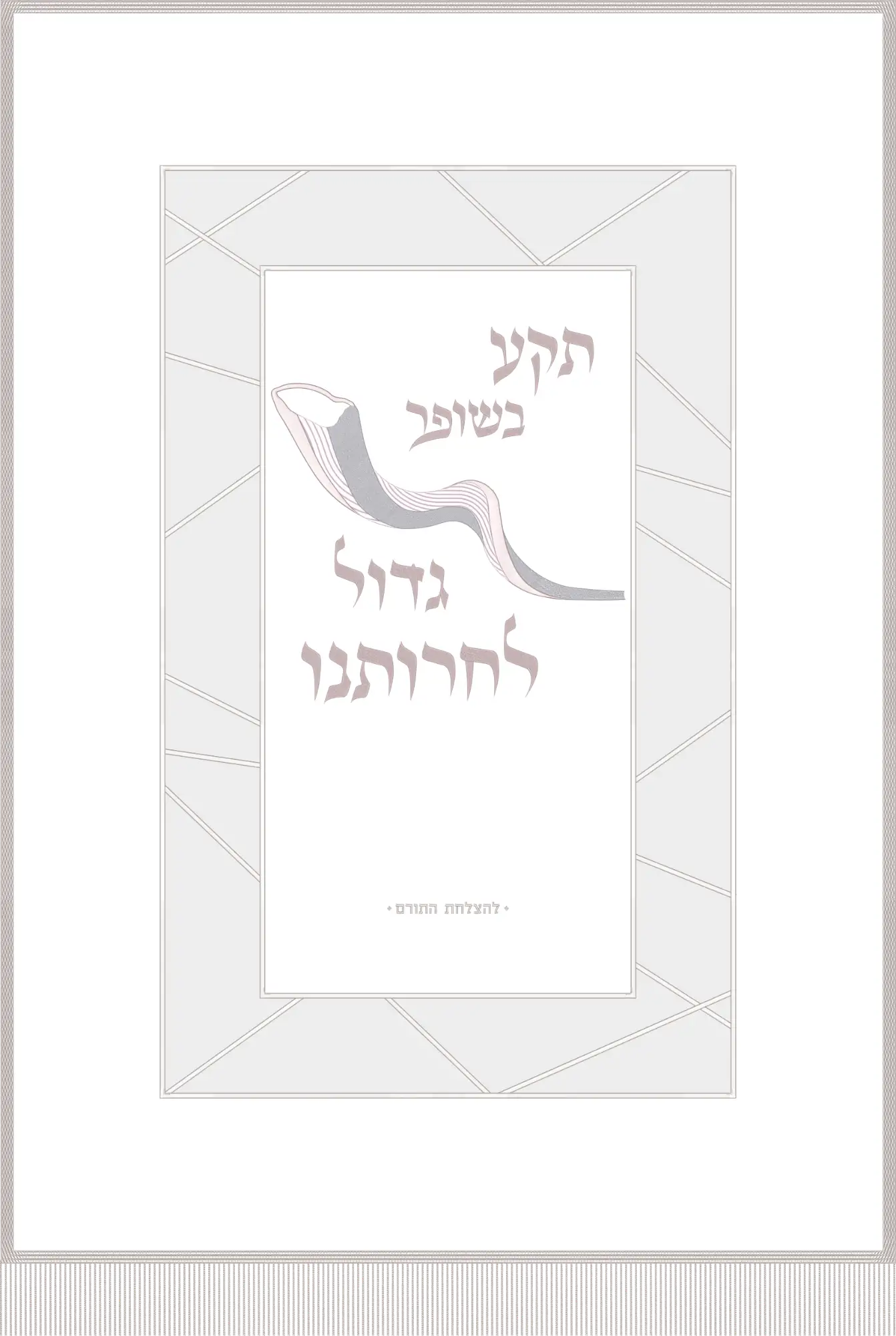
Choosing fabric and color for a מעיל לספר תורה ספרדי starts with the scroll's own size, since the mantle must sit comfortably over the rollers without straining the seams or obscuring the handles. Velvet is favored for its weight and the way it holds raised embroidery, while silk and silk-blend fabrics offer a lighter drape that some communities prefer for smaller scrolls. Color conventions vary by community and occasion: deep red, burgundy, and royal blue are common for the year-round mantle, while white is widely used for the High Holidays. A good lining matters as much as the outer fabric, since it protects the parchment from friction and should be soft and breathable. Whether the embroidery is hand-stitched or machine-made will also affect how crisp the motifs look up close and how the piece ages over years of use.
Caring for and Preserving the Mantle
A hand-embroidered mantle deserves the same care given to any treasured synagogue textile:
- Store the scroll in a dry, stable environment, away from direct sunlight that can fade embroidery threads over time.
- Handle the mantle by its sturdy sections rather than pulling on embroidered areas or metallic thread.
- Have any deep cleaning or repair done by someone experienced with antique or hand-embroidered textiles rather than a standard cleaner.
- Rotate mantles for festivals if the community owns more than one, so no single piece bears constant wear.
Frequently Asked Questions
Is a מעיל לספר תורה ספרדי the same as a tik?
No – a mantle is a soft fabric covering, while a tik is a rigid wooden or metal case; different Sephardic communities traditionally use one or the other according to their regional custom.
What colors are traditional for a Sephardic Torah mantle?
Rich tones such as deep red, burgundy, and royal blue are common for everyday use, with white frequently reserved for the High Holidays, though exact conventions vary from community to community.
Can a Sephardic Torah mantle be custom embroidered?
Yes – many families and congregations commission a custom-embroidered mantle featuring motifs like pomegranates, crowns, or Jerusalem imagery, sometimes with a dedication in memory of a loved one, much like custom parochot.
Whether a community keeps its scroll in a rigid tik or dresses it in a flowing mantle, the מעיל לספר תורה ספרדי remains a meaningful expression of how each Sephardic tradition chooses to honor the Torah. Taking the time to understand these customs – and the fabrics, colors, and motifs behind them – makes it easier to select or commission a covering that feels both beautiful and true to its community's heritage.