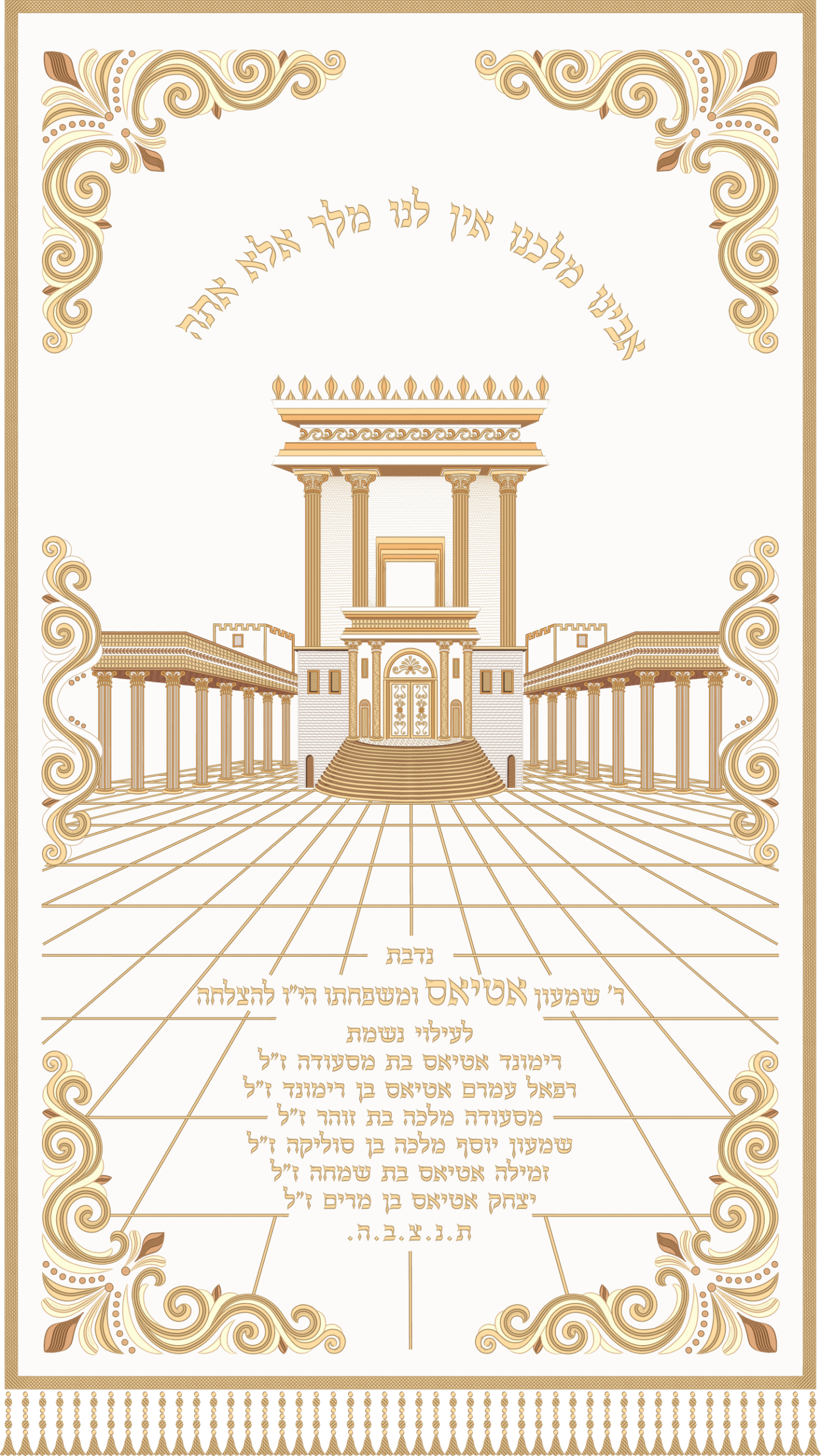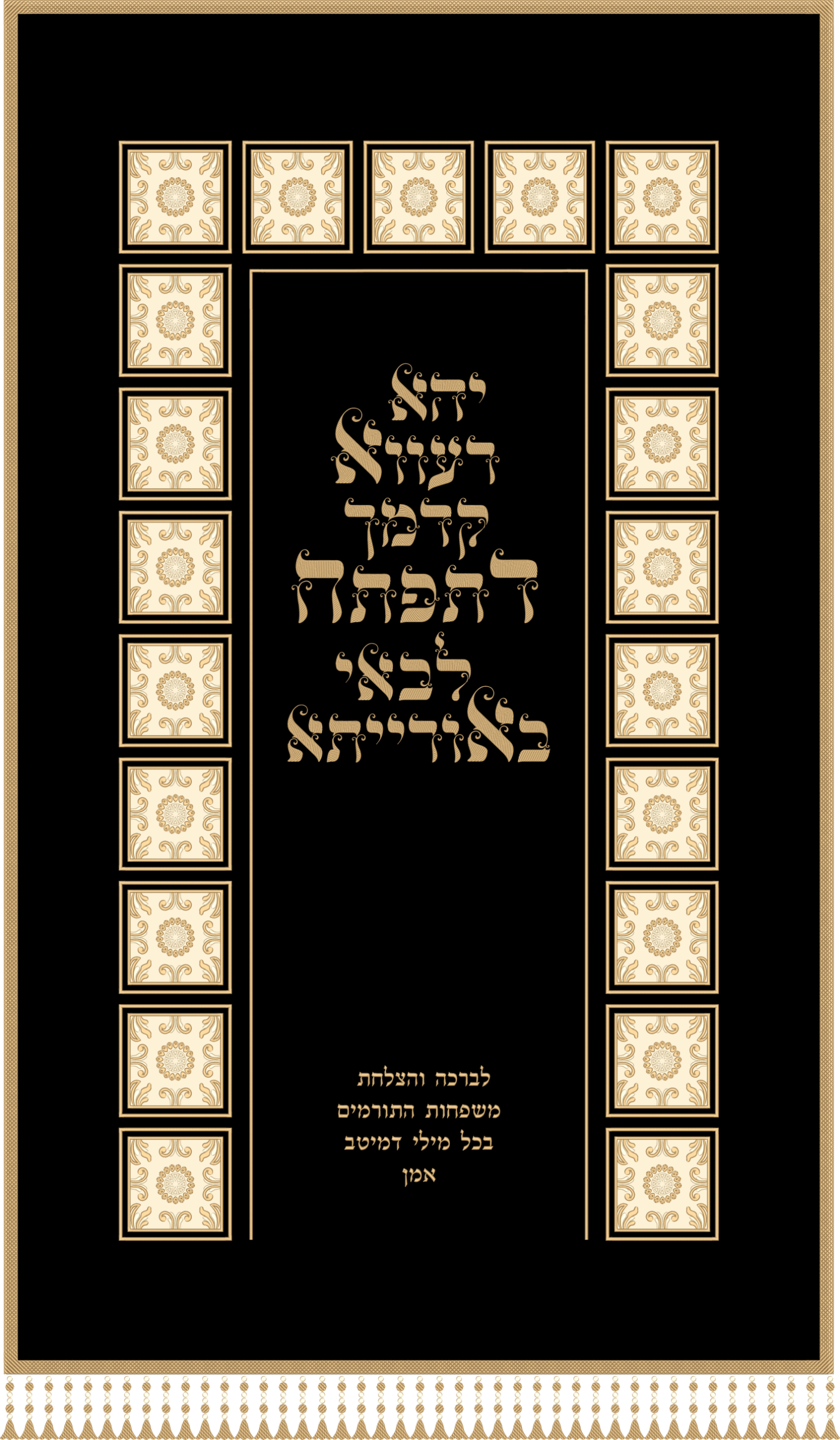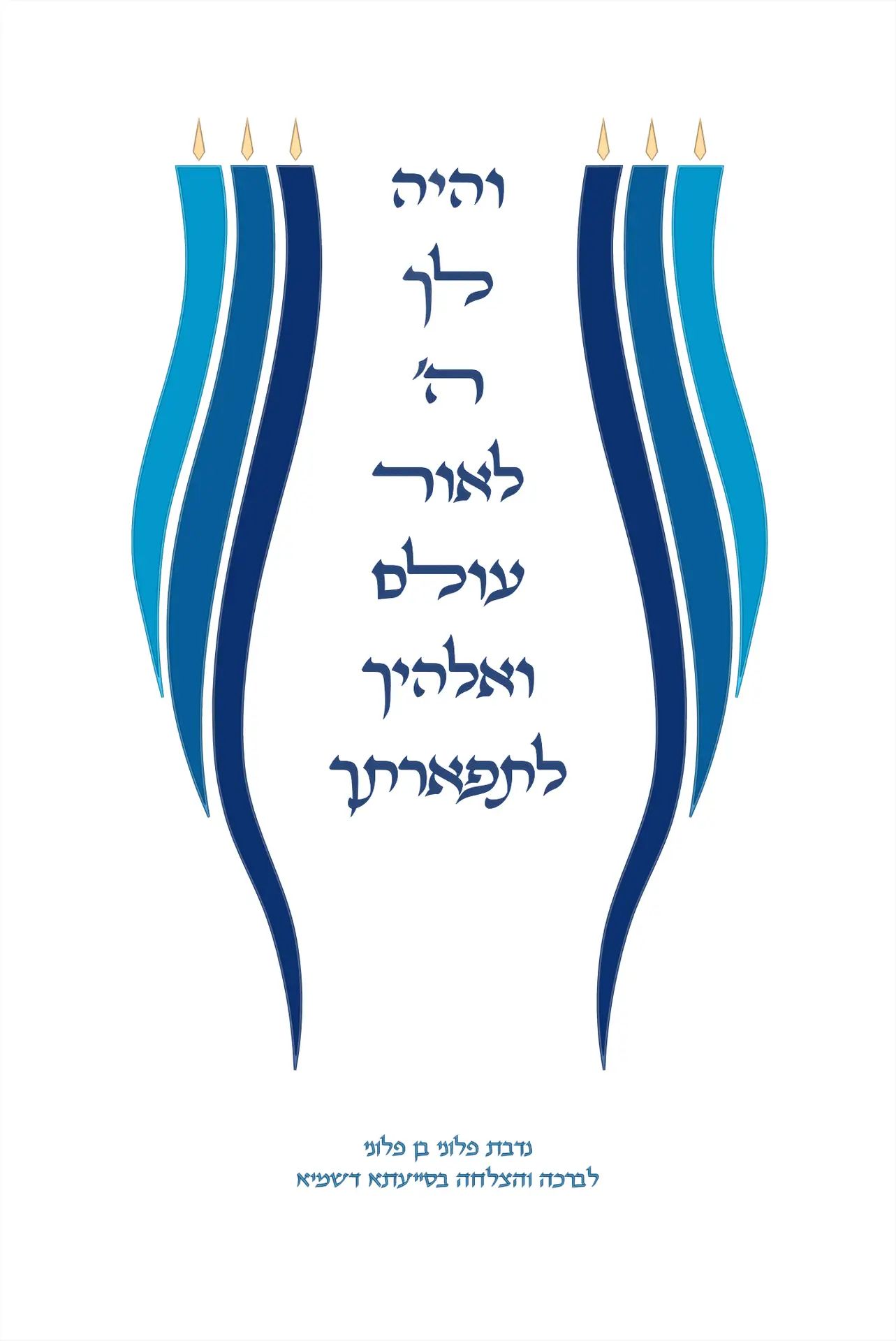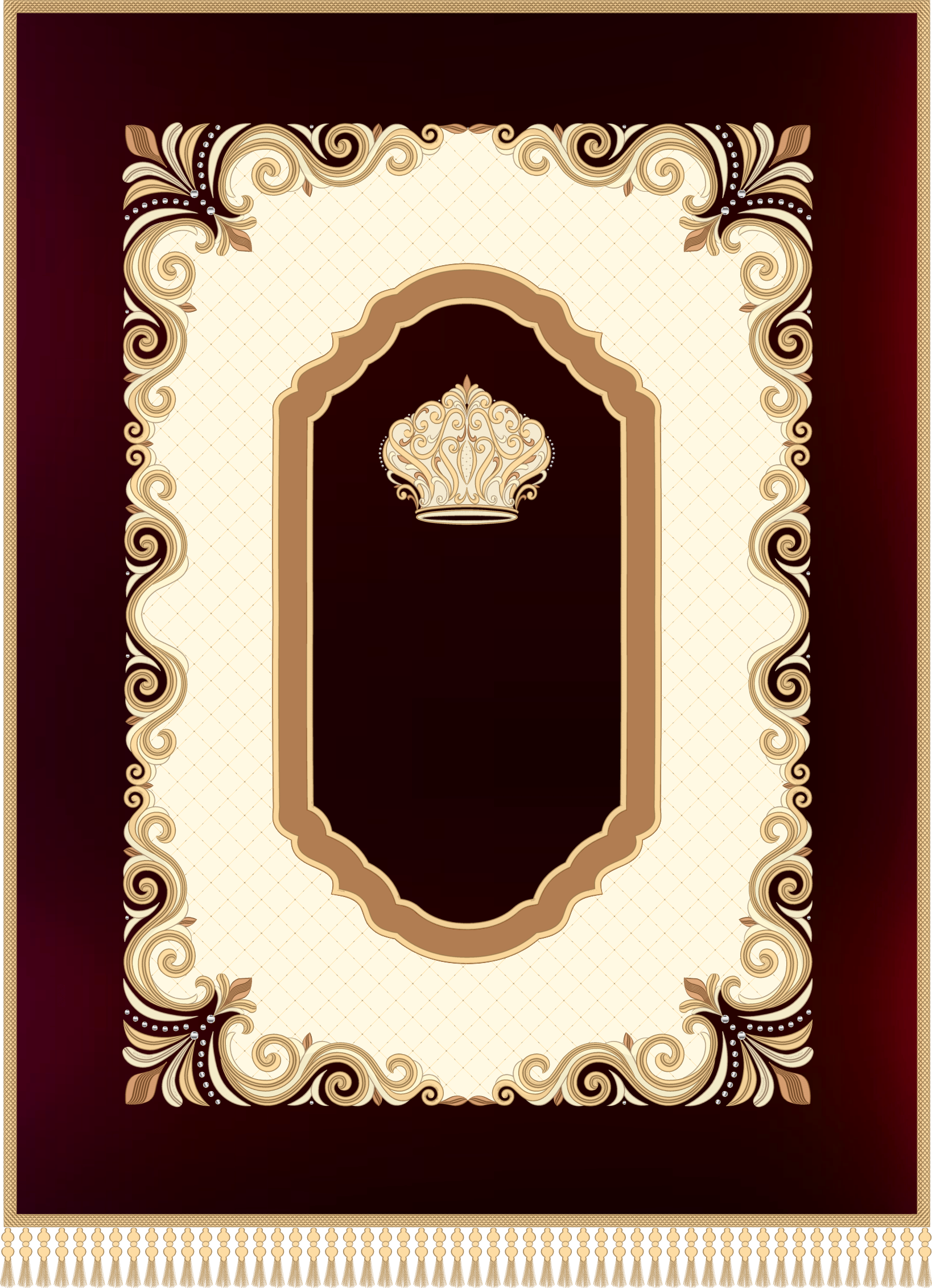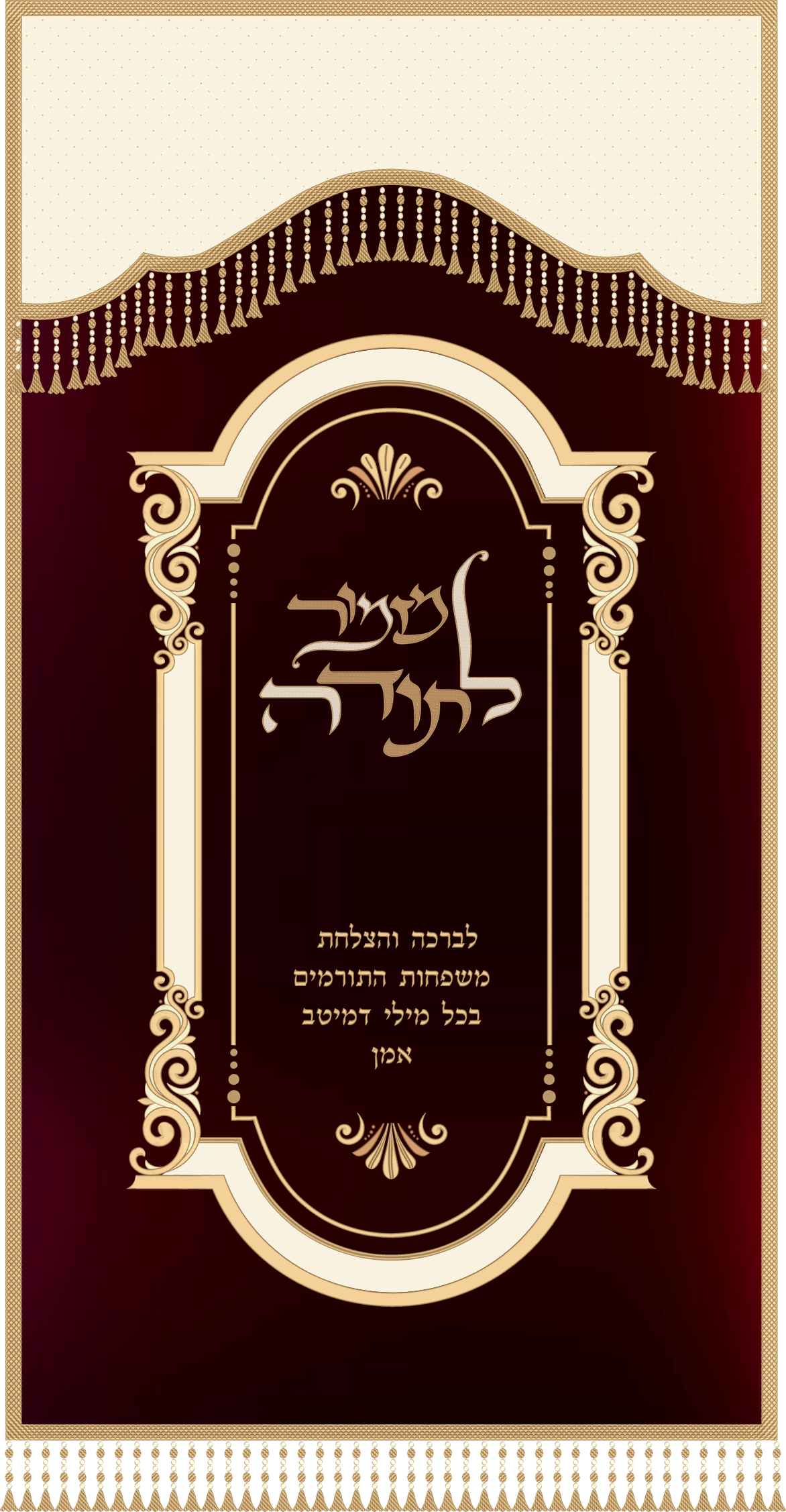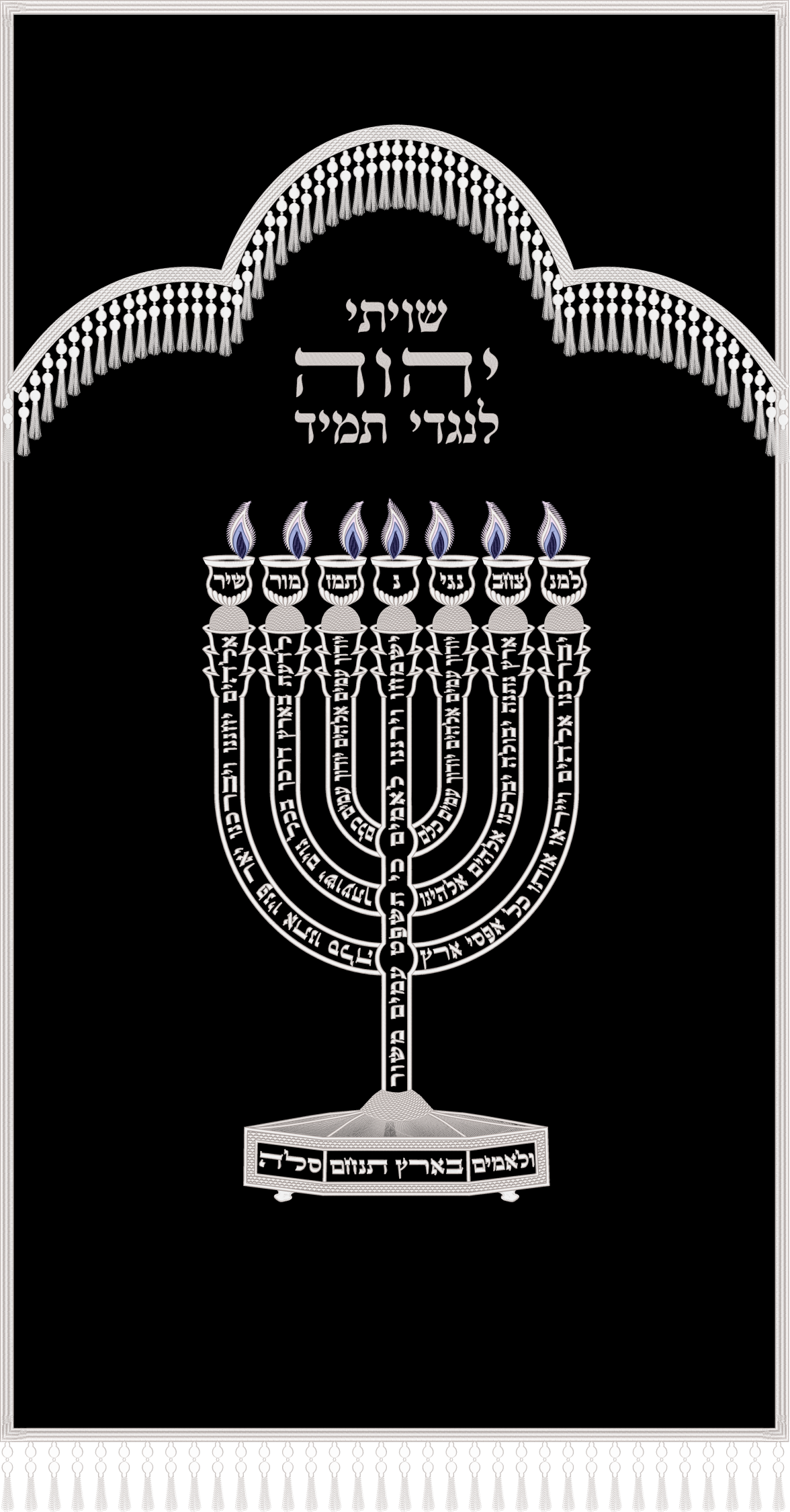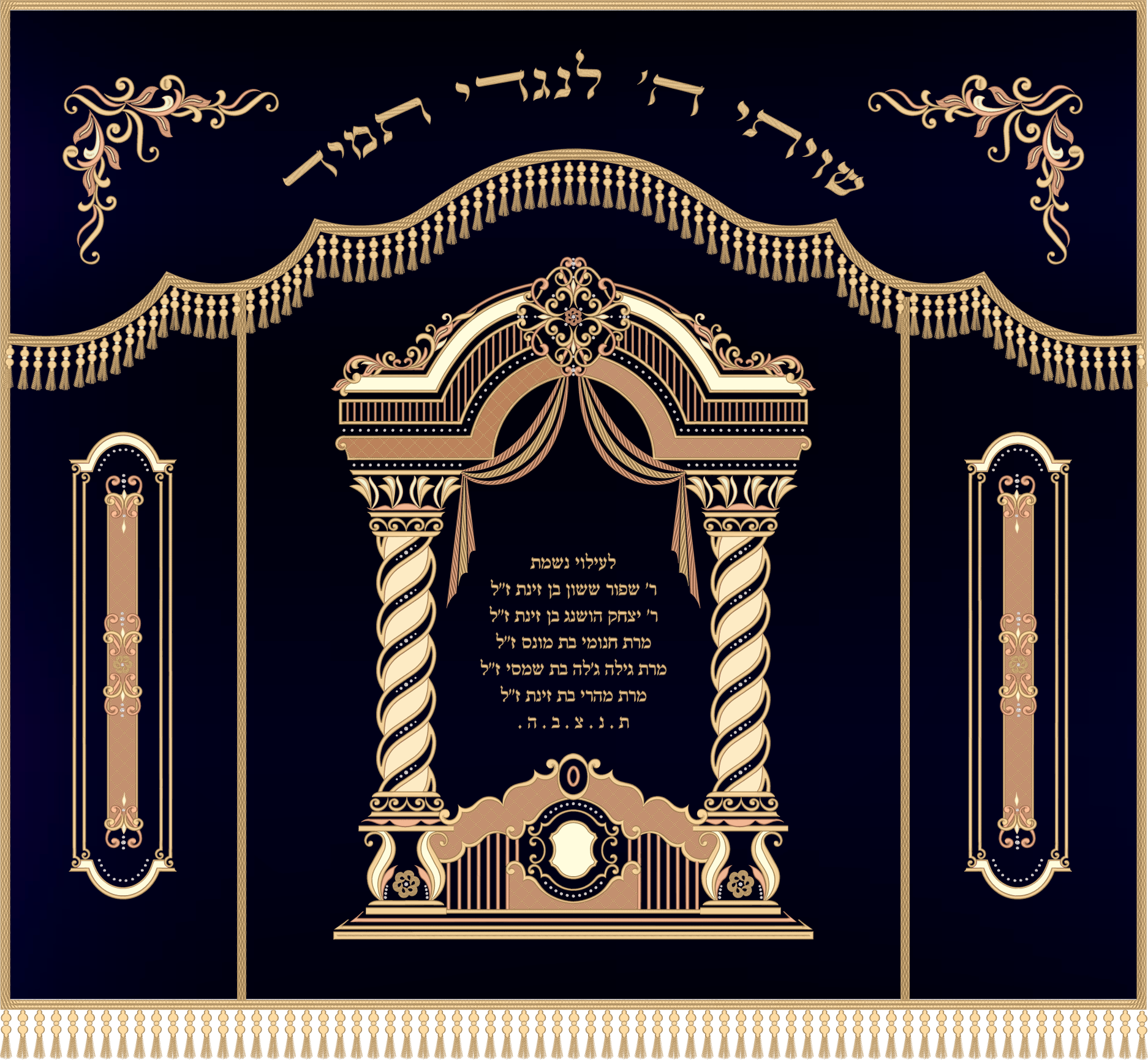

מה זה פרוכת? A parochet is the embroidered curtain that hangs in front of, or inside, the Holy Ark (Aron Kodesh) in a synagogue, covering and honoring the Torah scrolls kept within it. Far from a plain drape, it is traditionally hand-stitched with meaningful symbols and rich fabric, turning a simple curtain into a focal point of beauty and devotion. Understanding מה זה פרוכת helps explain why this single textile so often becomes the visual heart of a synagogue's sanctuary.
In brief
- A parochet is the decorative curtain that covers or stands before the Holy Ark where the Torah scrolls are kept.
- Its name and role recall the curtain that once separated the Holy of Holies in the Mishkan and the Temple in Jerusalem.
- Parochot are typically hand-embroidered with symbols such as the Tablets of the Covenant, crowns, menorahs, or lions.
- Many communities keep more than one parochet, switching to festive designs for Shabbat and the holidays.
מה זה פרוכת – Tracing the Meaning of the Ark Curtain
מה זה פרוכת, put simply, is the answer to what covers and dignifies the Torah scrolls resting inside a synagogue's Ark. The Hebrew word parochet shares a root with words meaning "to divide" or "curtain," and it is the very same term the Torah uses for the curtain that separated the Holy of Holies from the rest of the Tabernacle. Carrying that name into the synagogue was a deliberate choice: it links the Ark at the front of every sanctuary, however modest, to the holiest space our ancestors ever built.
From the Temple Curtain to the Synagogue Ark
The parochet's roots are described in the Torah's account of the Mishkan, where a woven curtain shielded the Ark of the Covenant from view. You can read more about this architectural and spiritual lineage in the Torah ark entry on Wikipedia. After the Temple's destruction, communities carried the idea forward: every synagogue Ark, no matter its size, is dressed with its own curtain as a quiet echo of that ancient, sacred boundary.
What a Parochet Is Made Of
A parochet is usually sewn from fabrics chosen for both beauty and durability, since it hangs in daily view and is handled often. Velvet and silk remain the most traditional choices, sometimes combined with metallic thread, appliqué, or leather accents for extra texture.
| Fabric | Typical Character |
|---|---|
| Velvet | Deep color, plush texture, classic synagogue look |
| Silk | Light, lustrous, often used for finer embroidery detail |
| Combined fabrics | Layer different textures for contrast and dimension |
Symbols Commonly Found on a Parochet
Most parochot carry embroidered imagery drawn from Jewish tradition, each element adding its own layer of meaning. Among the most common are:
- The Tablets of the Covenant, recalling the giving of the Torah at Sinai.
- A royal crown, representing the "crown of Torah" placed above the Ark.
- A menorah, echoing the Temple's golden lampstand and its light.
- Lions, columns, or gates, each adding its own note of majesty and welcome.
Where You'll See a Parochet Today
A parochet hangs at the front of nearly every synagogue sanctuary, draped over or set inside the doors of the Ark. Many congregations keep several, rotating a festive white or gold design in for the High Holidays and returning to an everyday curtain the rest of the year. You can browse our gallery of parochot to see how varied this single tradition can look from one community to the next.
Caring for and Choosing Your Own Parochet
Choosing a parochet is as much about the community it will serve as about the fabric itself – size, color, and symbolism should all reflect the character of the sanctuary and the people who pray there. At Hichala (היכלא), each curtain is hand-embroidered rather than mass-produced, so a congregation or family can request symbols, verses, or a dedication that are meaningful to them.
Frequently Asked Questions
מה זה פרוכת, exactly?
מה זה פרוכת comes down to one idea: it is the embroidered curtain that covers or stands before the Holy Ark, honoring the Torah scrolls kept inside.
Is a parochet required by Jewish law?
Dressing the Ark with a parochet is a widespread and deeply rooted custom rather than a fixed legal requirement, and congregations are generally free to choose a design that suits their own community's tradition.
Can a parochet be personalized?
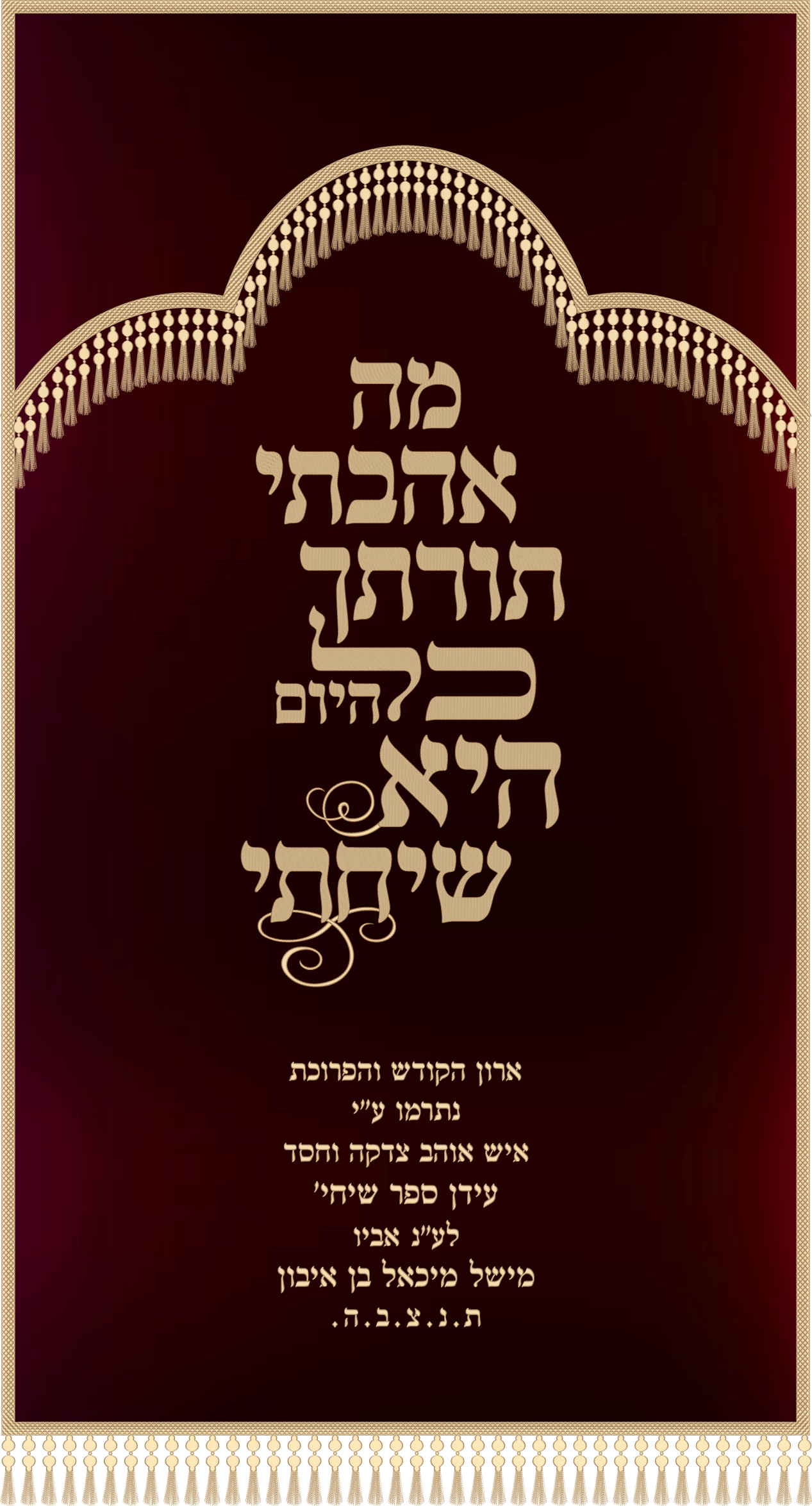
Yes – many parochot are embroidered with a dedication, a memorial inscription, or symbols chosen by the family or congregation commissioning them.
In the end, מה זה פרוכת is more than a technical question about synagogue furnishings – it points to a living thread of memory and honor that connects a modern sanctuary to the Ark of the Covenant itself.